Masterclass
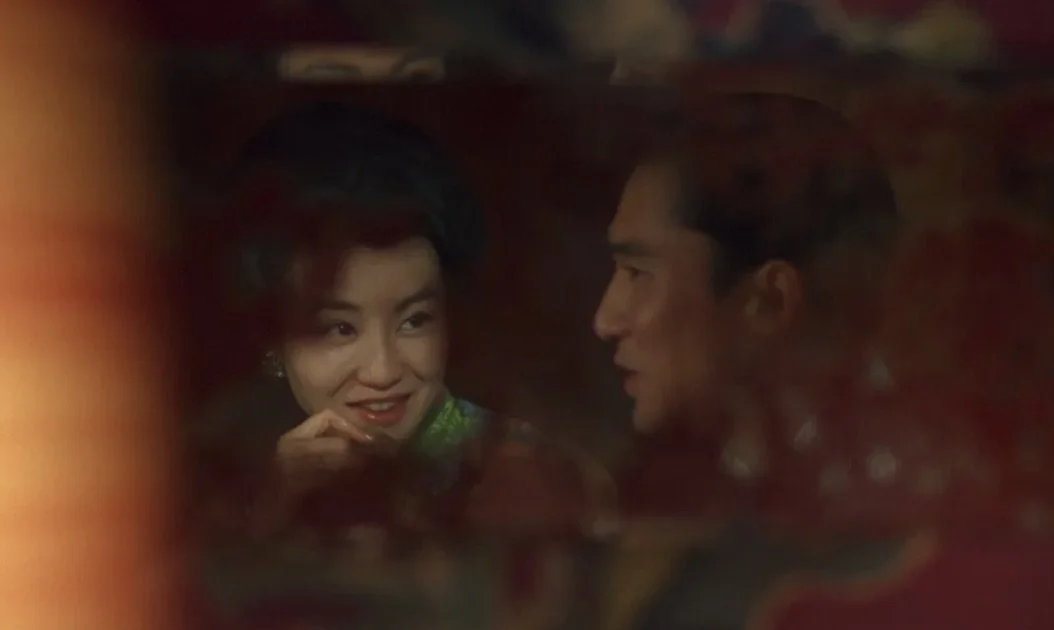
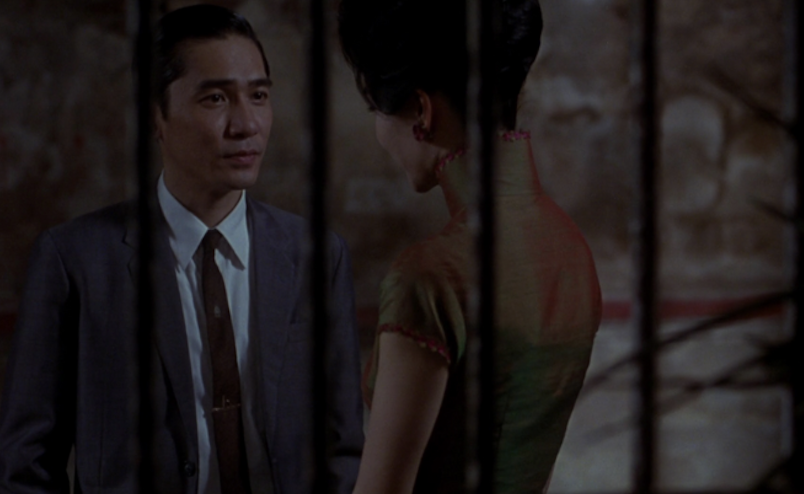
“In the Mood for Love,” directed by Wong Kar-wai, isn’t merely a film; it’s a masterclass in restraint told through the most exquisite and devastating details. Set in 1962 Hong Kong, this slow-burning chamber piece follows Mr. Chow (Tony Leung), a newspaper journalist, and Mrs. Su Li-zhen (Maggie Cheung), a secretary at a shipping company, who move into neighboring apartments on the exact same day.
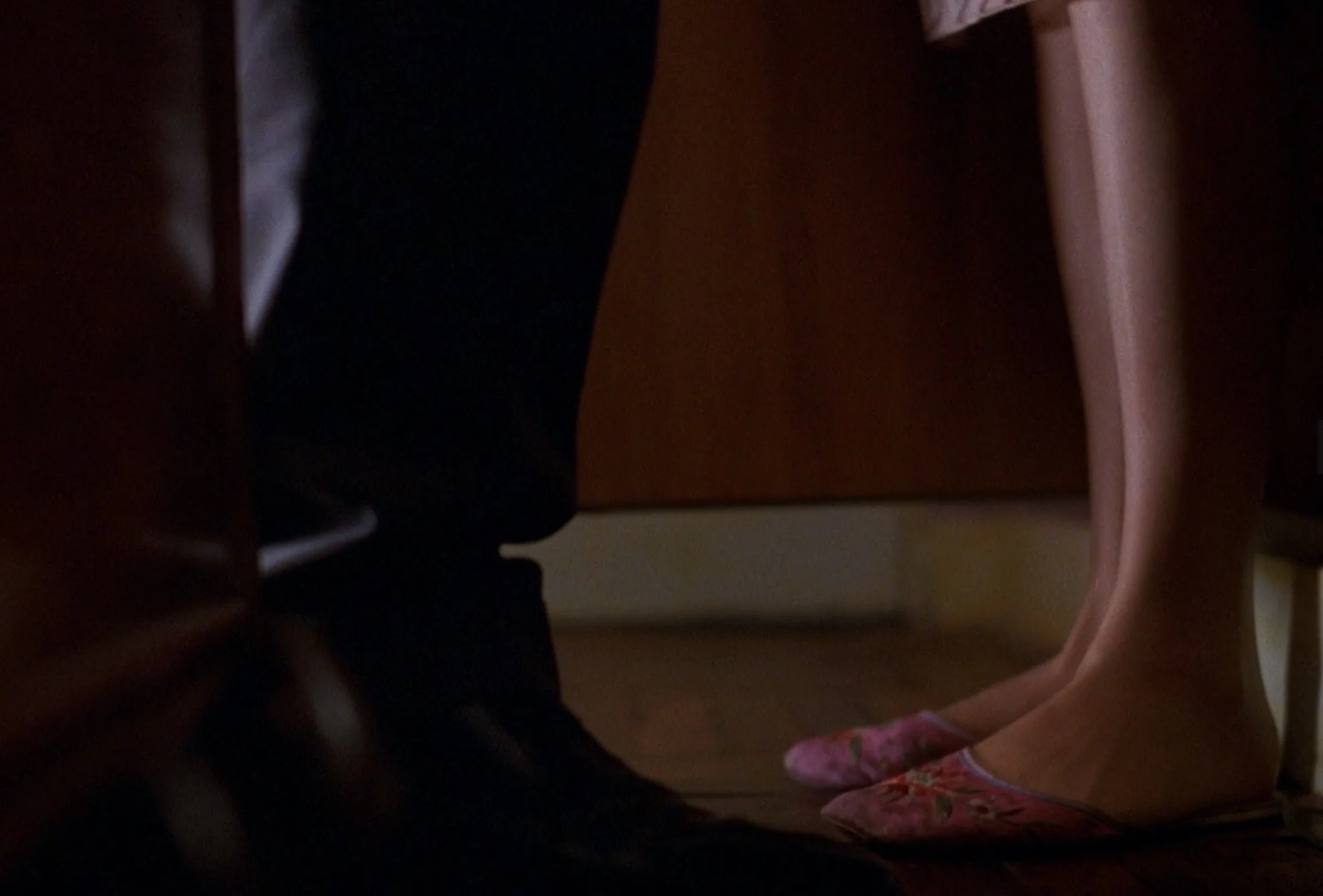
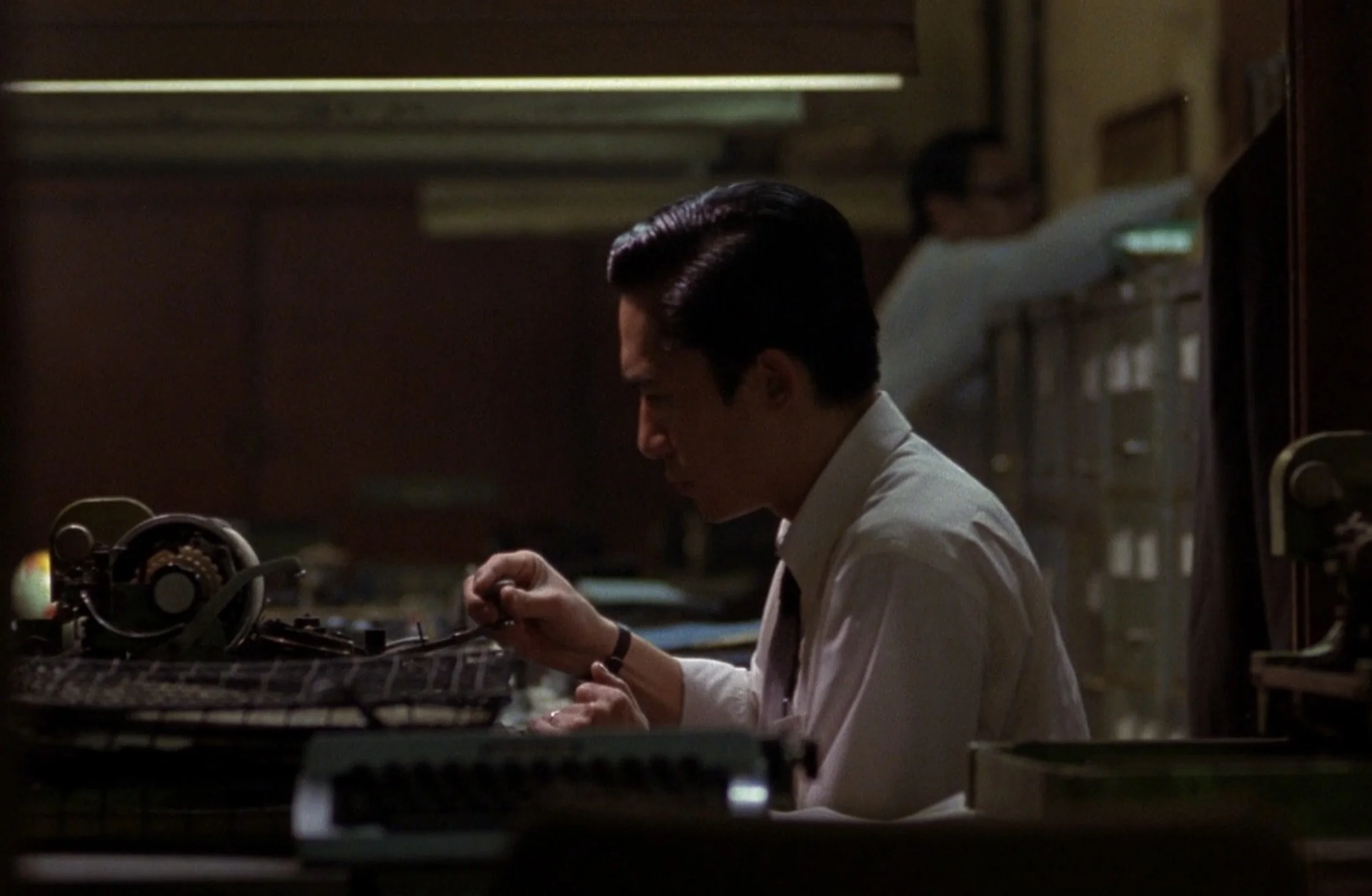
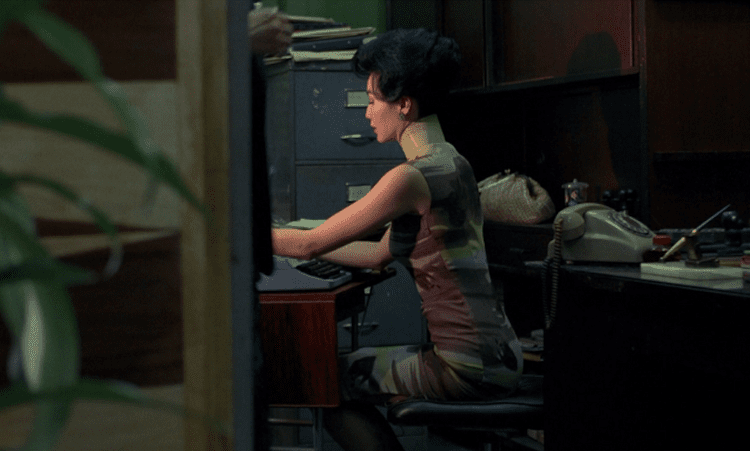
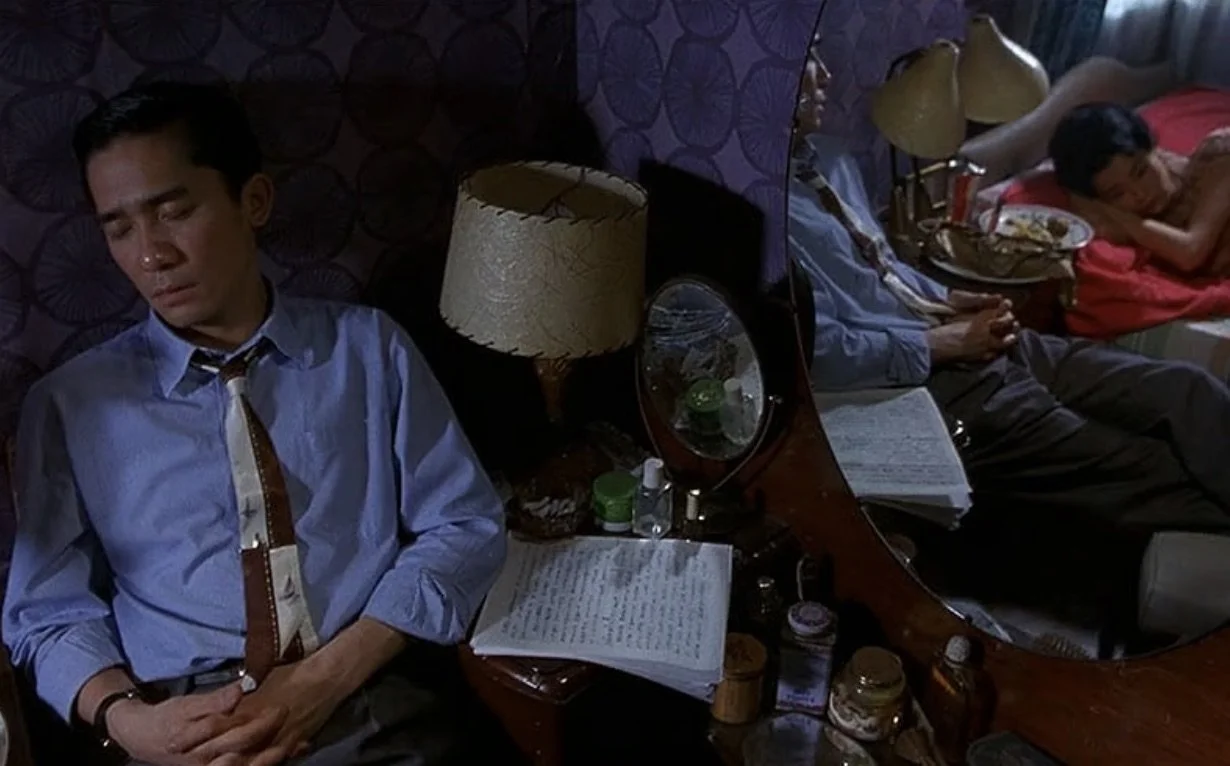
Their spouses are often absent—always working late, always just out of frame—and it isn't long before a quiet suspicion begins to bloom: his wife and her husband may be having an affair with each other. Drawn together by shared betrayal, Chow and Su forge a fragile intimacy, playing out heartbreak like a performance while never allowing themselves to fall completely into each other.
Domestic Architecture As Drama
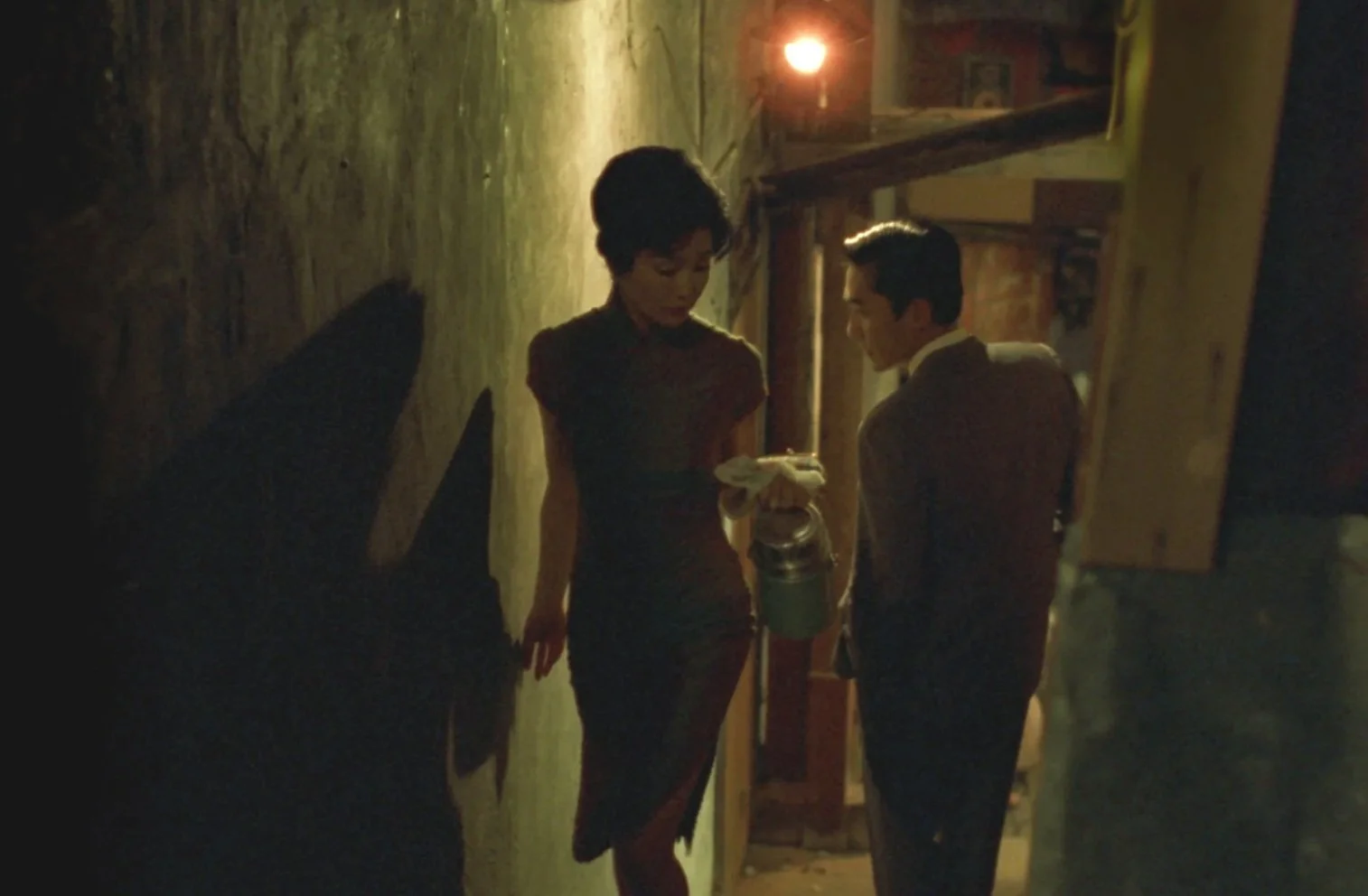
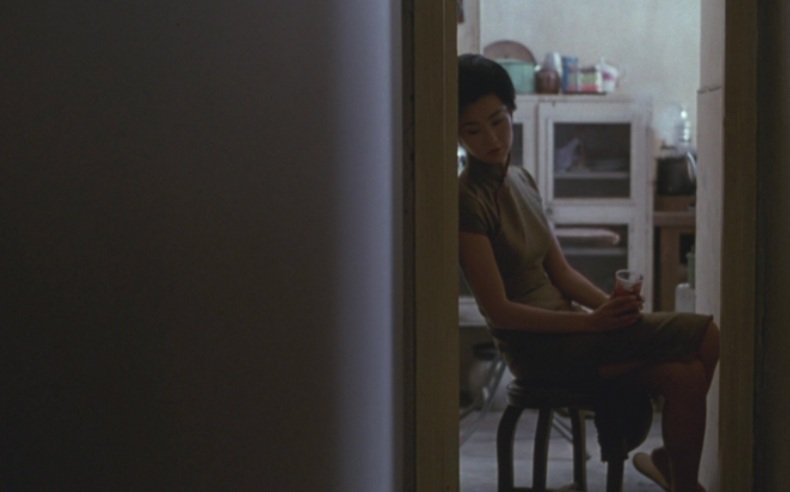
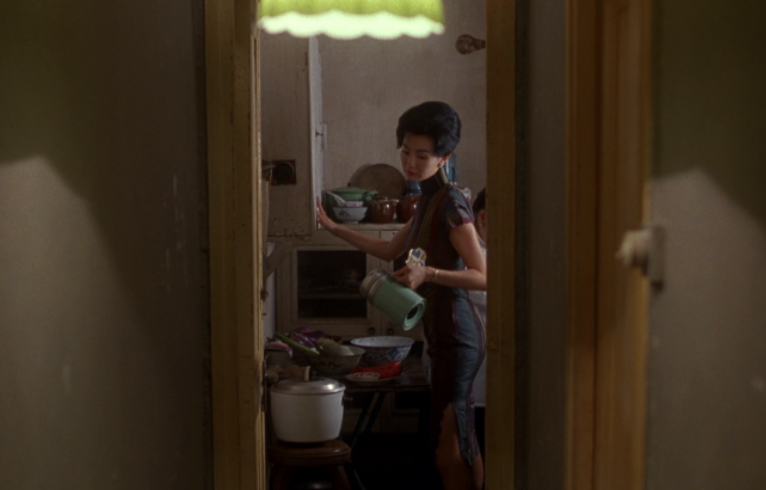
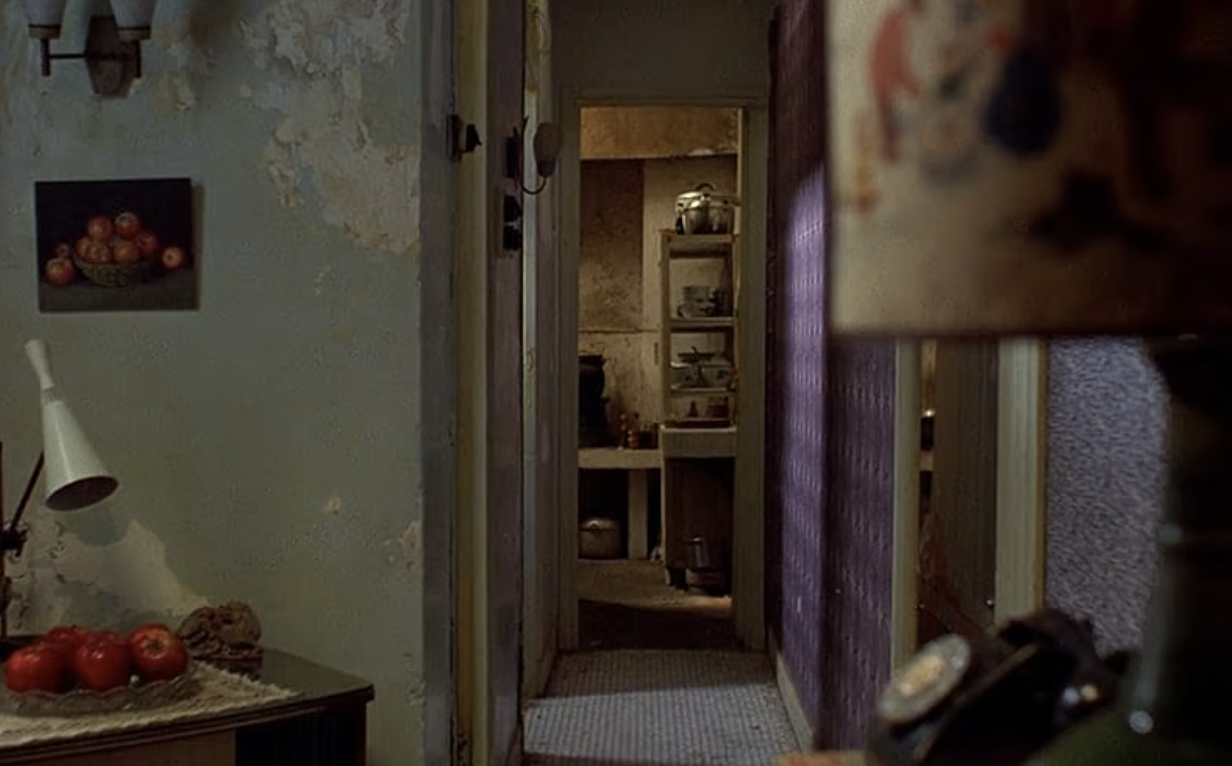
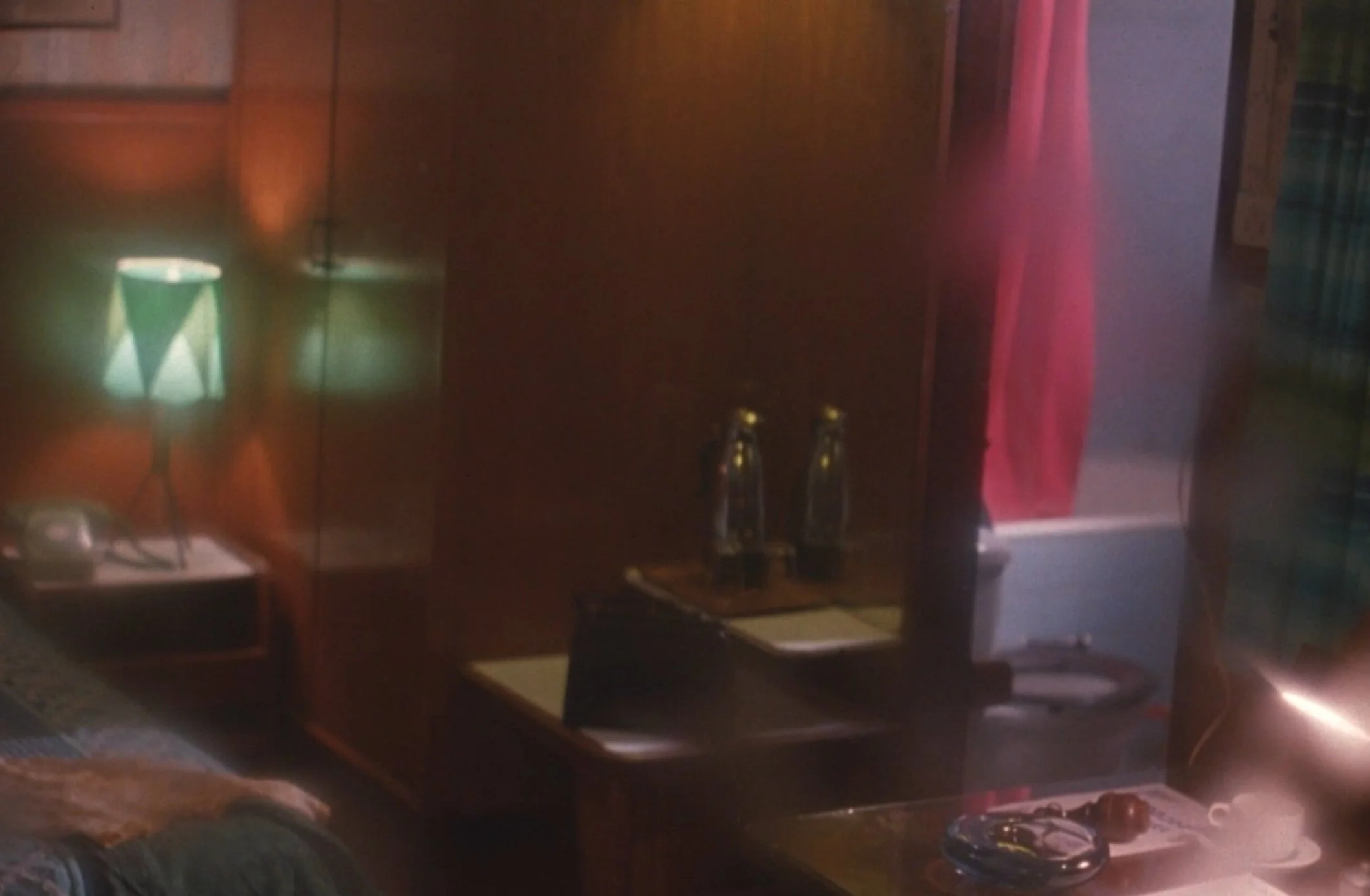
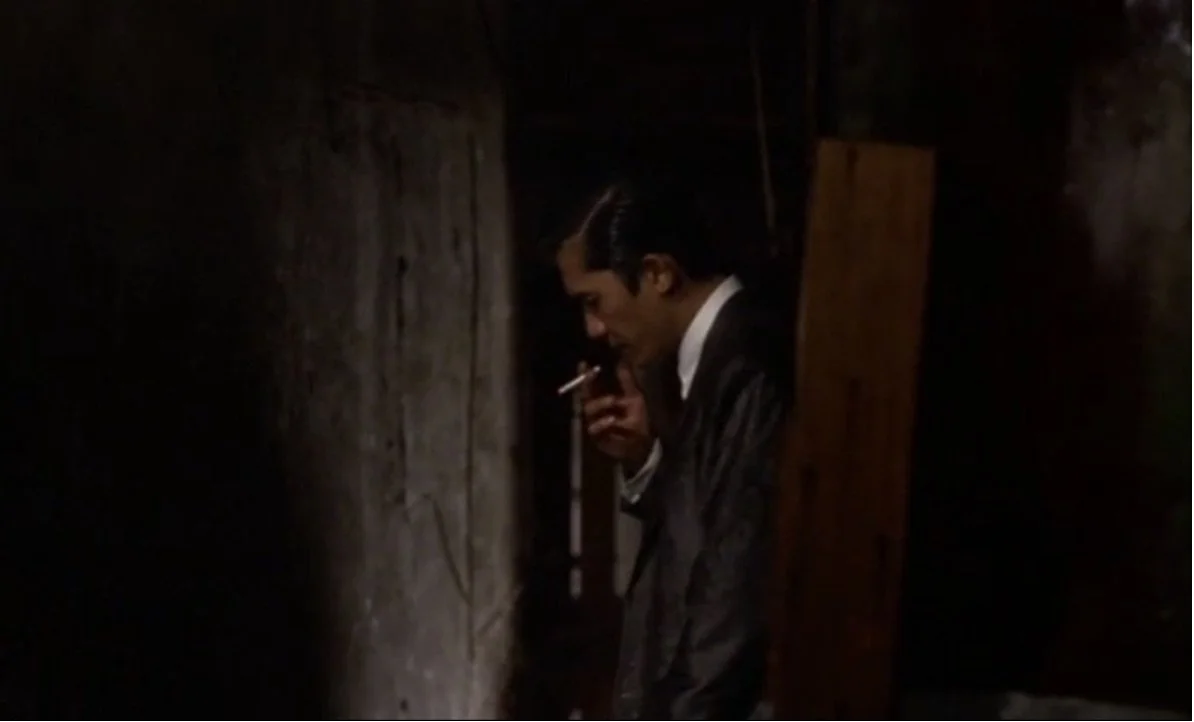
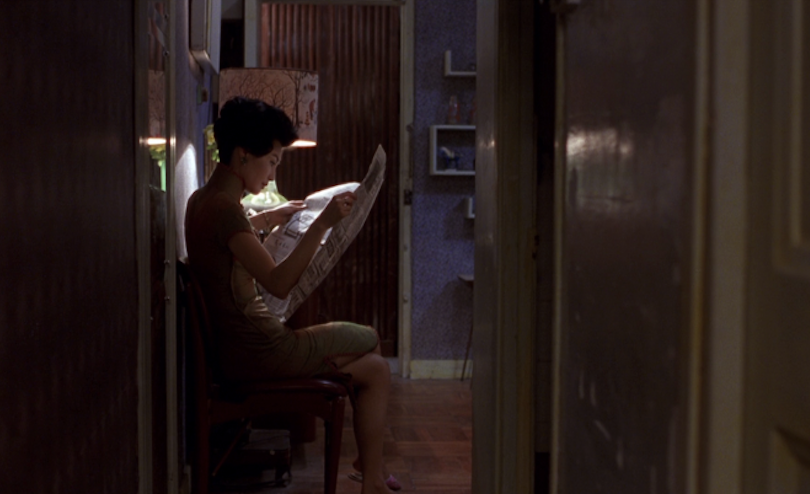
Set within the narrow, echoing tenement halls of tong lau buildings, the film captures a world where communal living collapses boundaries. Here, privacy is a luxury, and silence is survival. Mrs. Su and Mr. Chow are tenants in a ga fong—a boarding house where families, distant relatives, and strangers all rent rooms, sharing kitchens, bathrooms, and gossip.
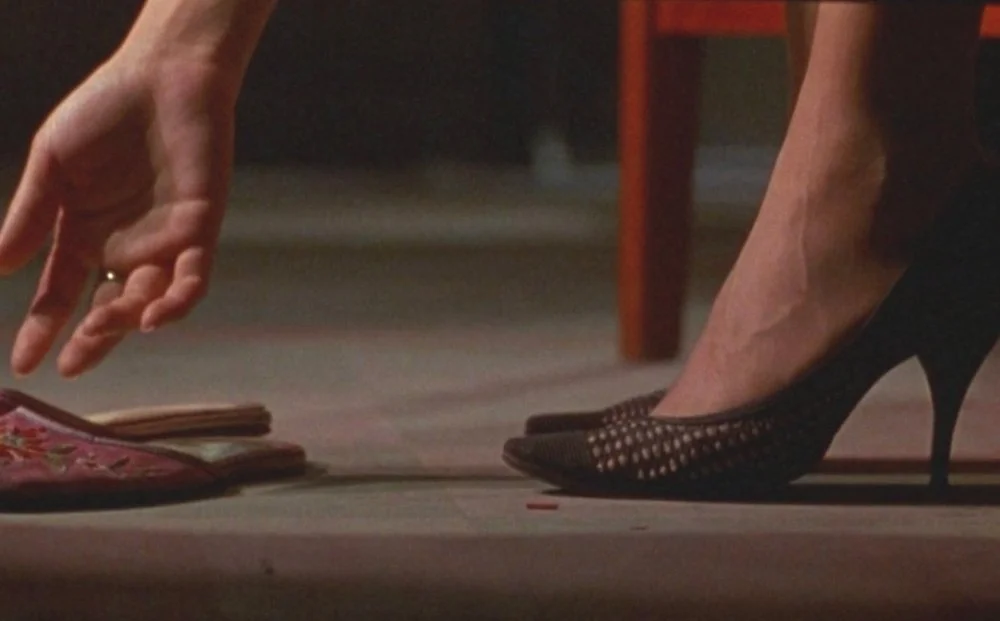
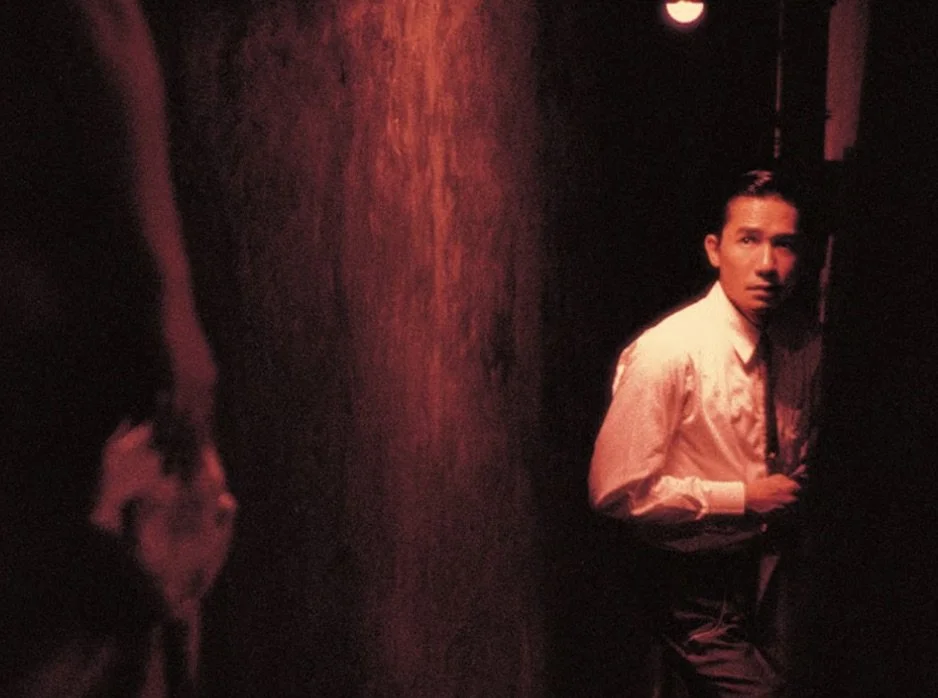
In this film, the boarding house becomes its own character. The clatter of mahjong tiles, the clang of pots, the nosy landladies—it’s a theatre of manners where everyone is always watching. For Mrs. Su and Mr. Chow, any encounter must navigate the tight choreography of shared walls, overheard conversations, and the constant threat of being seen. Their brief interactions—a shared stairwell, a borrowed book, a polite excuse—are tense, tender, and strategically casual. The geography of this housing makes proximity inevitable and discretion imperative. Every movement is edited for modesty, every gesture edited for implication.
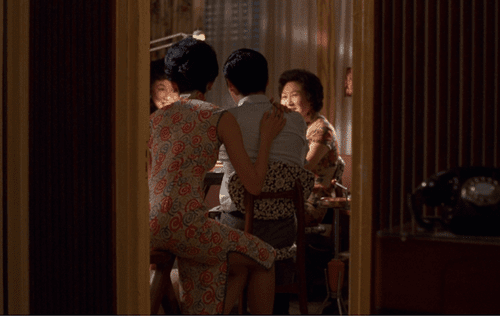
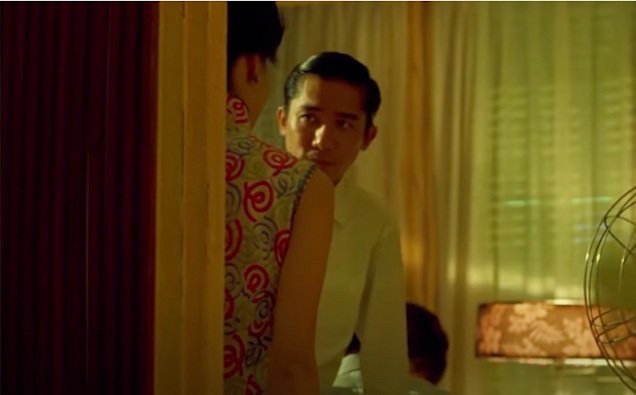
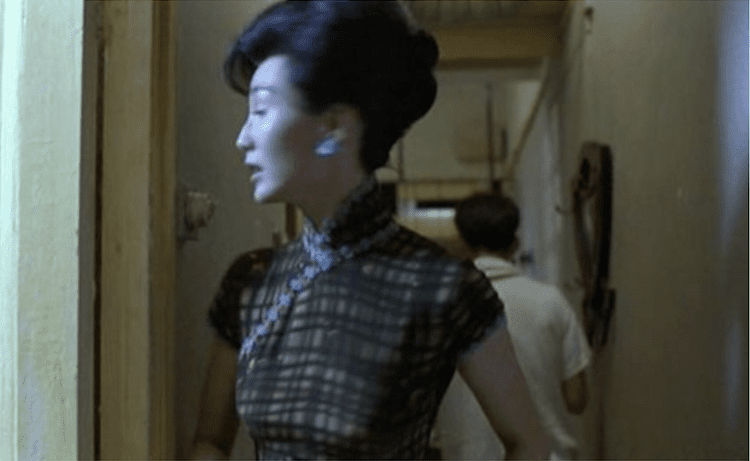
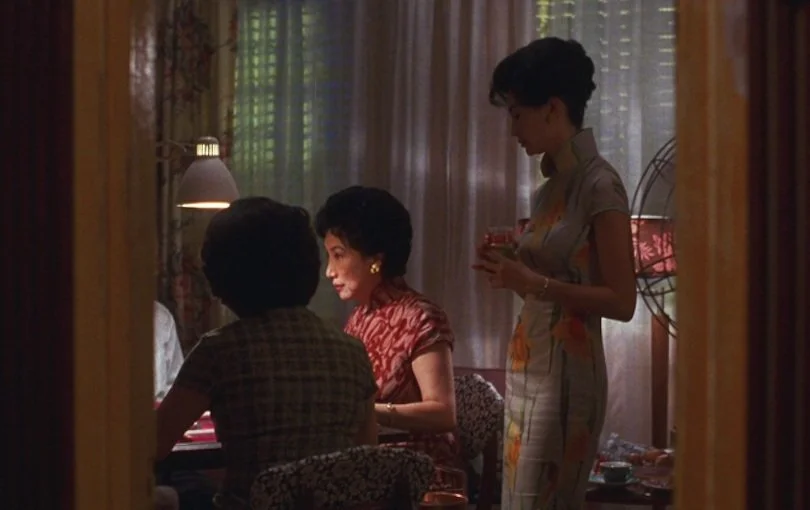
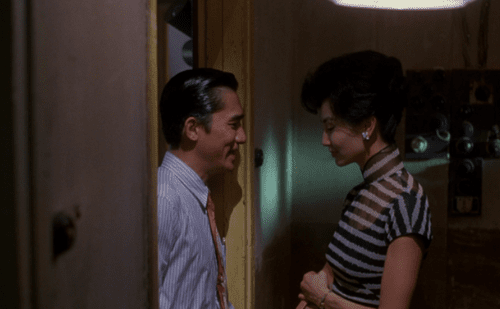
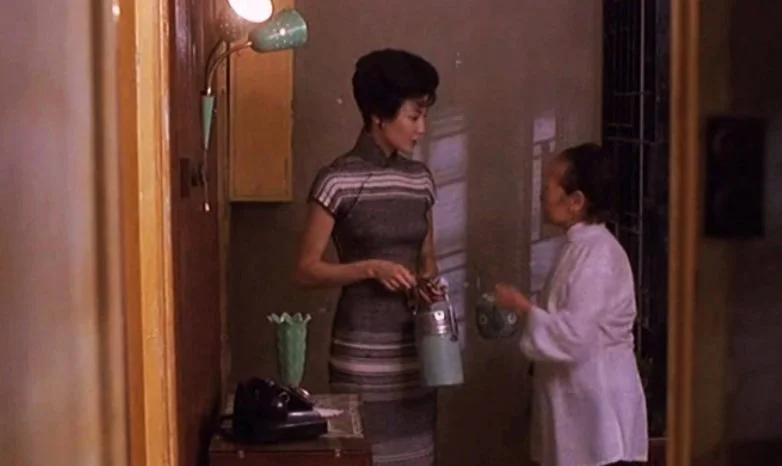
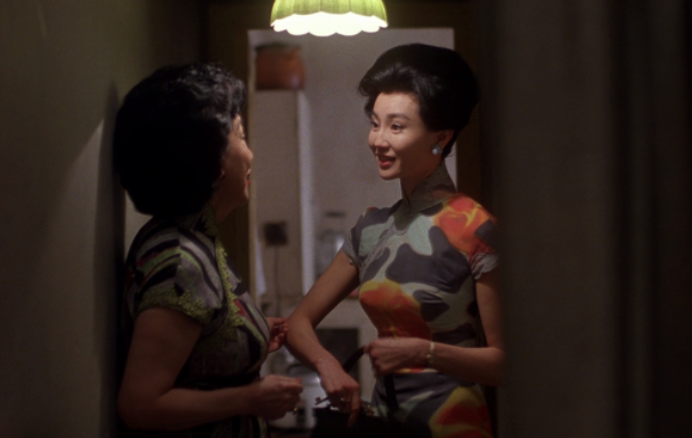
In 1960s Hong Kong, social etiquette was rigid and deeply gendered, particularly within these shared domestic spheres. A married woman seen spending time with a man who wasn’t her husband could become instant fodder for gossip—a potential scandal that didn’t need facts to be believed.
Cinematic Cage: Rooms Within Rooms
Mrs. Su is never sloppy, never disheveled. Her hair is set, and she maintains the performance of propriety because she has to. The fear isn’t just being found out—it’s being talked about. She inhabits a space where walls are thin, lives are thick with judgment, and reputation is everything. This is precisely why their affair-that-isn’t becomes so devastating. They aren't just protecting their spouses—they’re protecting the fragile, performative safety of being seen as "good people."
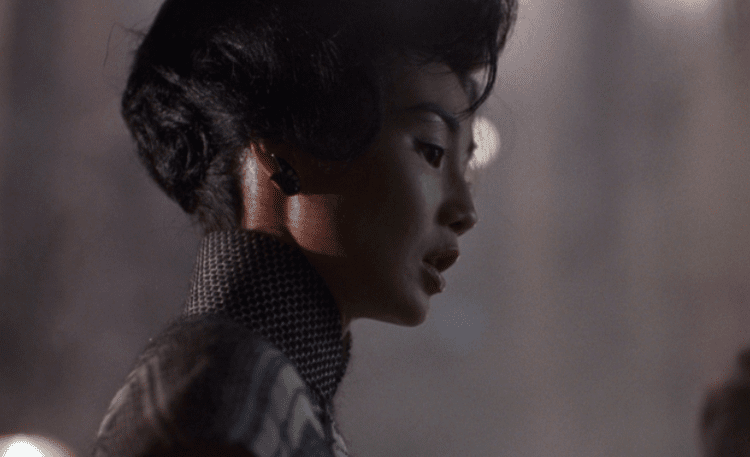
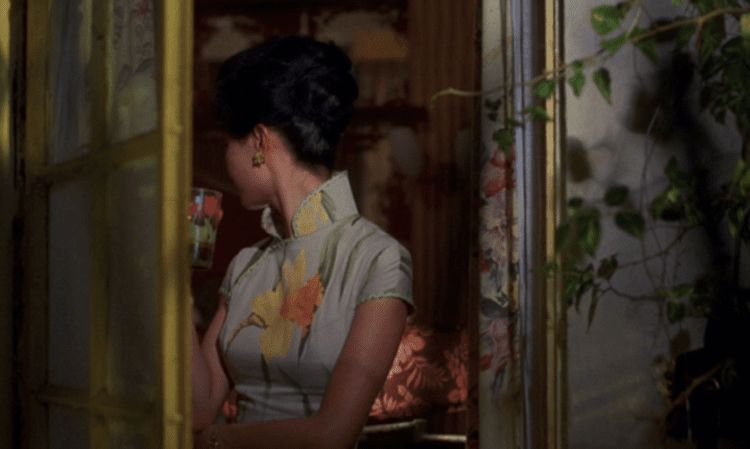
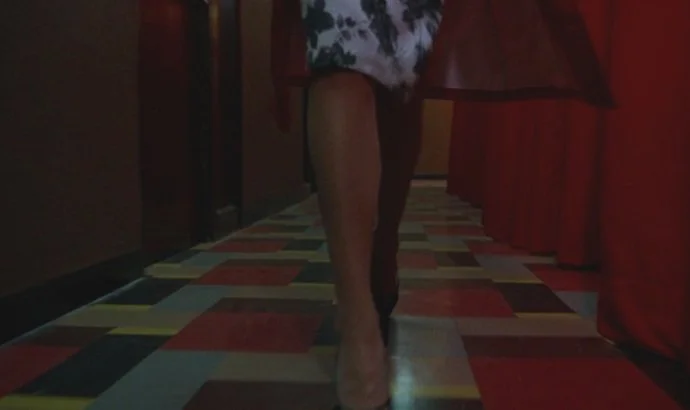
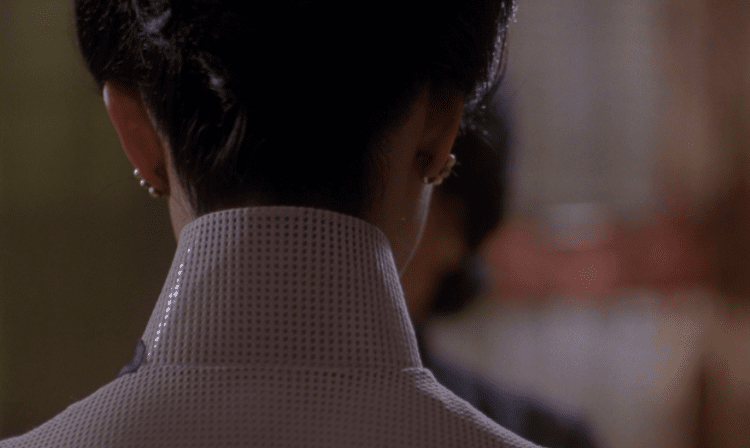
Before a word is spoken, before a glance is exchanged, there is the dress.
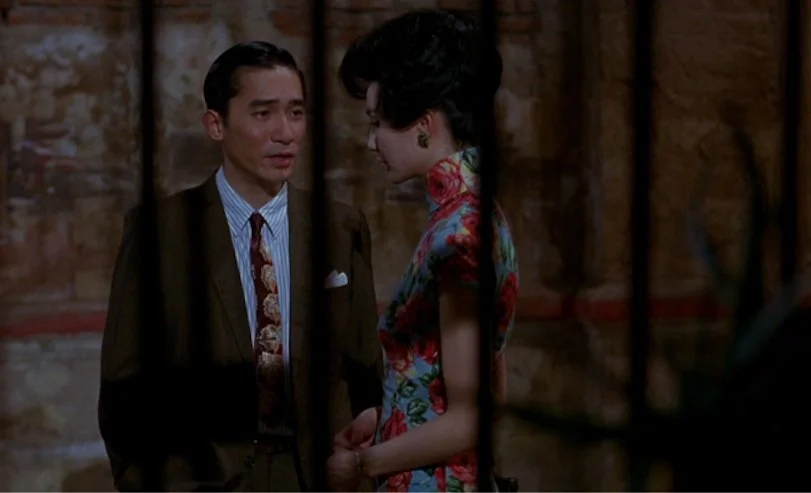
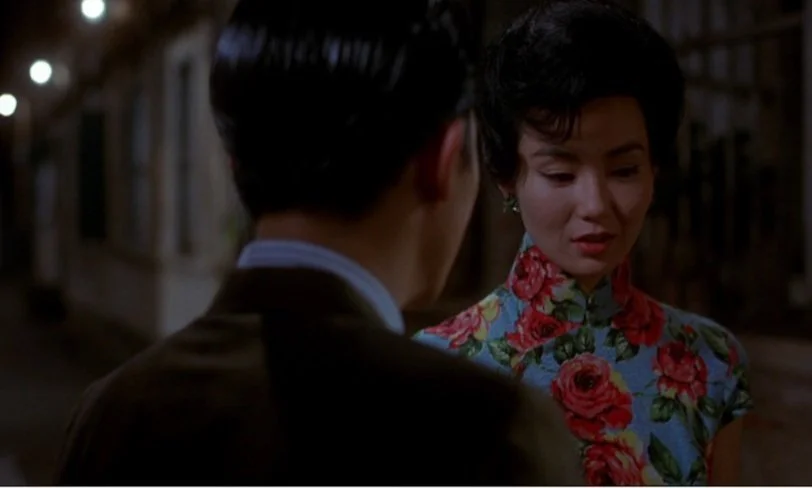
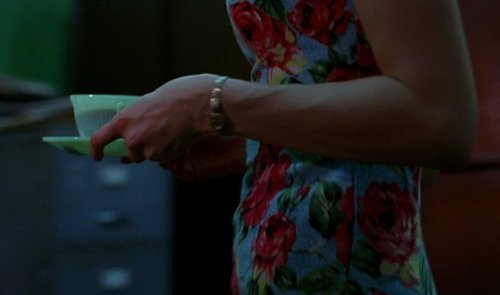
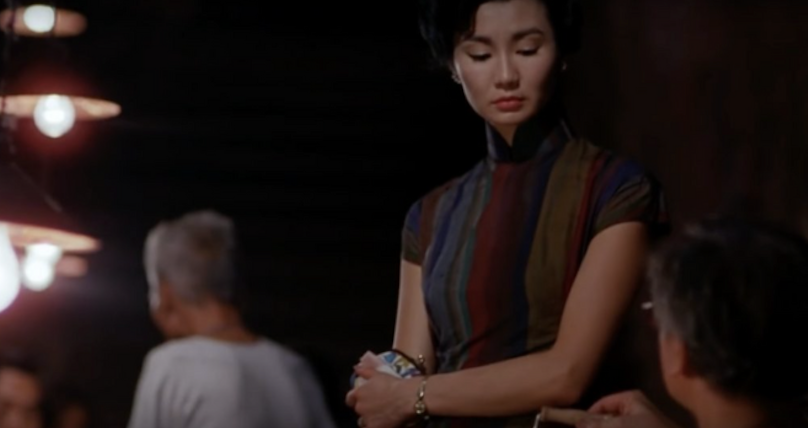
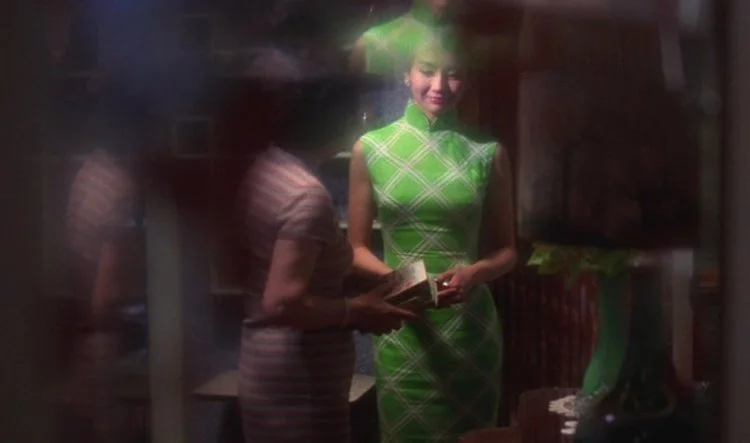
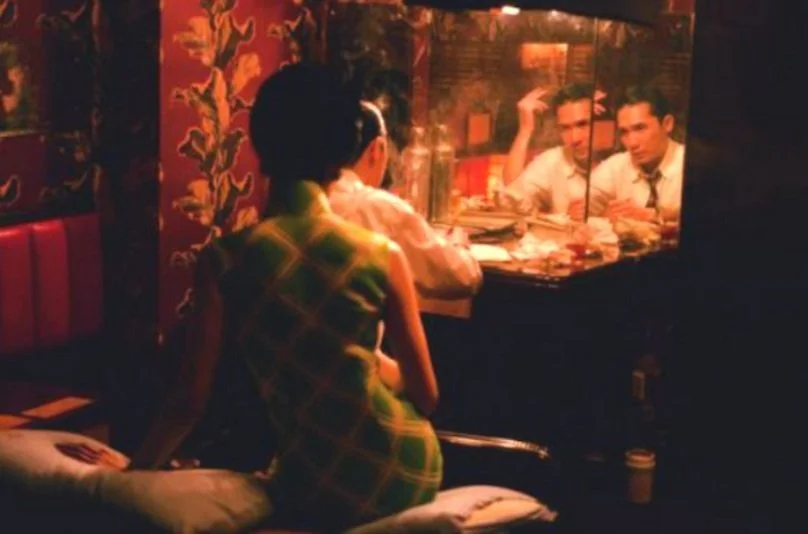
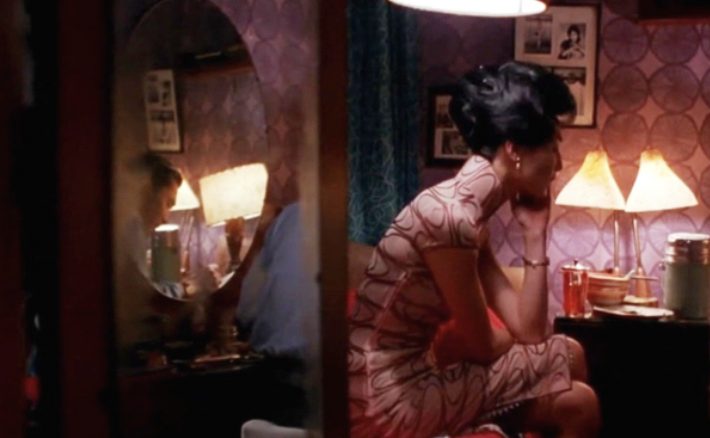
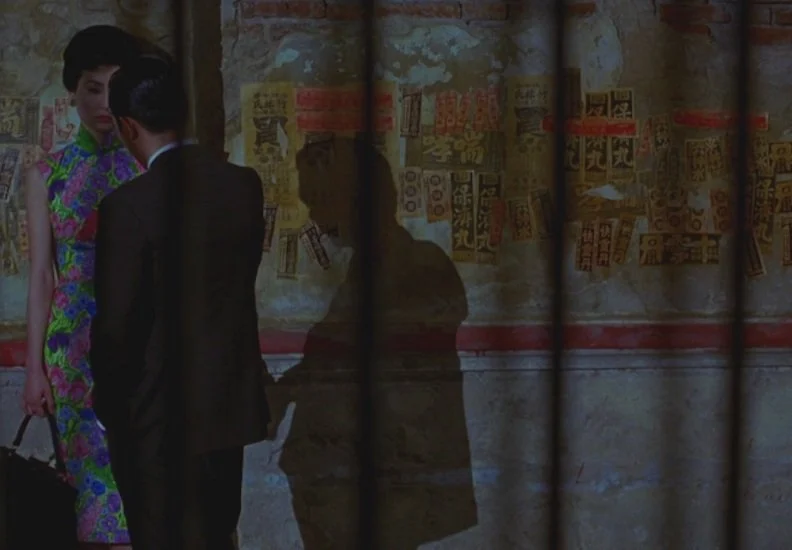
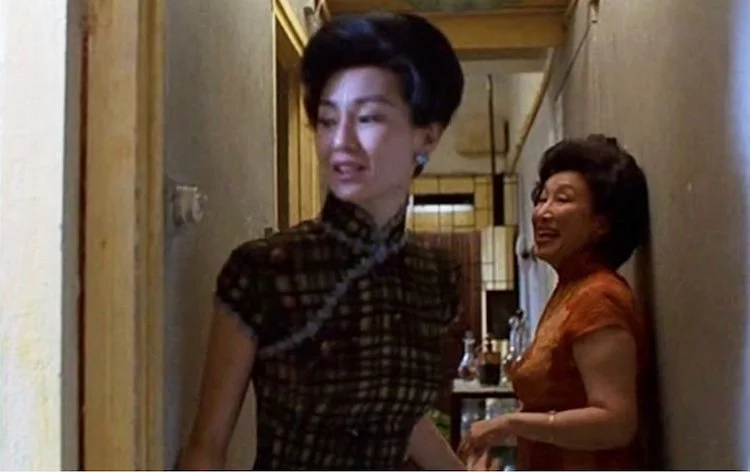
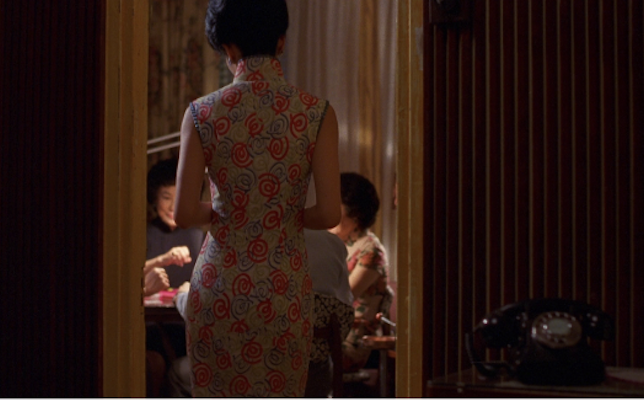
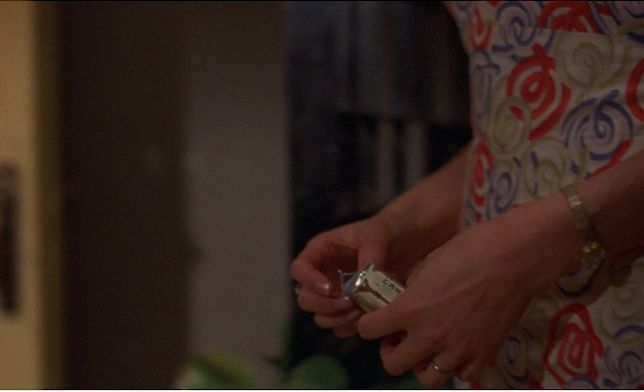
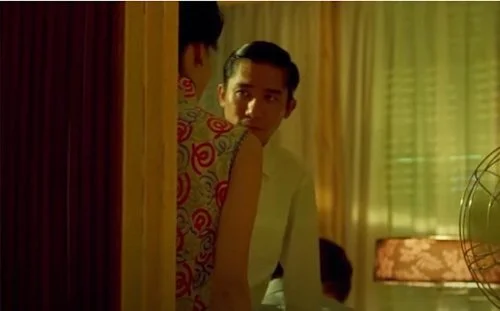
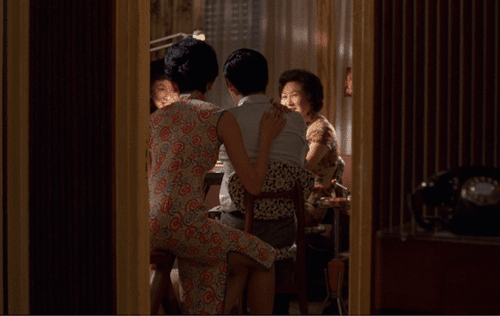
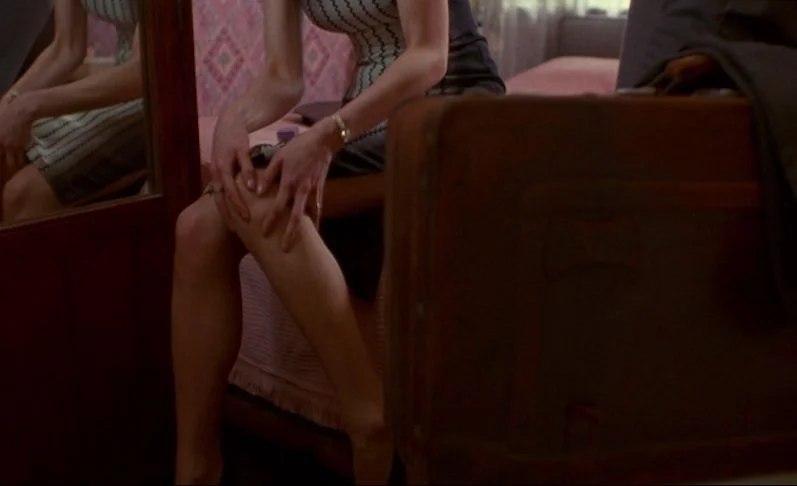
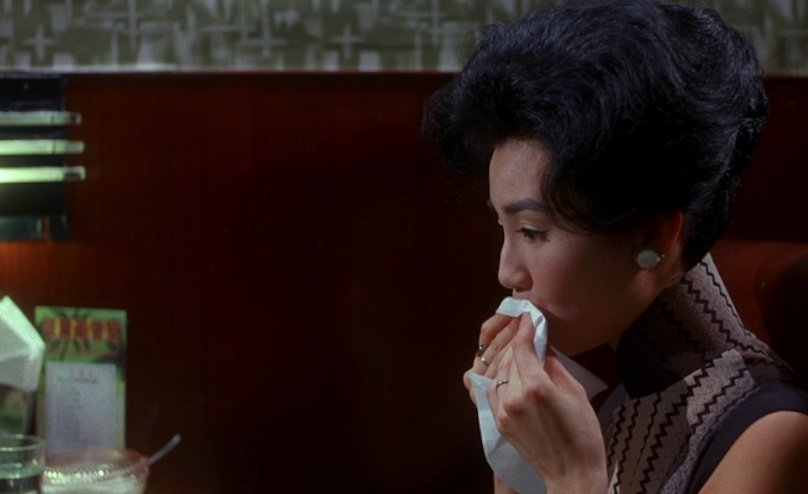
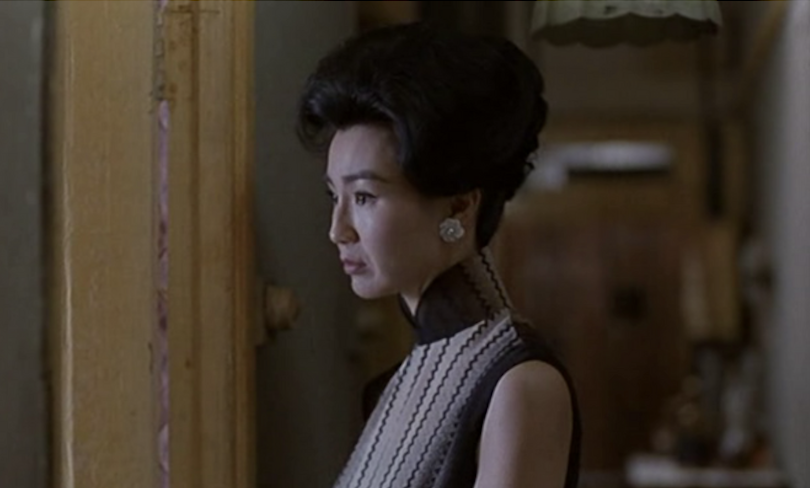
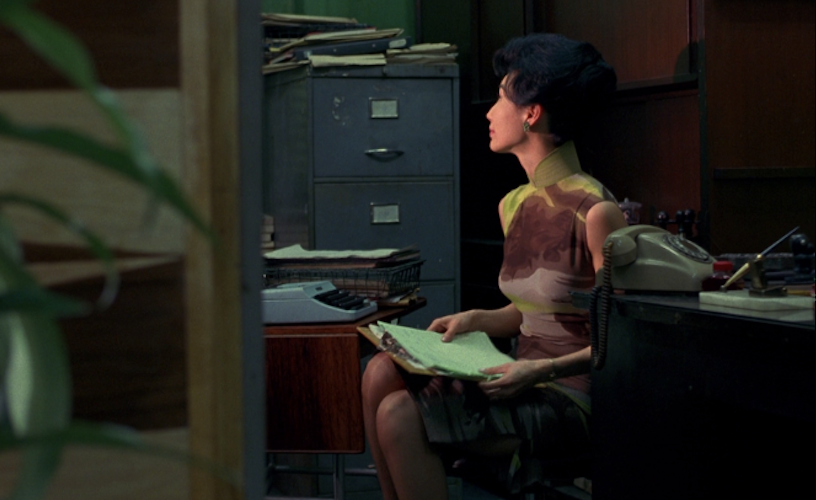
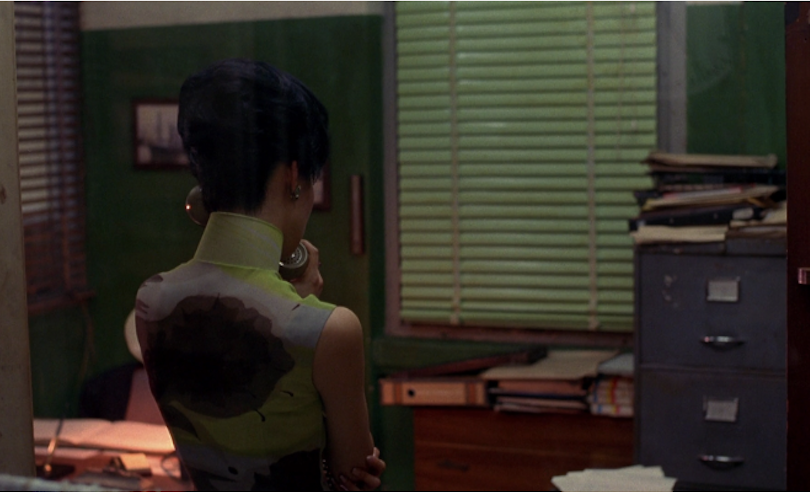
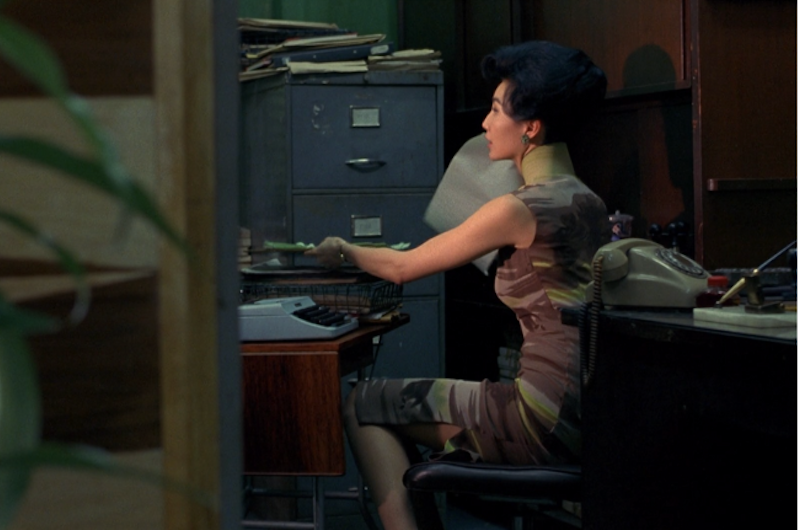
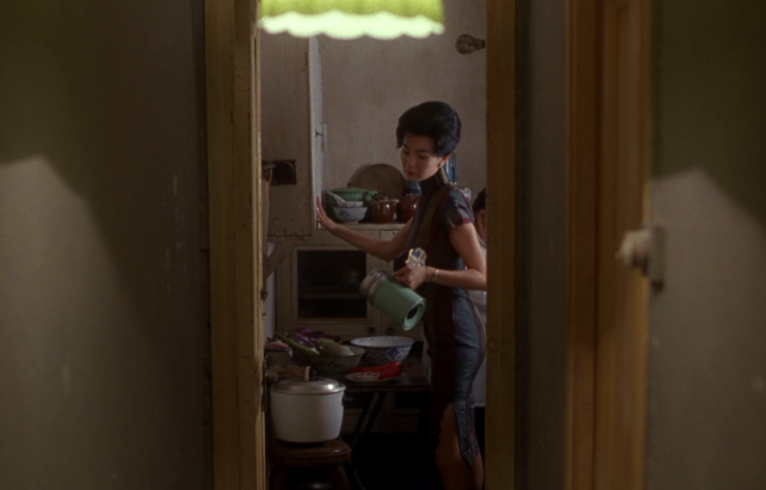
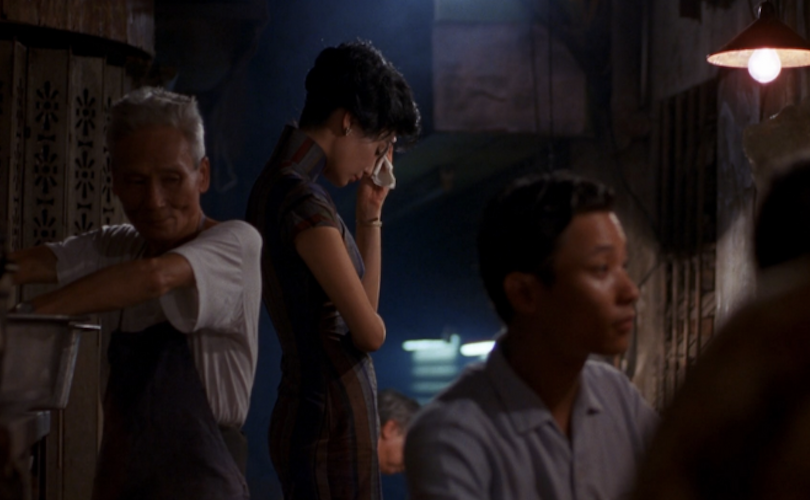
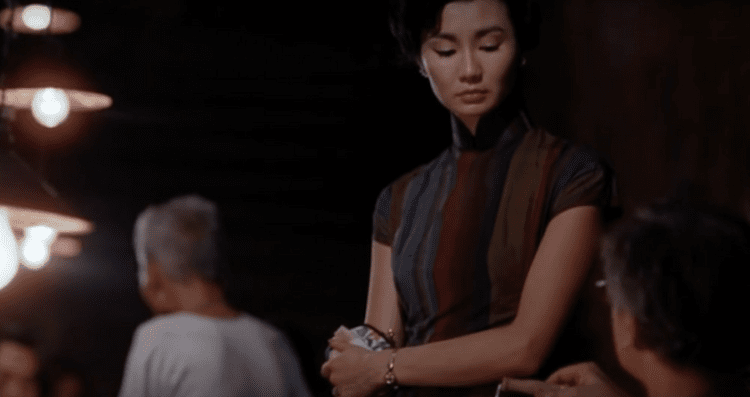
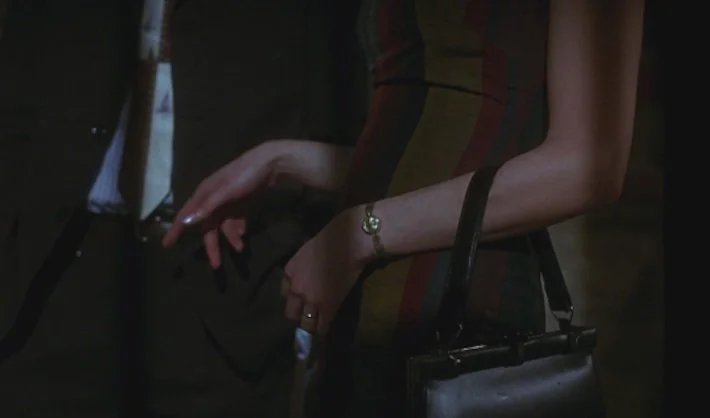
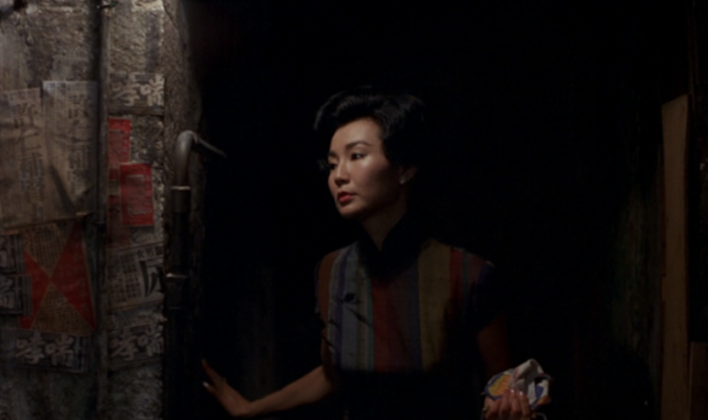
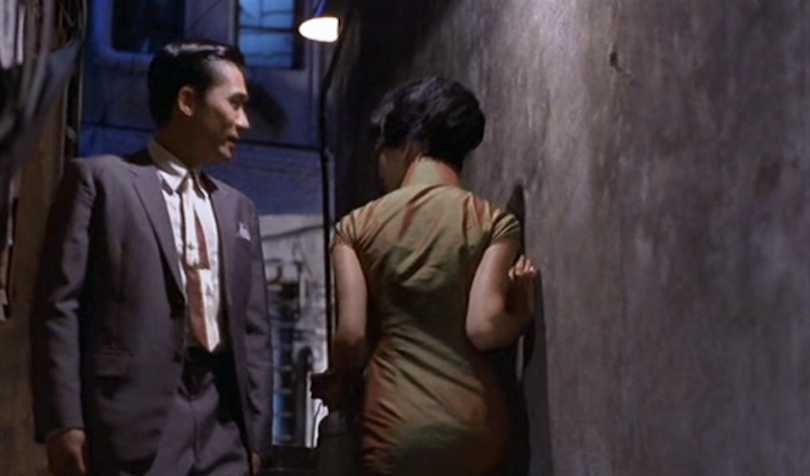
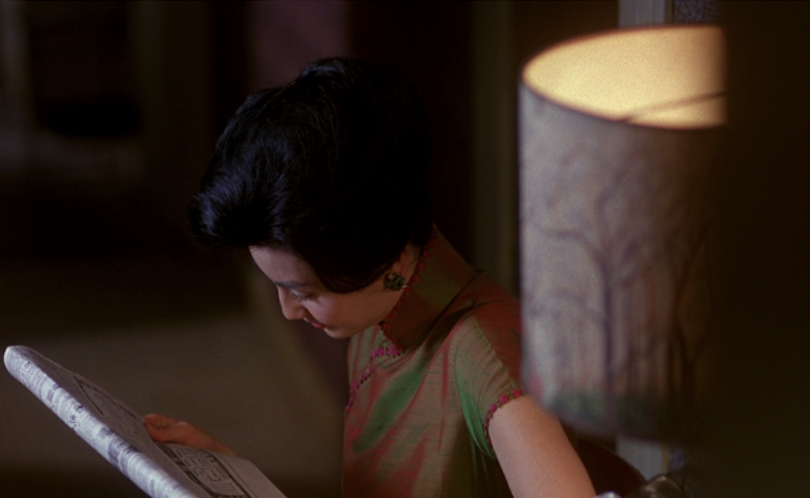
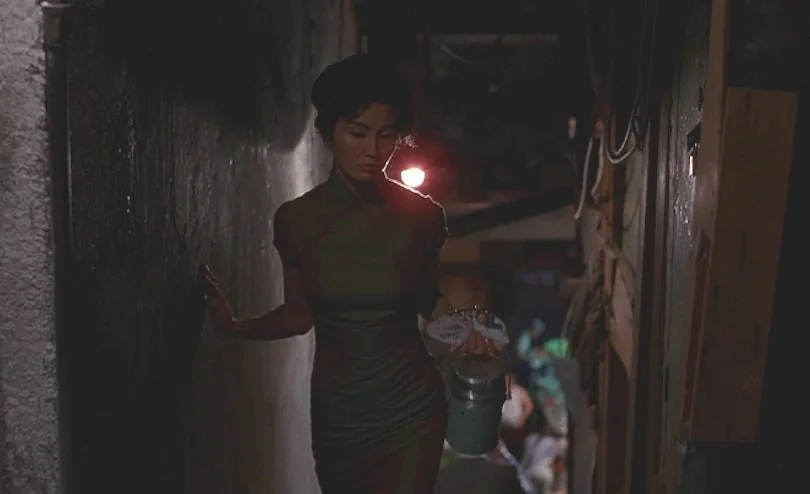
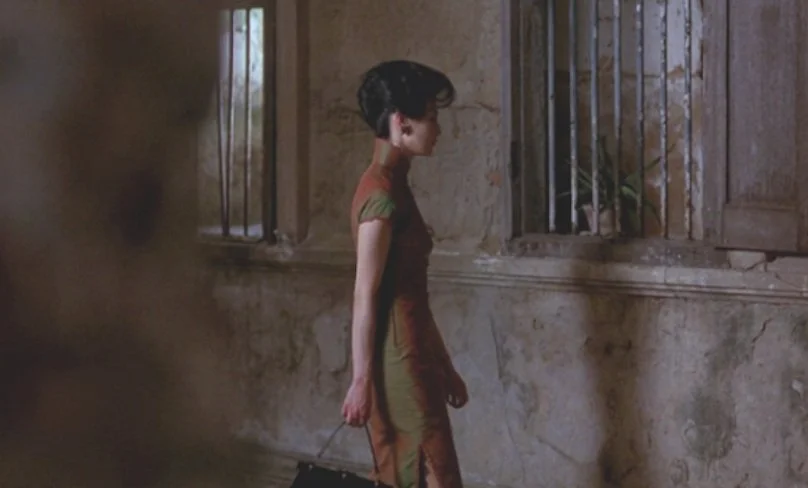
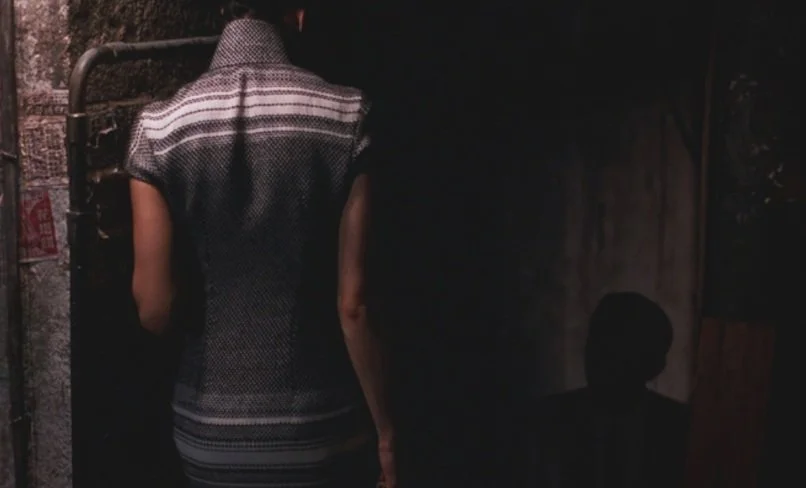
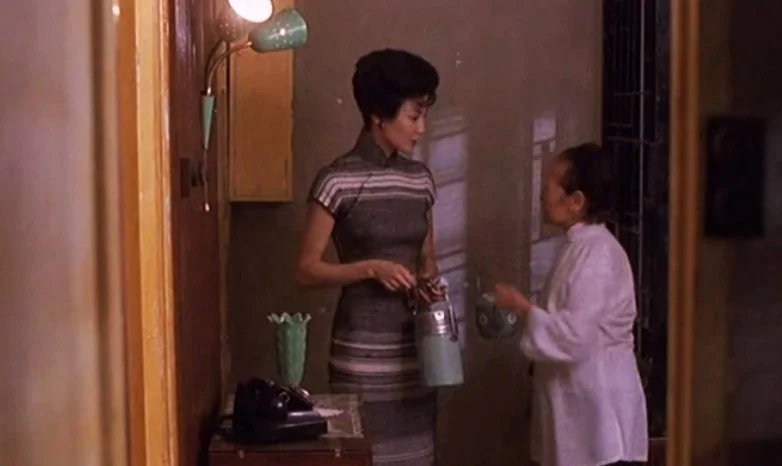
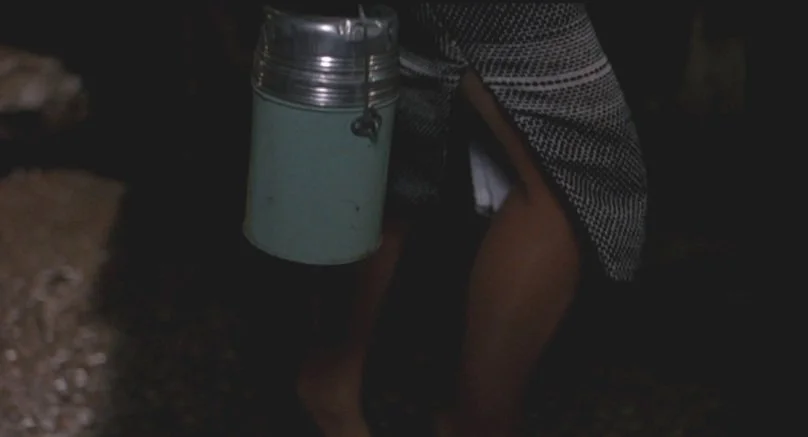
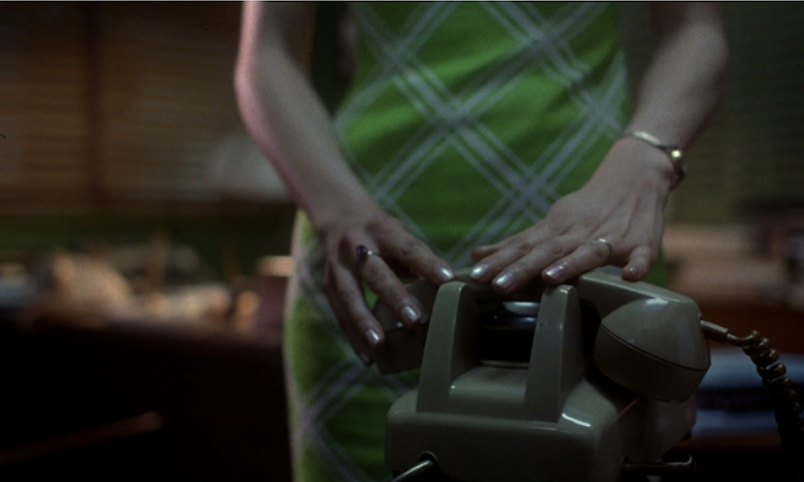
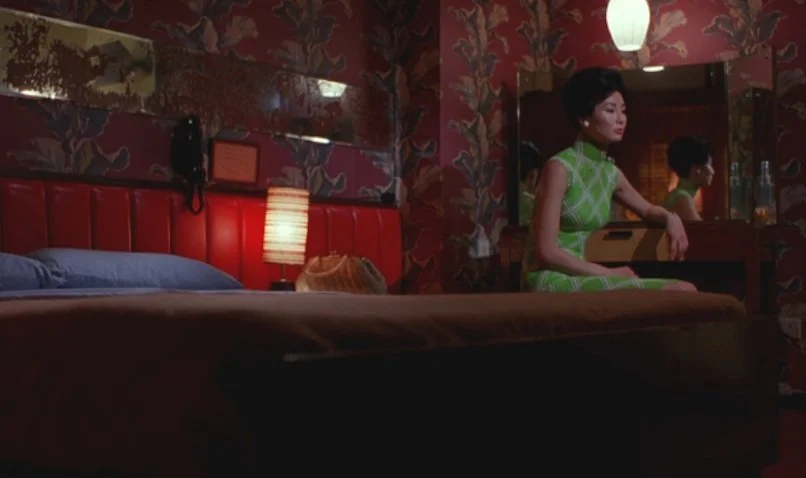
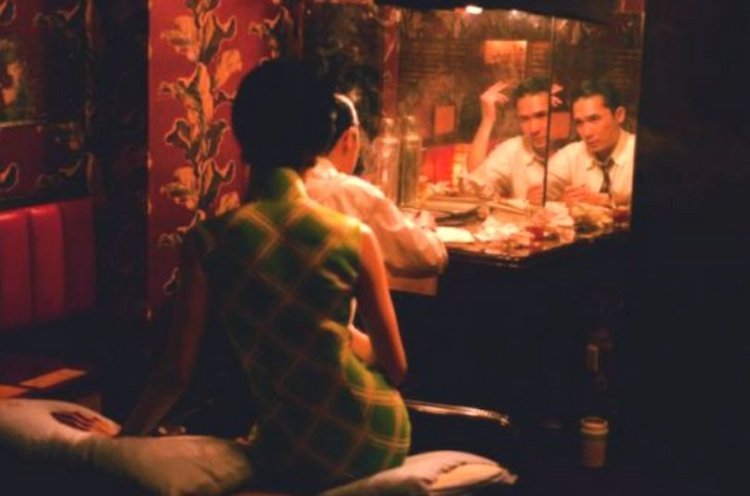
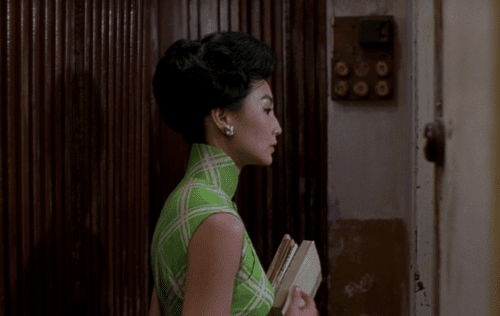
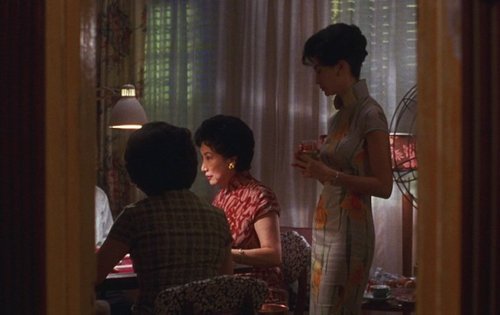
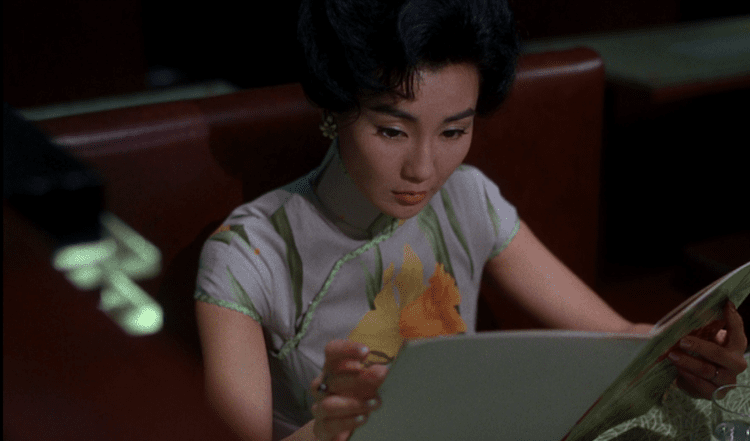
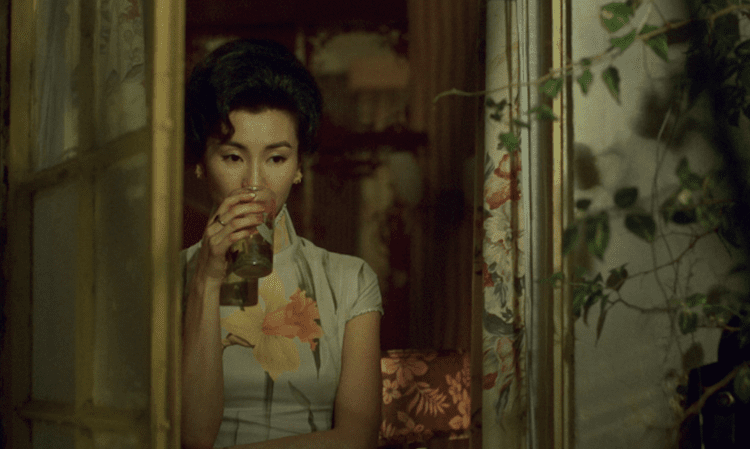
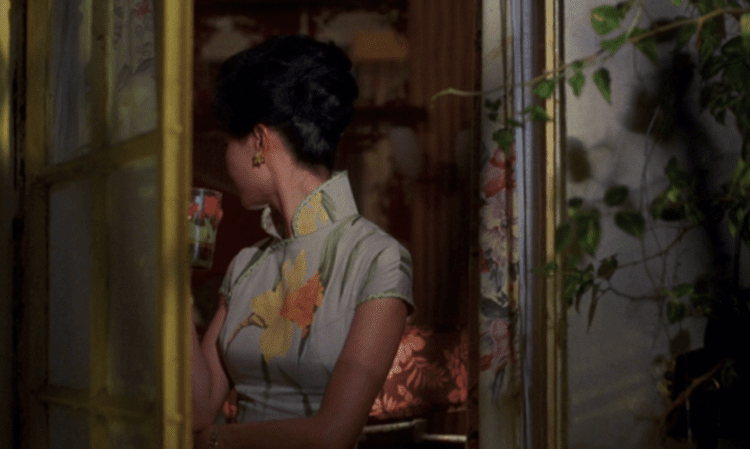
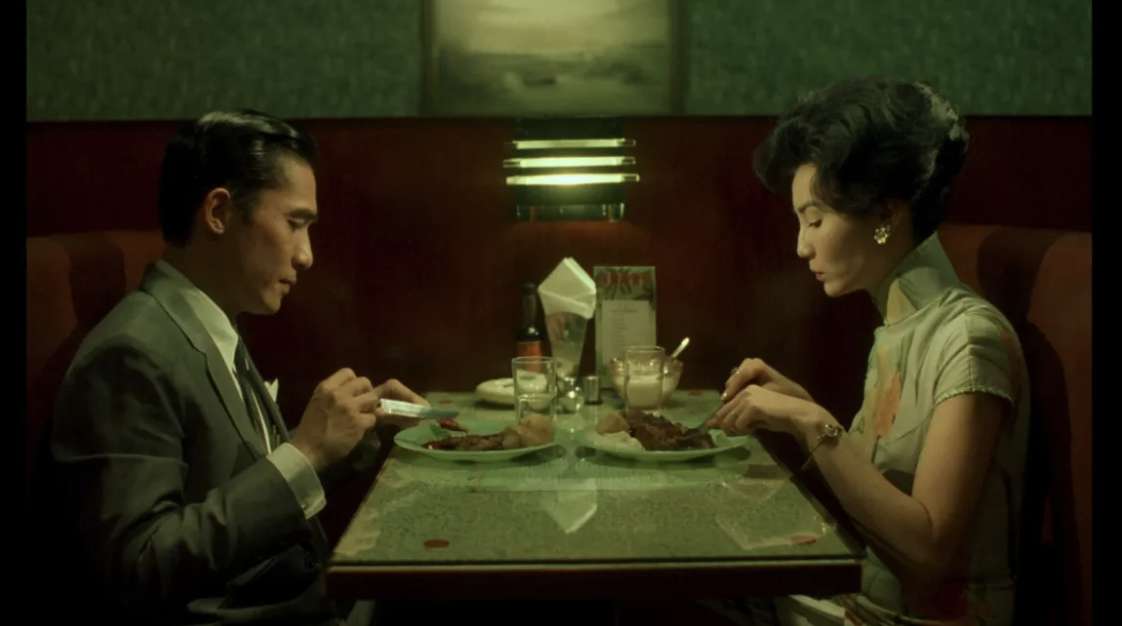
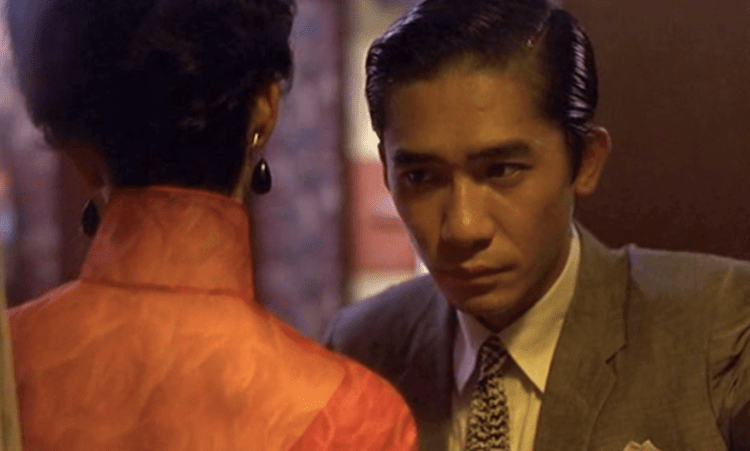
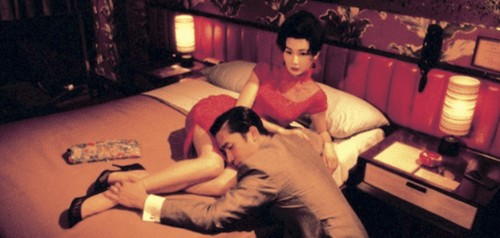
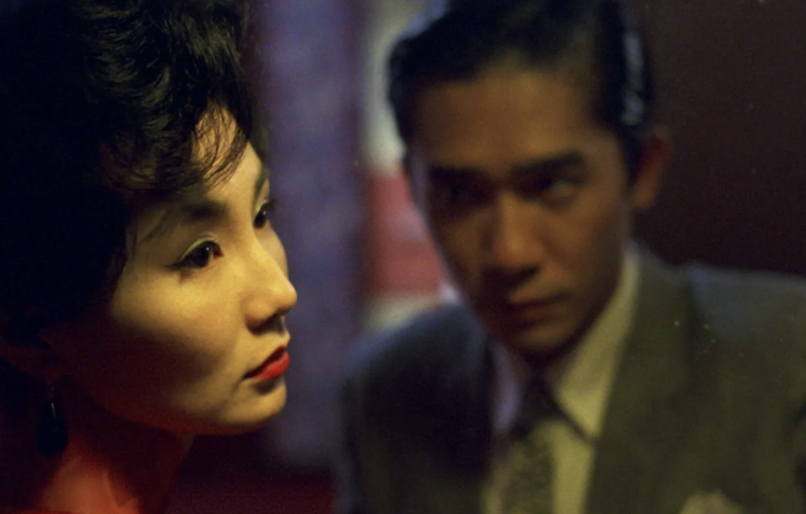
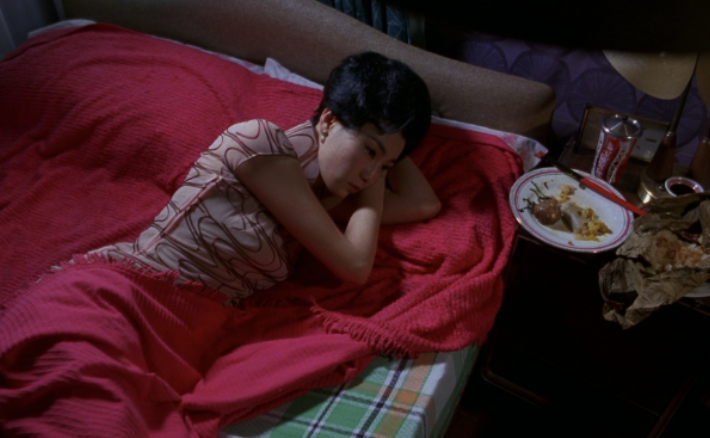
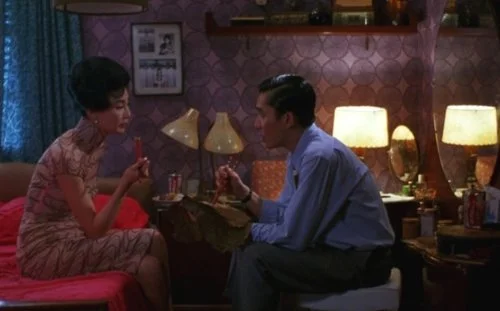
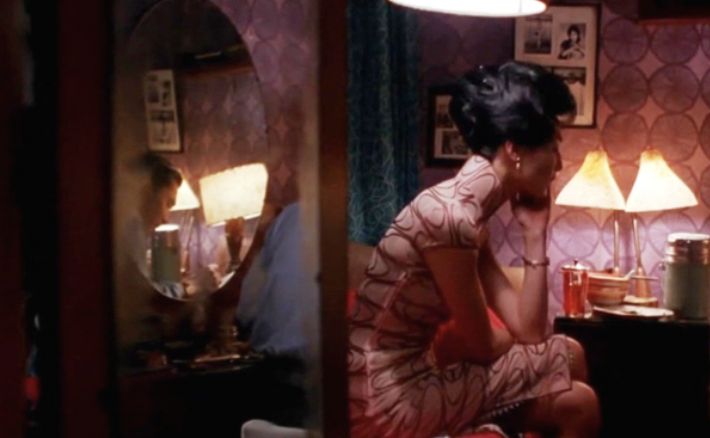
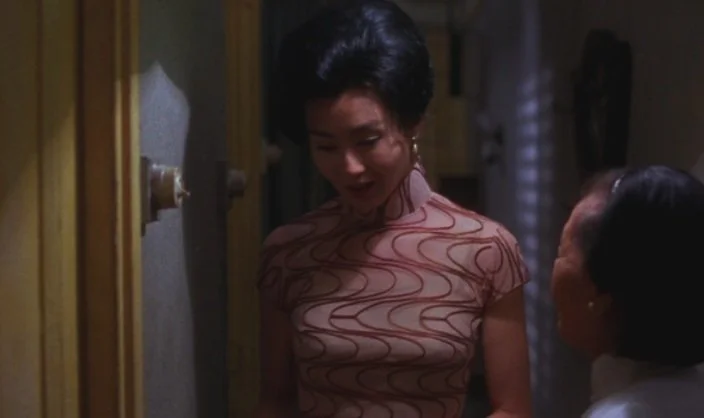
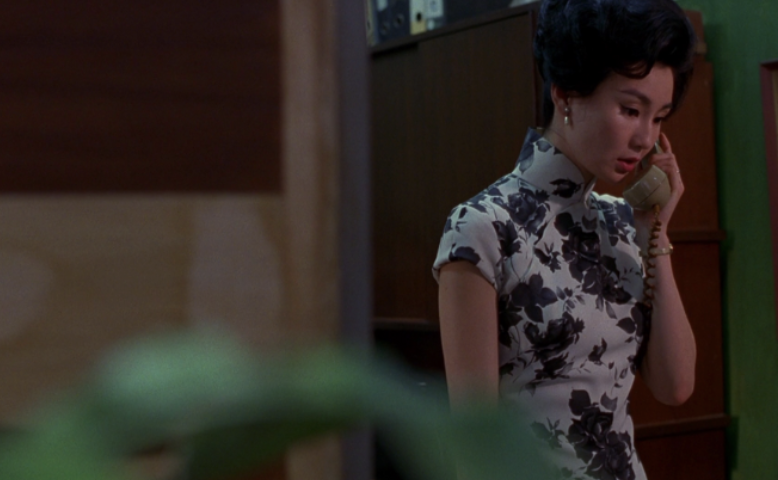
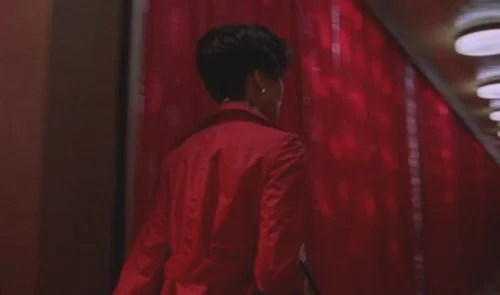
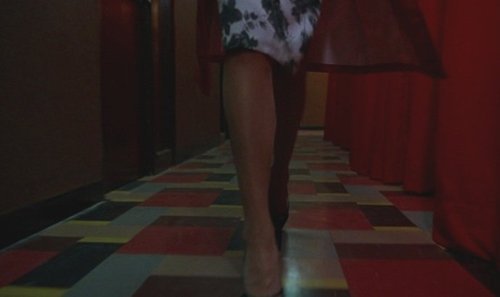
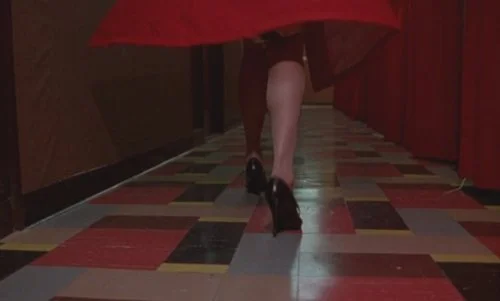
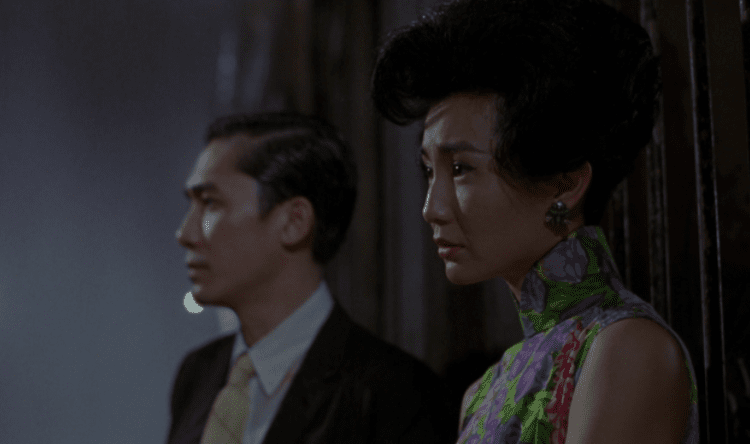
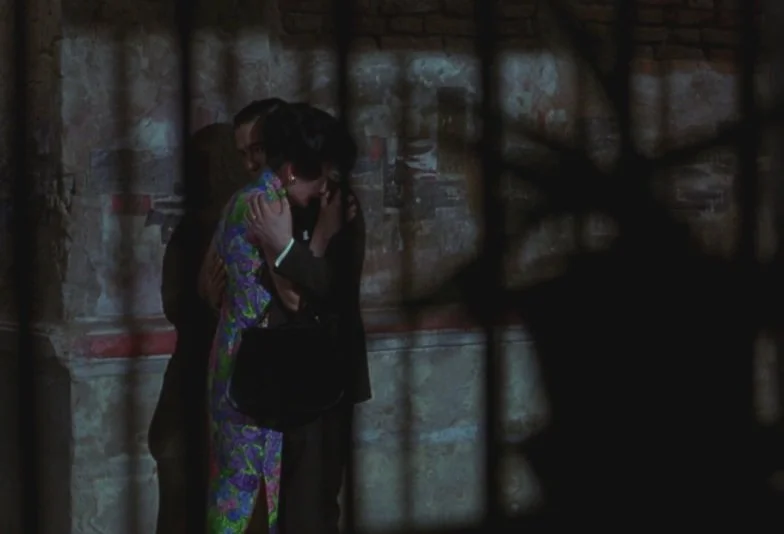
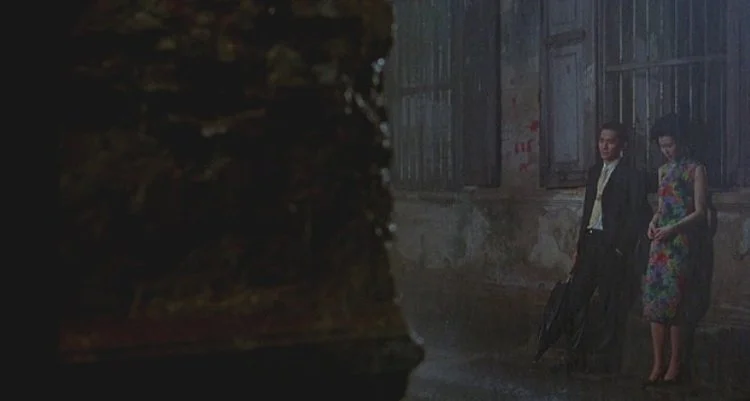
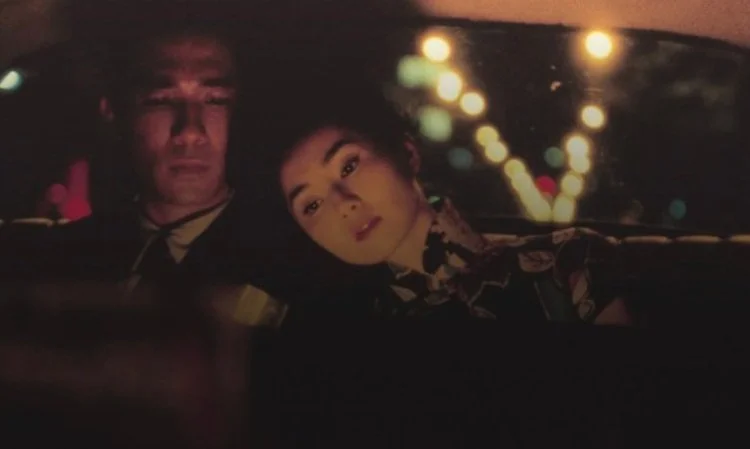
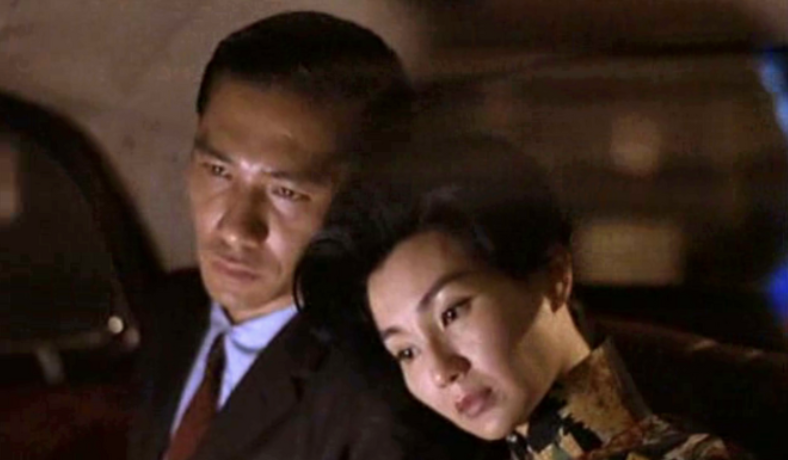
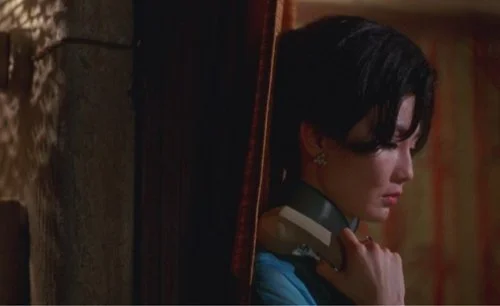
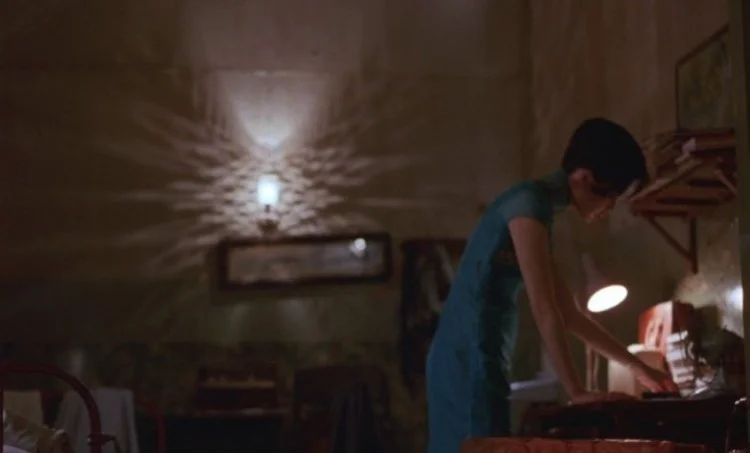
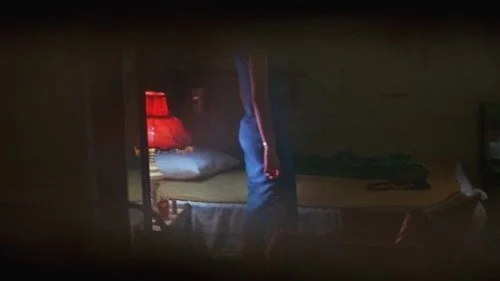
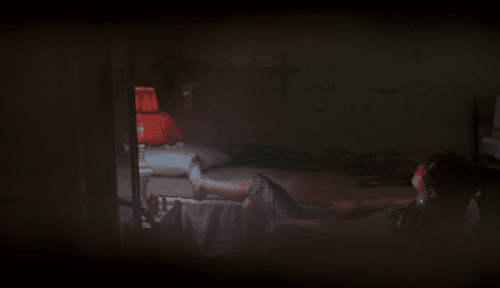
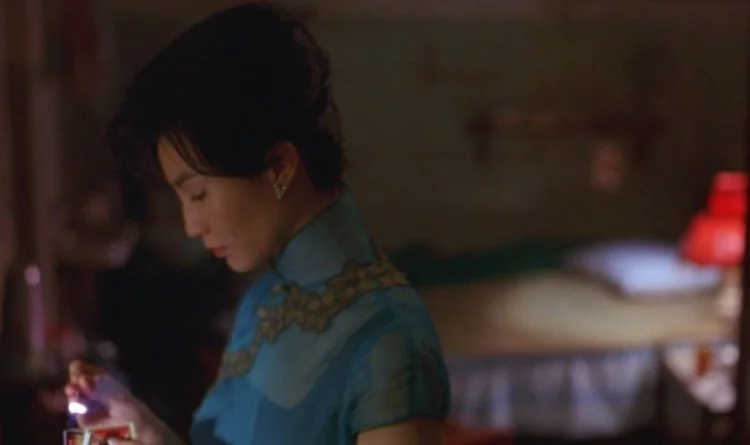
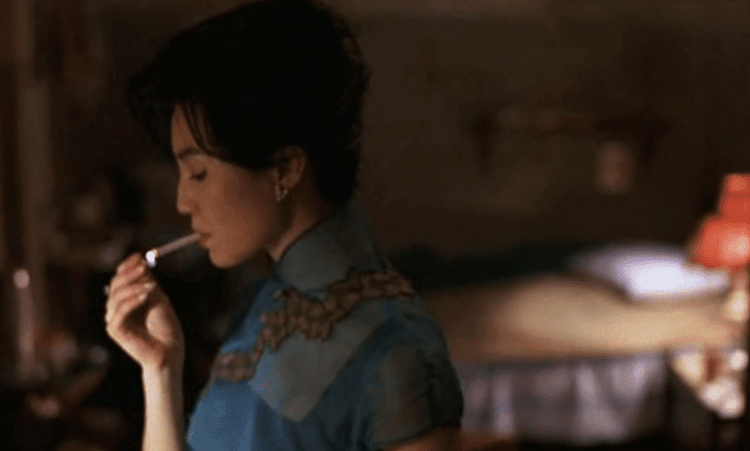
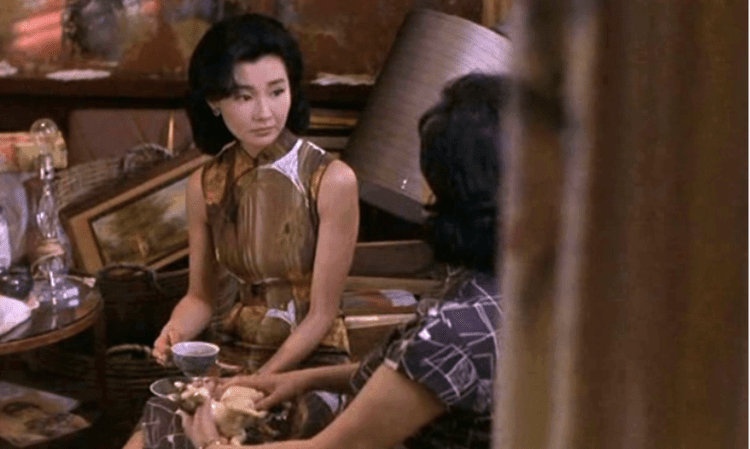
Mrs. Su Li-zhen glides through tenement hallways wearing twenty-one distinct cheongsams (qipao) throughout the film. Each dress is a sheath of self-possession, signaling time’s passage more precisely than a clock. They are tight cages of style and captivity—a visual narration of time and emotion. These costume changes are deliberate and symbolic; the cheongsams aren’t just wardrobe, they’re visual storytelling devices.
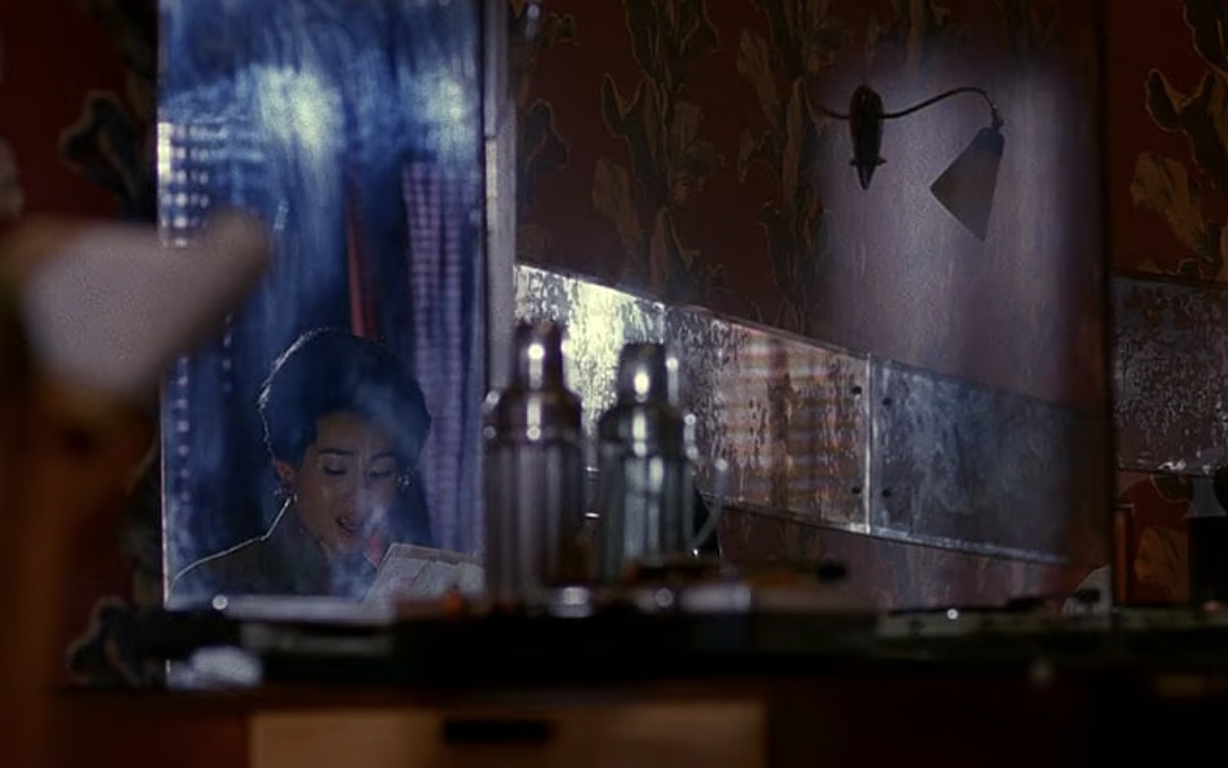
The colors and patterns reflect Mrs. Su's inner world—florals in tender moments, darker hues in melancholy. Through wallpapered mise-en-scène and shadow-drenched frames captured by DP Christopher Doyle, director Wong Kar-wai constructs an atmospheric world where the high collars and tight silhouettes underscore her composure and suffering. It mirrors the repressed romance between her and Mr. Chow. It’s the surface tension of the film’s erotic charge. The cheongsam—like everything else in this film—is about what doesn’t happen. And what almost does.
Rituals of Hunger and Duplicity
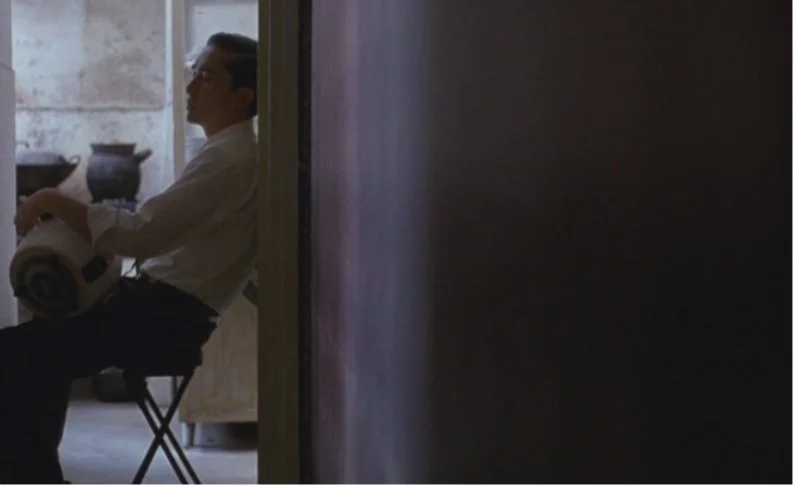
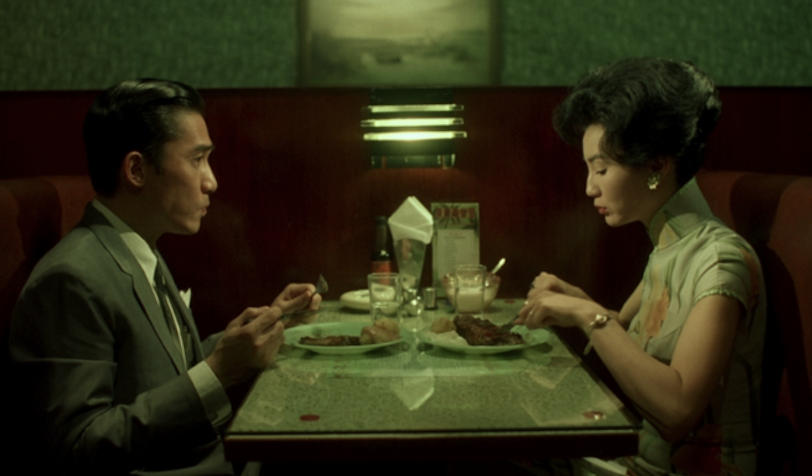
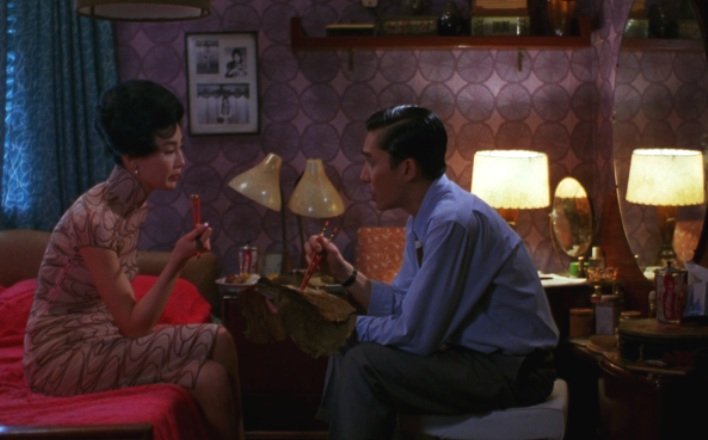
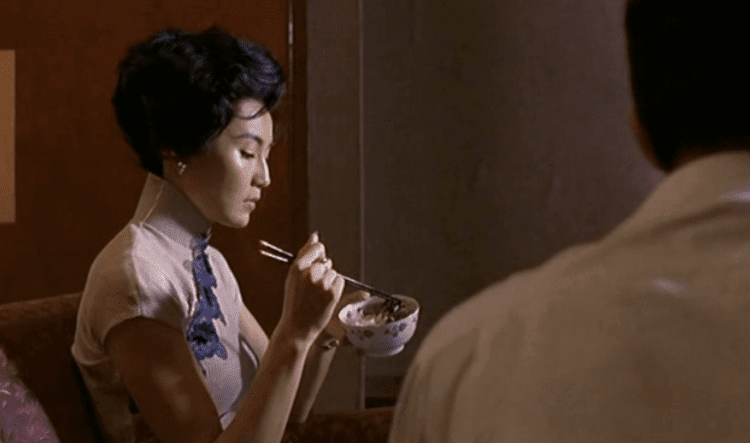
We watch them order takeout, wait for noodles, and eat alone. The rituals of hunger echo the rituals of their restraint. Eating becomes a metaphor for intimacy—always shared, never indulged. Even the act of choosing the same rice dish becomes foreplay.
Both Mrs. Su and Mr. Chow are married. Not unhappily. Just... married. That ambiguity makes their connection all the more dangerous. They don’t fall in love because of their unhappiness; they fall in love in spite of the lives they’ve built.
They start off role-playing their spouses' affair to understand it, but they end up using those roles to fall for each other. It’s a double performance: one for the world and one for each other—one they’re not even honest about with themselves. The duality is everywhere: tradition versus desire, honor versus impulse, form versus feeling.

Lonely In A Crowd: Isolation As Atmosphere
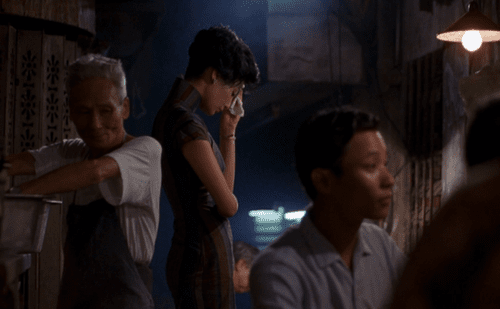
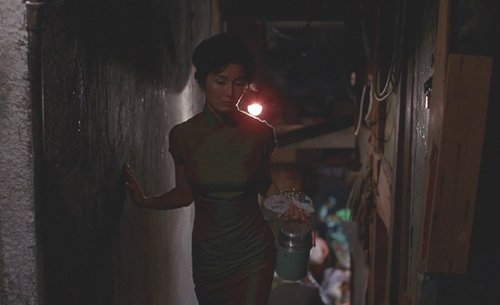
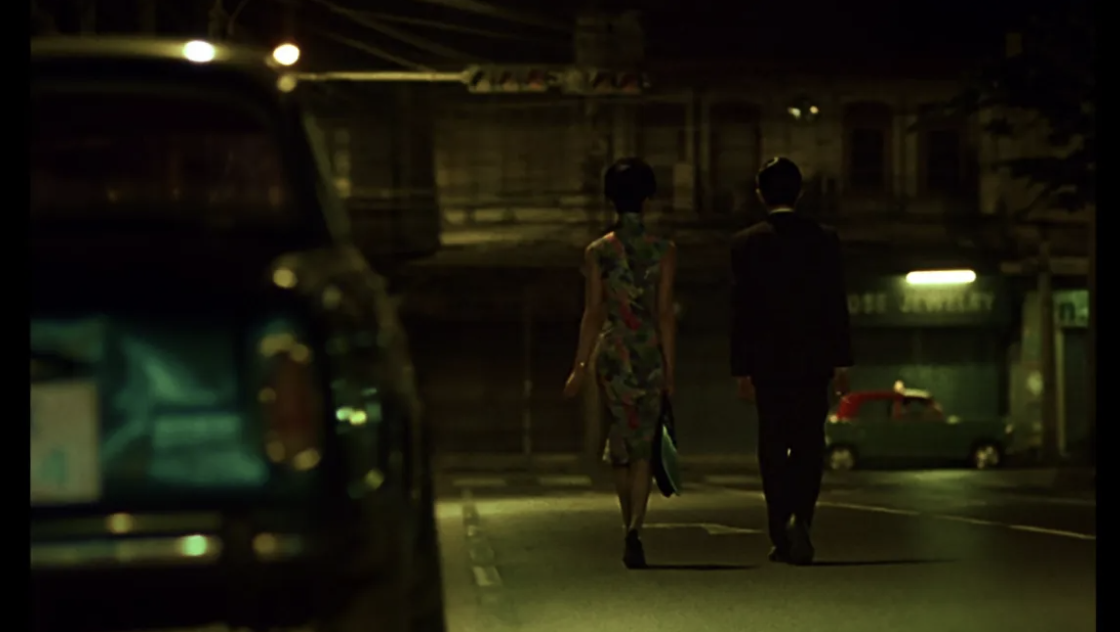
Despite being surrounded by people, Mrs. Su and Mr. Chow are profoundly alone. They move through spaces filled with chatter and clatter, yet carry a silence that’s intensely private. Their solitude isn’t geographical—it’s emotional.
The film never gives them full sanctuary. Even in their most intimate moments, someone is a wall away, a door ajar. This constant proximity to others amplifies their loneliness, serving as a reminder that isolation isn’t about being alone—it’s about having no one who can fully know what you feel. It’s walking the same hallway every night, nodding politely, and swallowing everything you’ll never say.
The Seduction Of Restraint
What makes In the Mood for Love devastating isn’t the affair—it’s the lack of one. The characters choose restraint. The tension between them is so precise it's maddening. It’s the cinematic equivalent of sexual edging—where climax is perpetually postponed, and the ache is the point. They edge closer and closer to pleasure, to betrayal, to intimacy, but they never let go. The viewer feels the tension like a pulled thread, waiting to snap.
This isn’t just a story of forbidden love, but a meditation on how aesthetic precision can intensify emotional truth. This is a love story sewn at the seams, suspended in restraint, and draped in silk.
Dress 1
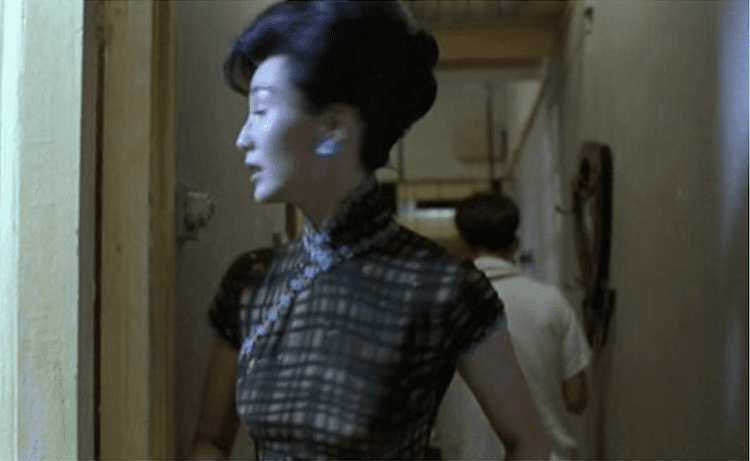
dress 2
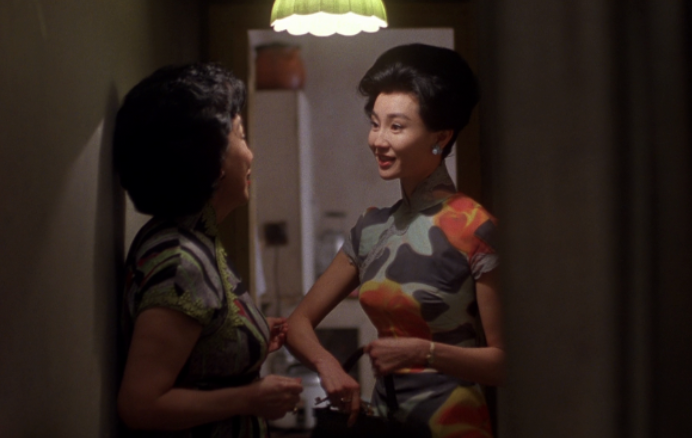
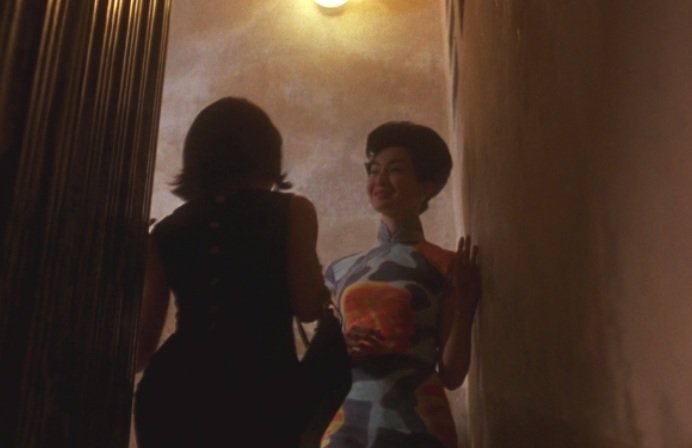
Dress 3
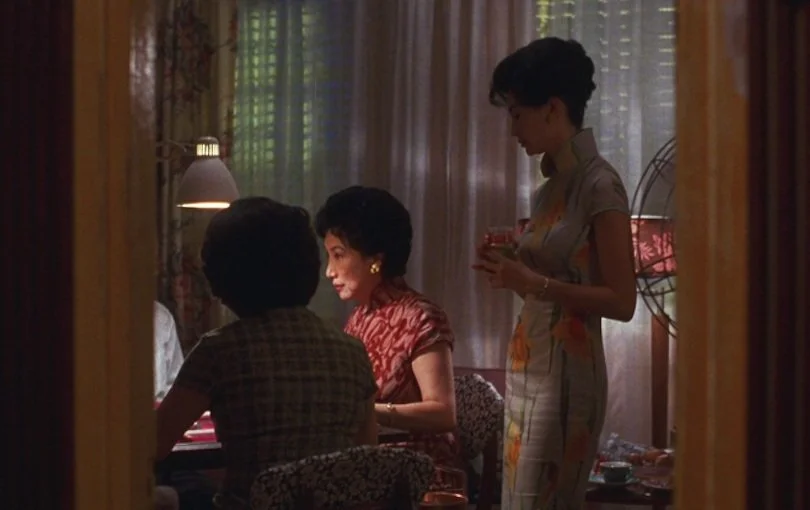
Dress 4
Dress 5
Dress 6

Dress 7
Dress 8
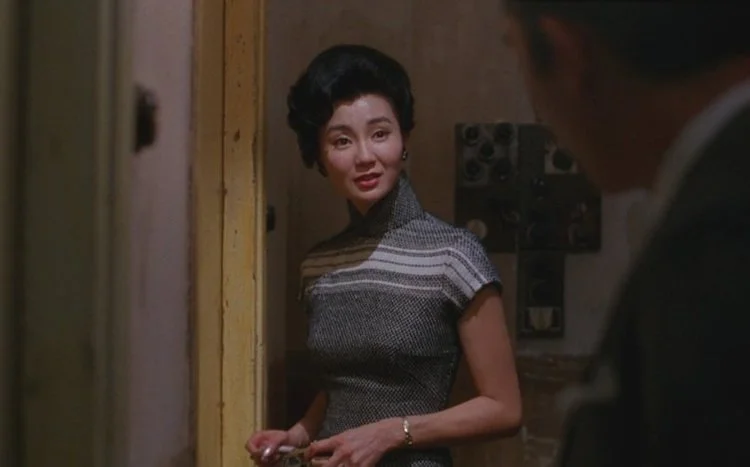
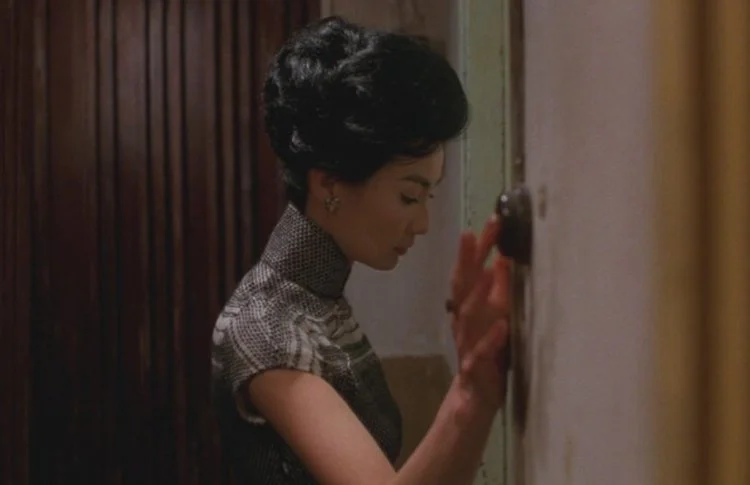
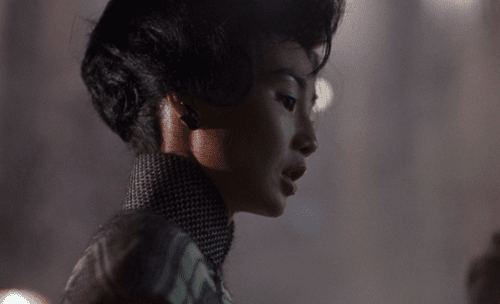
Dress 9
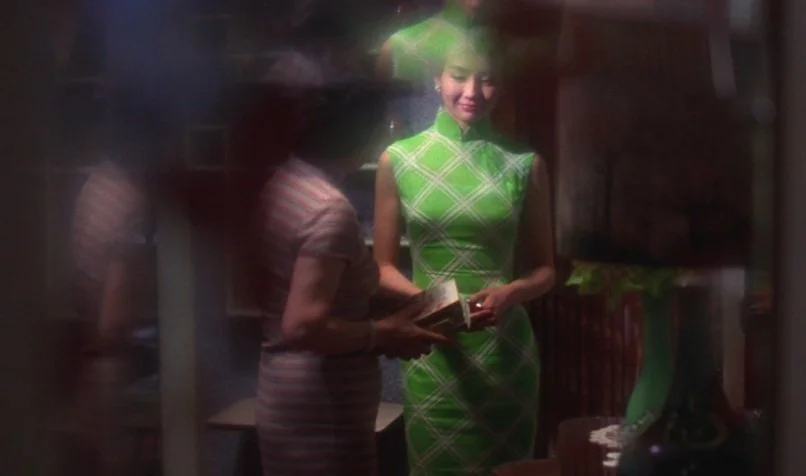
Dress 10
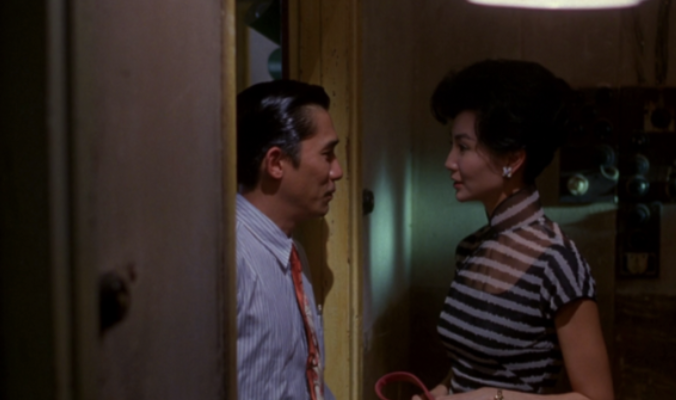
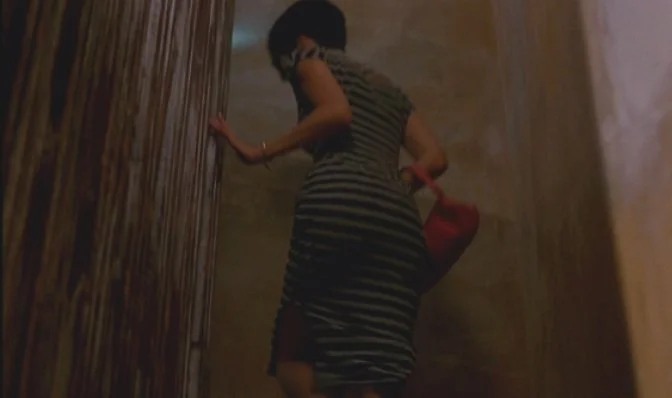
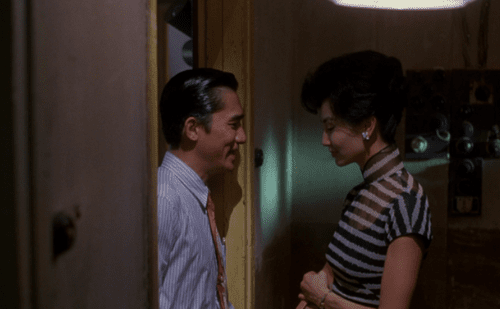
Dress 11
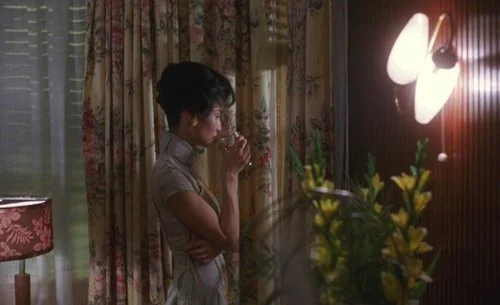
Dress 12
Dress 13
Dress 14
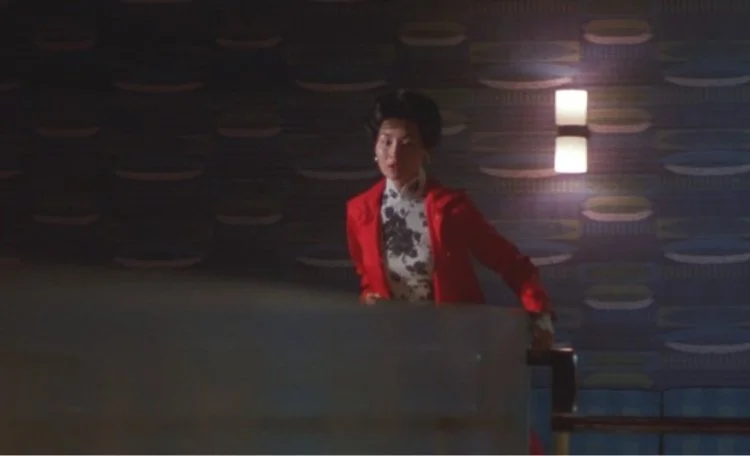
Dress 15
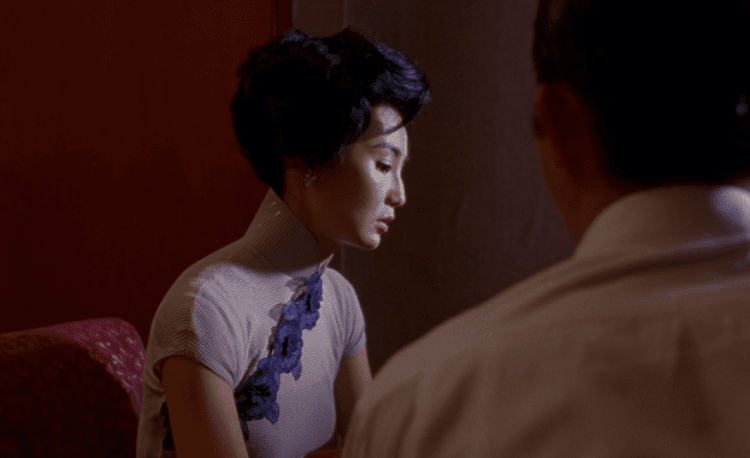
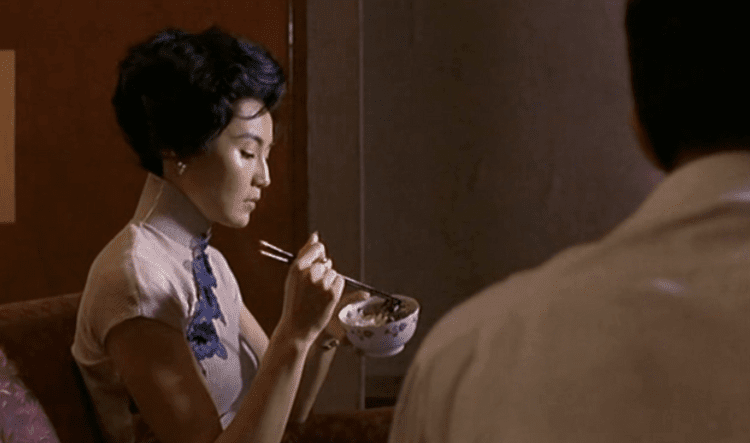
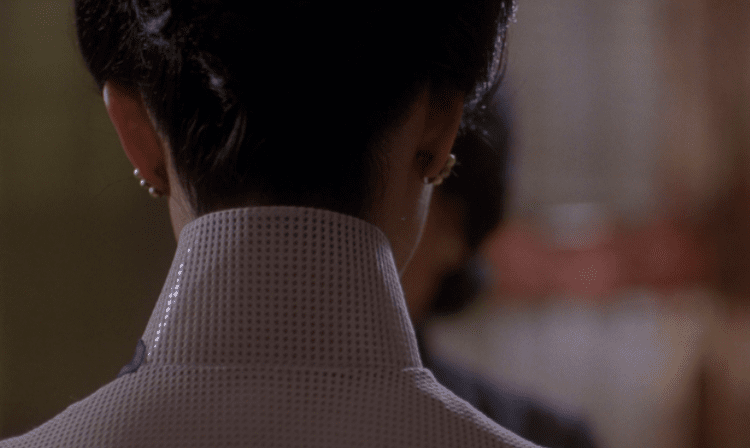
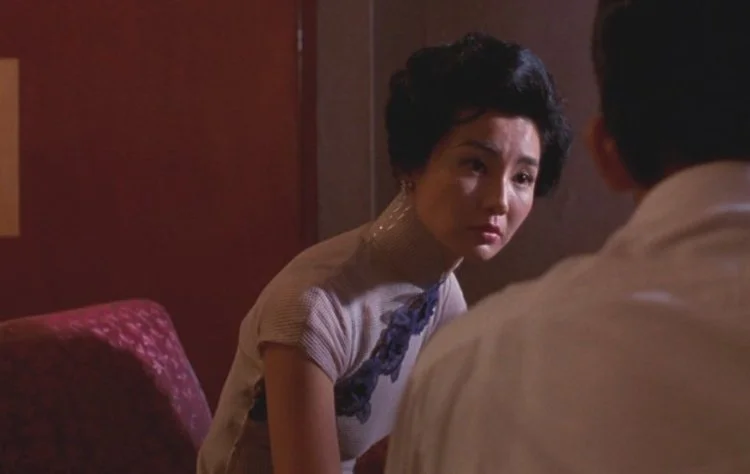
Dress 16
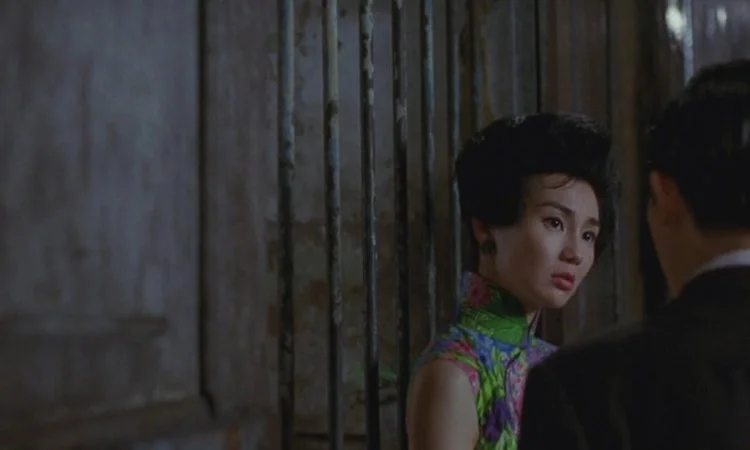
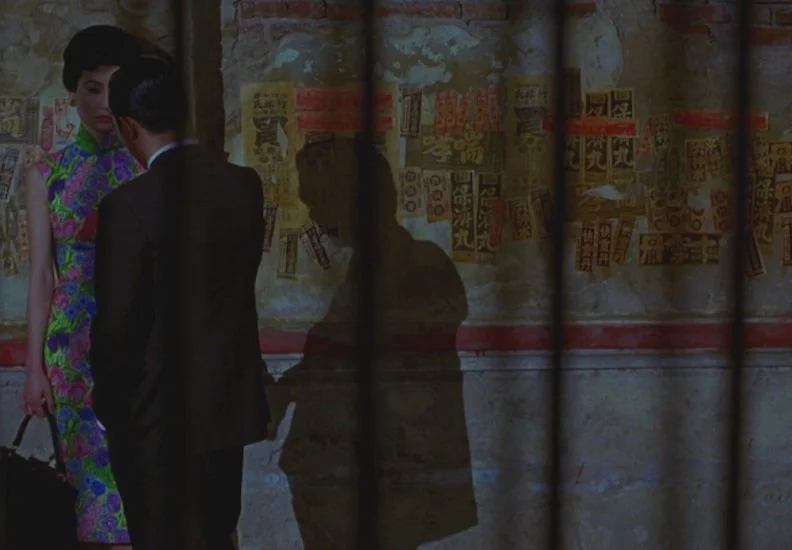
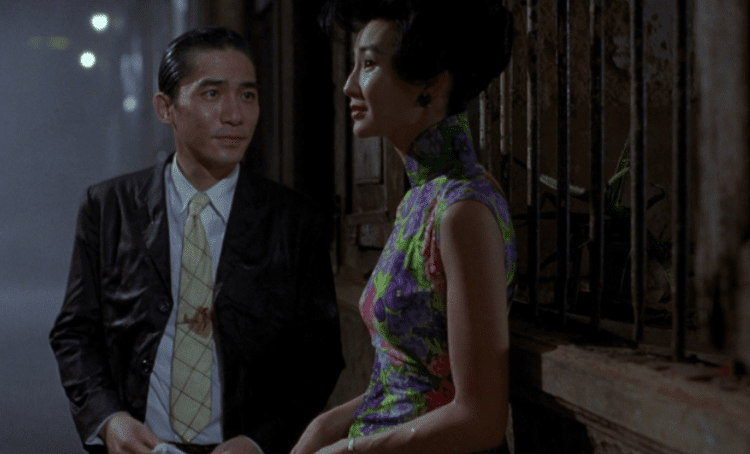
Dress 17
Dress 18
Dress 19
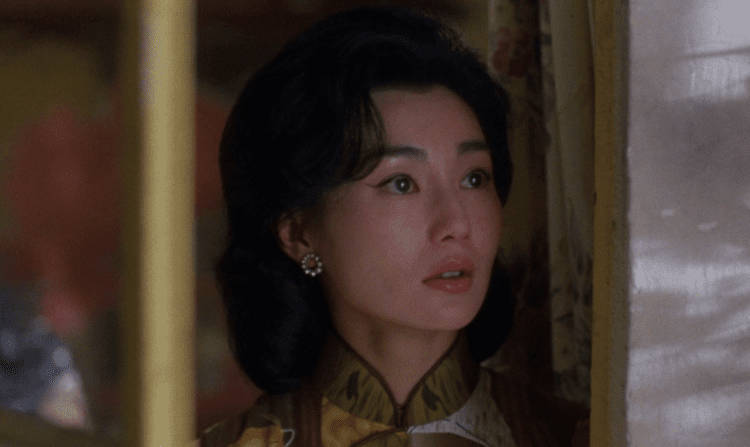
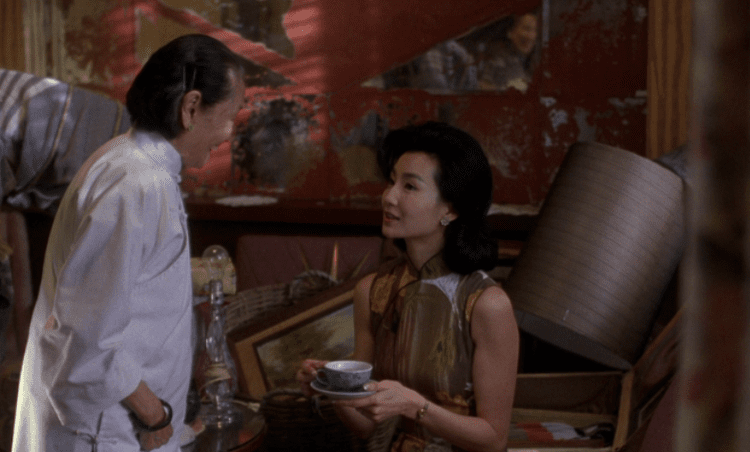
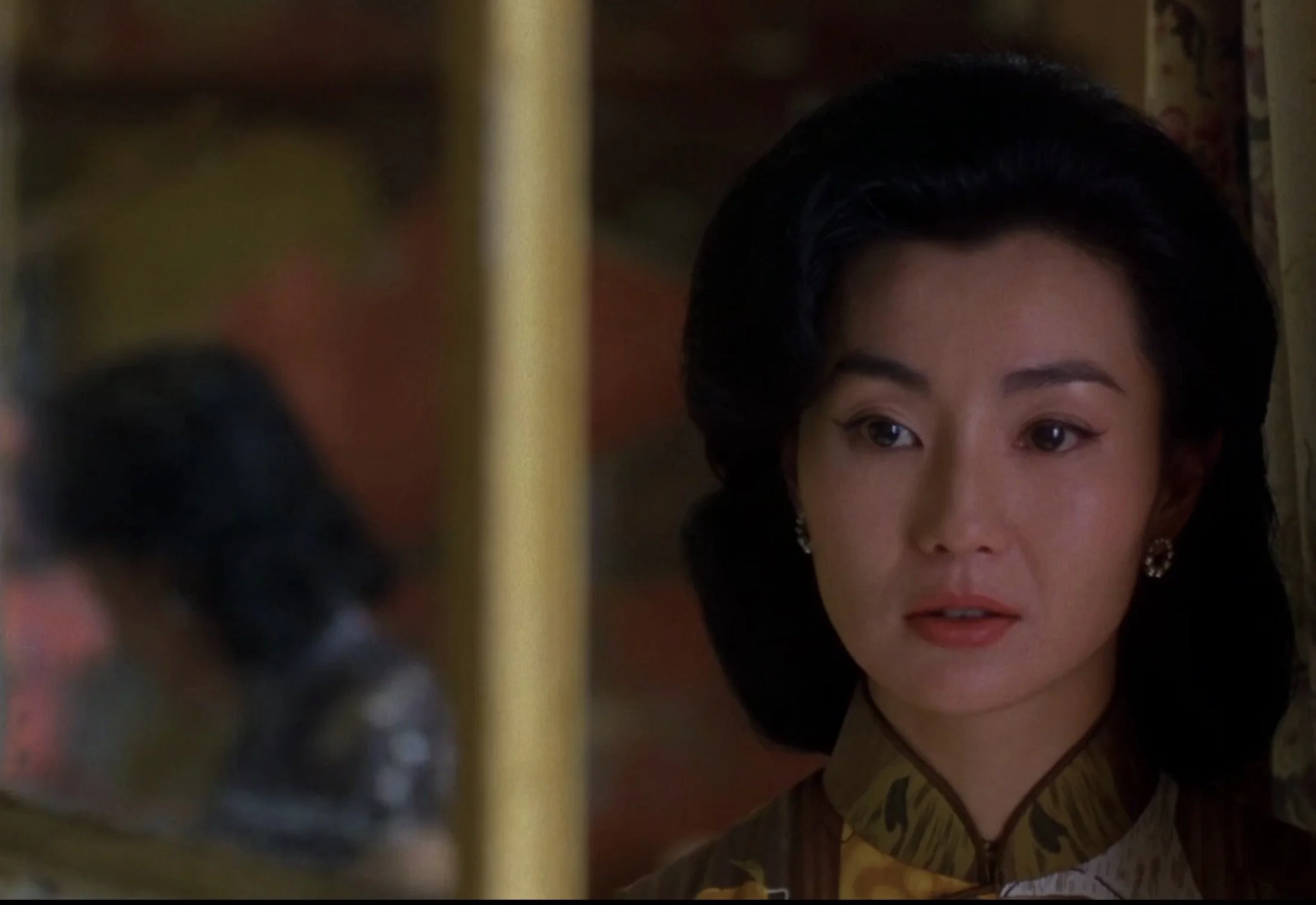
Dress 20
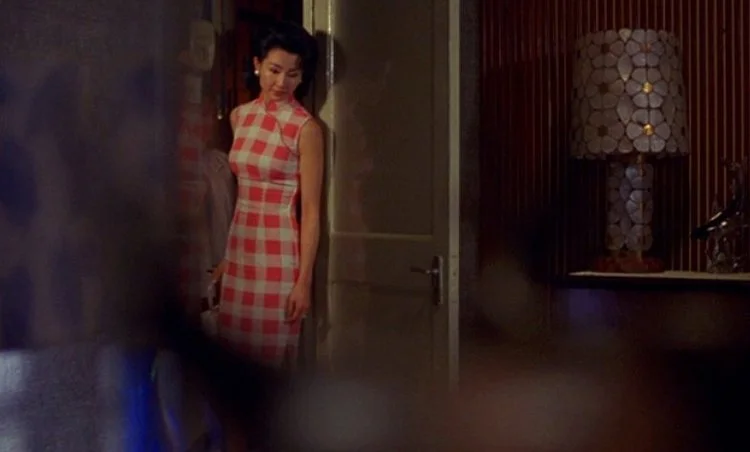
Dress 21
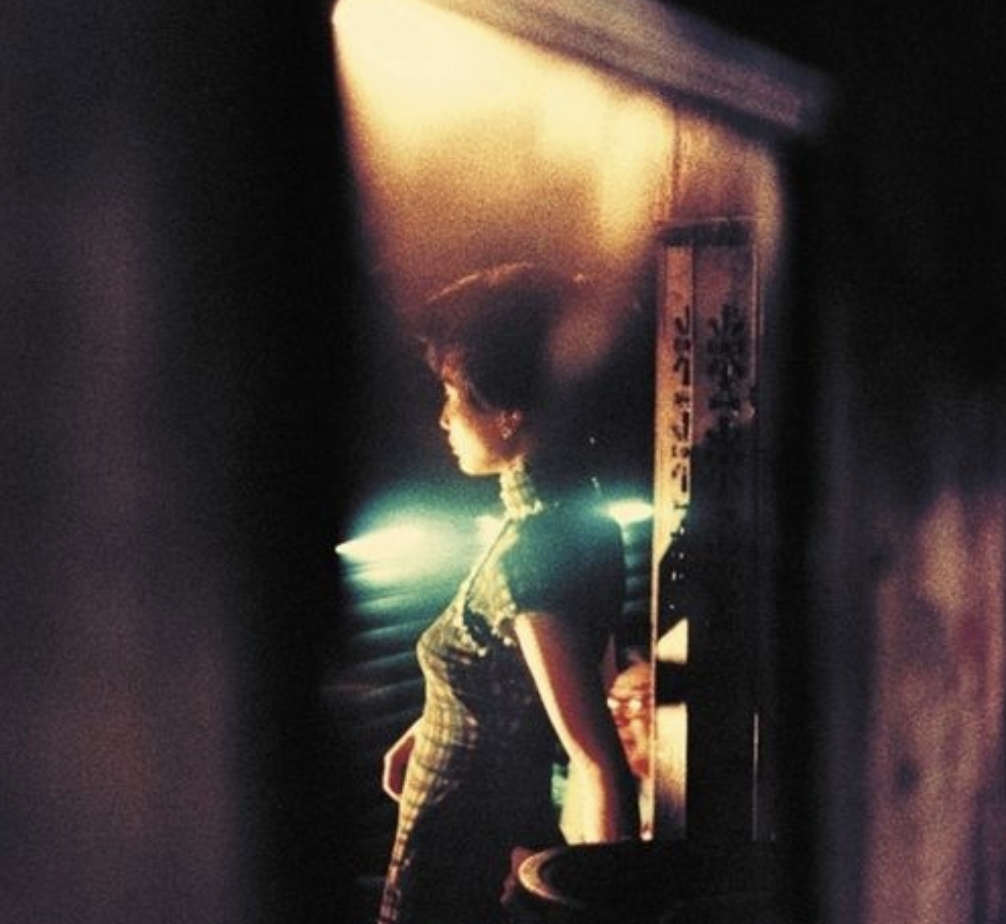
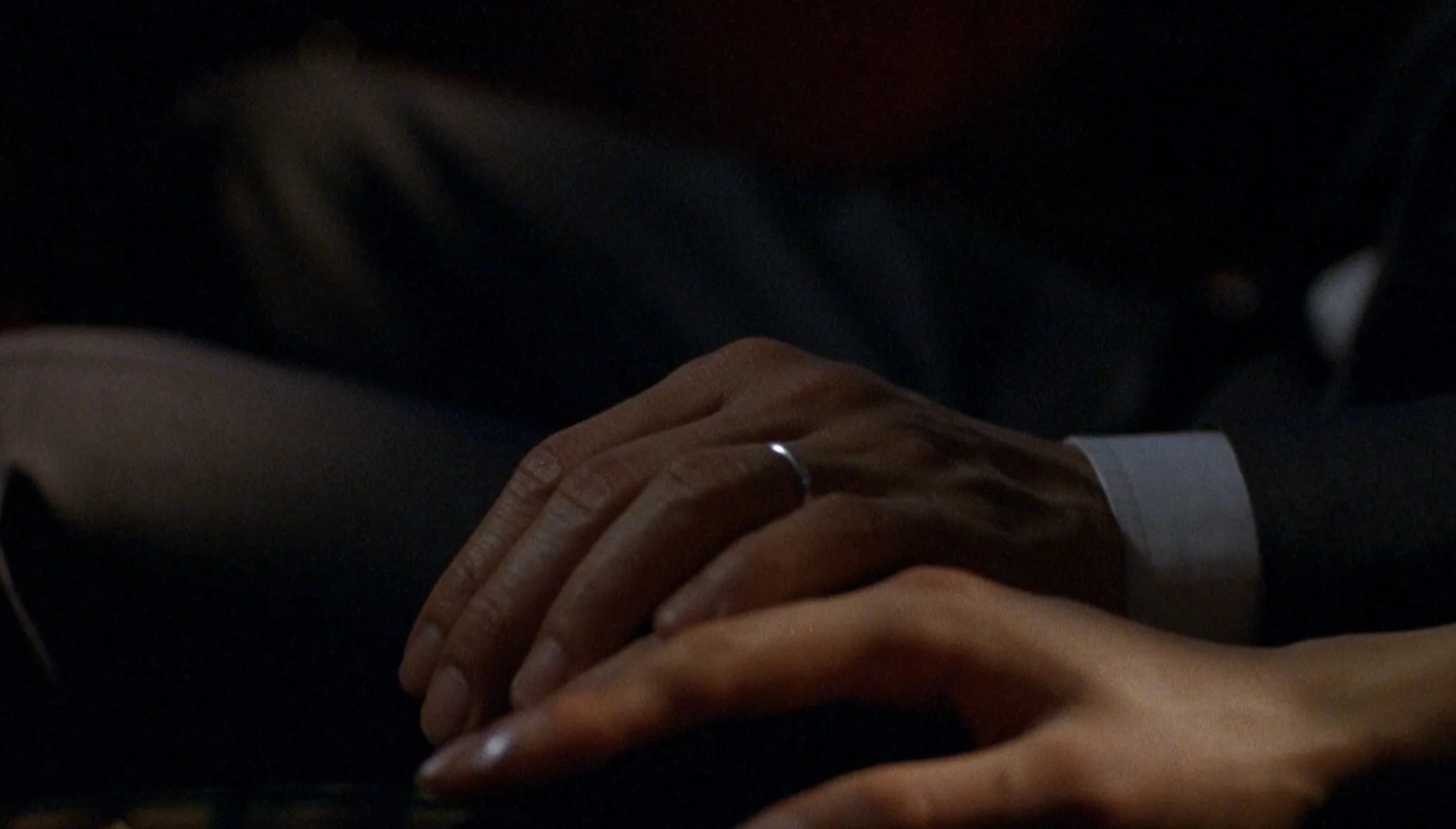
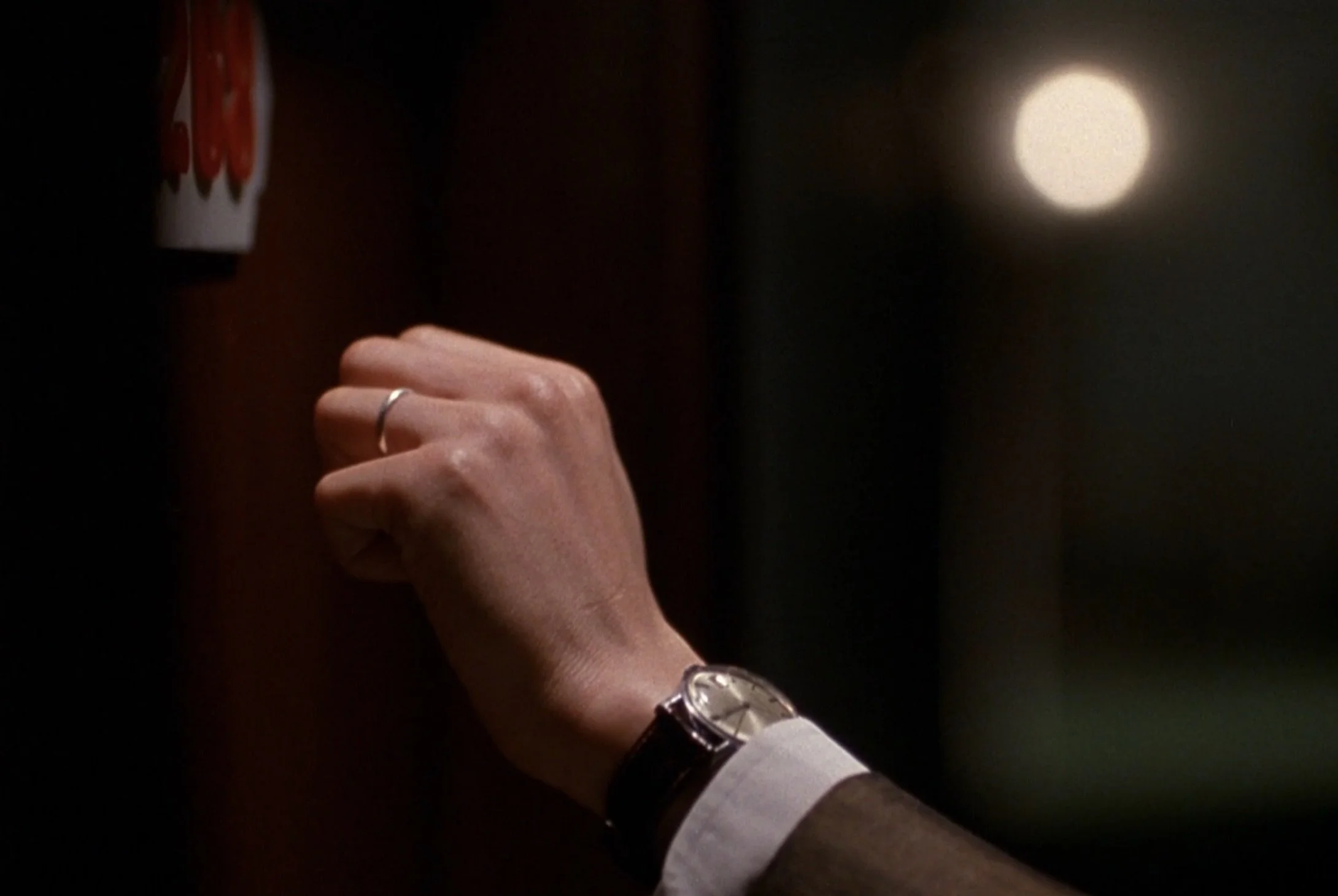
It’s the love that never happens. It’s everything that could’ve bloomed but didn’t. The film aches with moments suspended in amber: glances aborted, hands retracted, doors not knocked on. Where every gesture is a compromise, every glance a risk, and every unspoken word must just remain.
This love connection is strangled by timing, propriety, and fear. And because they do the “right” thing, they’re left with nothing but memory. Seduction by subtraction. It's a masterclass in the eroticism of denial, the luxury of longing.