GOAT
Matriarchs of Good Housekeeping
popJellyNYC always celebrates:
The invisible mental load
The cyclical nature of labor
The endless erase/rinse-and-repeats
Isolation vs. connection
The identity behind the labor
I feel like domestic work is only noticed when it goes undone; when executed perfectly, it is completely invisible. Yet even the most mundane household tasks require continuous cognitive labor. Domestic work resets daily, creating a unique relationship with time and repetition. Feelings of physical or social isolation are often expected, because balancing personal identity, creative impulses, and individual desires with the self-sacrificing demands of maintaining a household can be a recipe for immense unhappiness.
Simply put, we celebrate the laborer. This is why I want to tell the story of the female goat herders of Yemen.
Goats aren't like sheep—they don't follow a flock mindlessly. They’re highly intelligent, opportunistic, independent, and notoriously chaotic, demanding a very specific set of human traits and practical skills. It makes complete sense that Bedouin women—particularly in regions like Hadhramaut, Yemen—run the goat-herding trade.
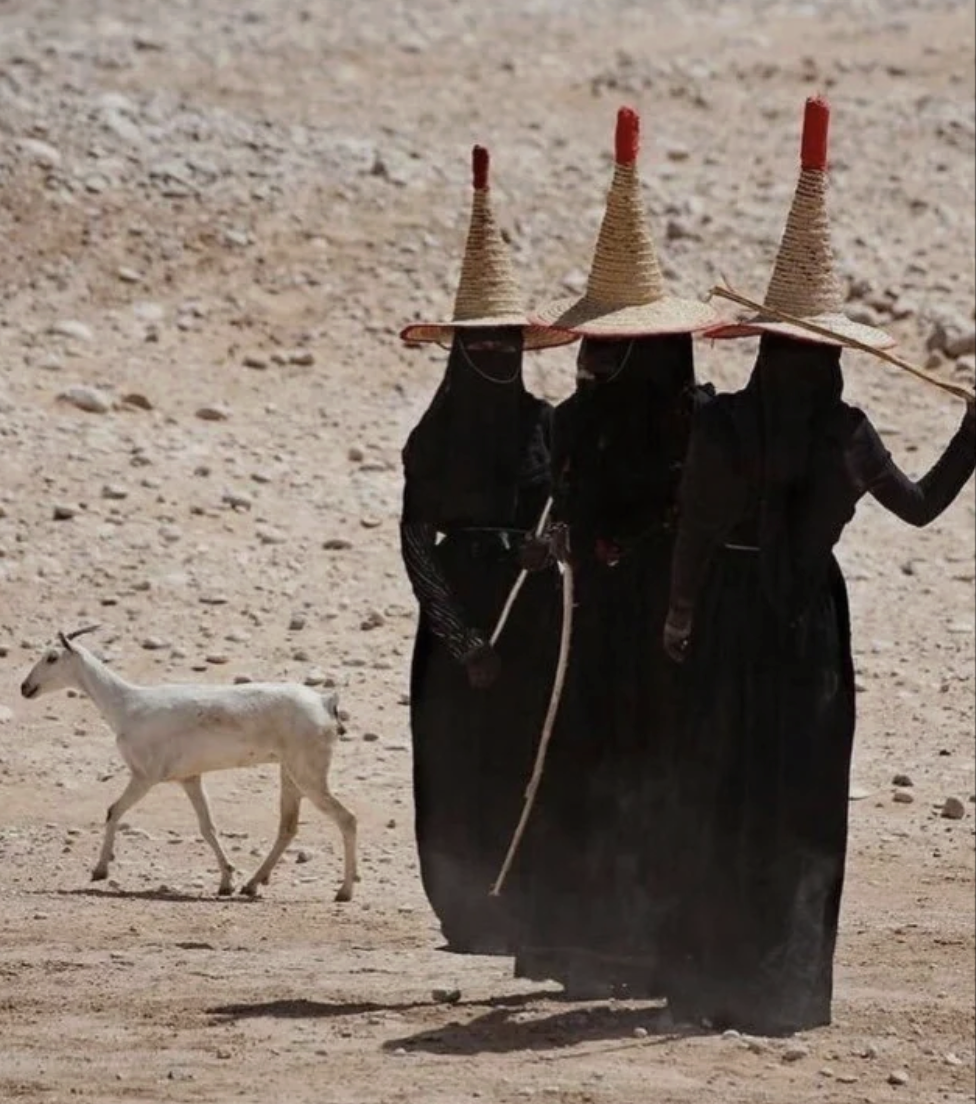
Being a skilled goat herder requires equal parts psychology (the art of influence), environmental navigation (knowing how to work a room), and physical endurance—all prerequisites to manage a flock of notoriously chaotic, sentient beings. In animal cognition and welfare science, sentience means the capacity to experience conscious feelings, including pain, pleasure, fear, joy, and emotional bonds. And yes, goats are absolutely sentient.
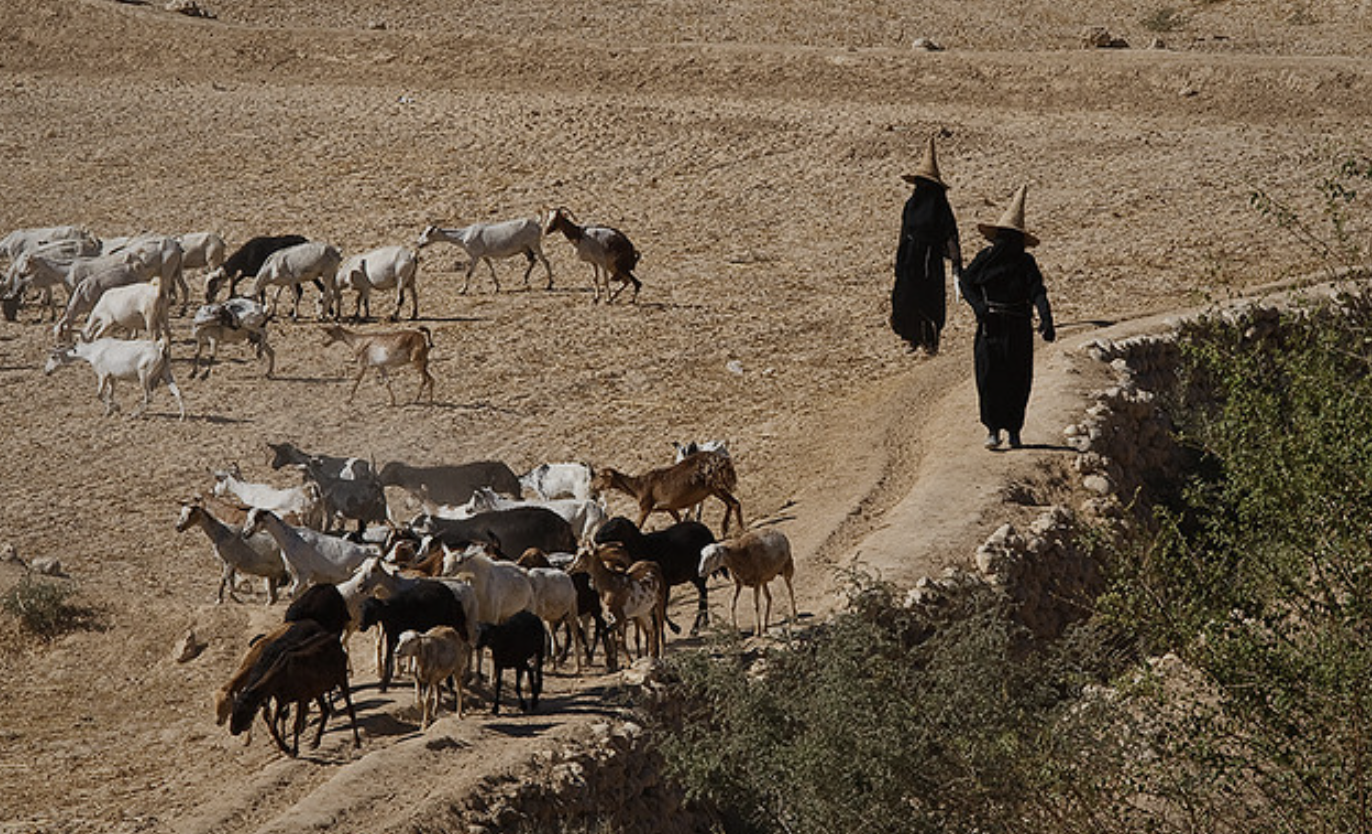
Betty Friedan’s ethnocentric argument suggests that domestic work inherently stifles women's intellectual and personal development. Granted, she was speaking specifically about mid-century suburban housewives, but I’d argue that the female goat herders of Yemen are the Bedouin equivalent. Across geographical borders, historical eras, and economic levels, women who maintain homes navigate shared psychological realities, management duties, and social values.
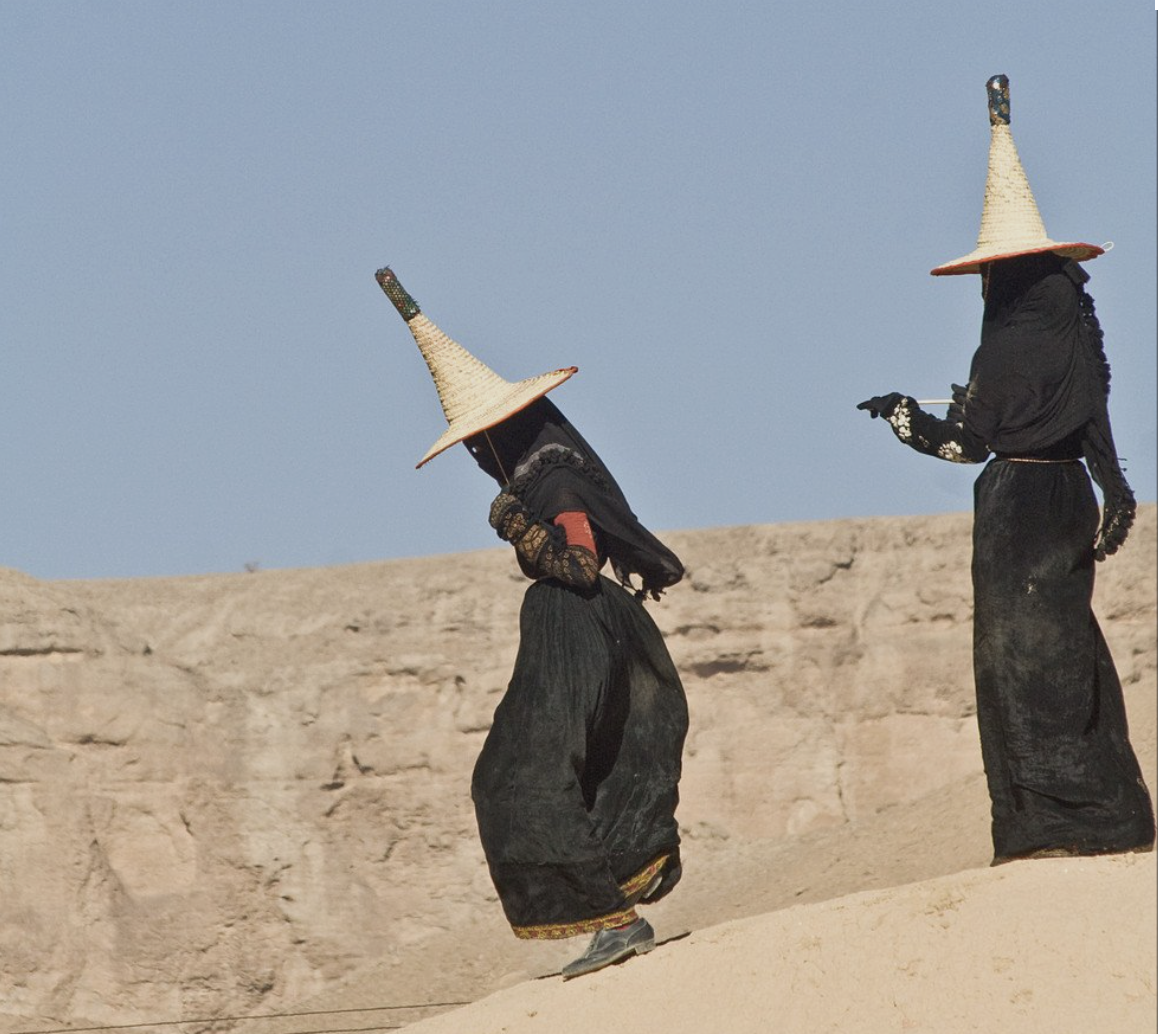
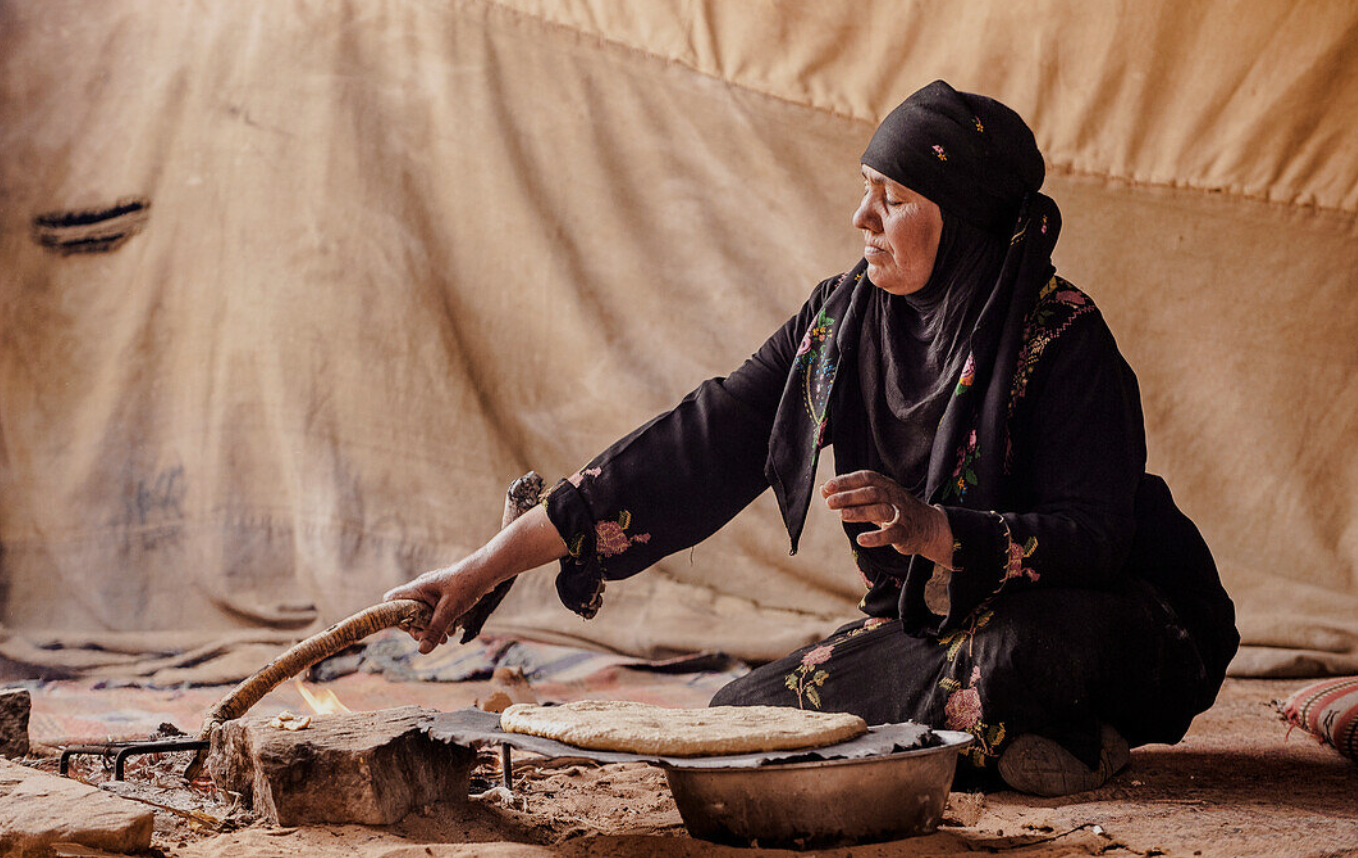
Bedouin women (derived from the Arabic badawī, meaning "desert dweller") deeply value safety and refuge. Their homes aren’t just physical shelters, but family sanctuaries against external stress and chaos. They act as stewards, transforming gathered resources—whether food, budget, or space—into sustenance, order, and well-being. Women are typically the primary custodians of traditions, family memories, social rituals, and foundational values passed to the next generation. Universally, maintaining the efficiency and harmony of a domestic sanctuary remains a point of deep pride.
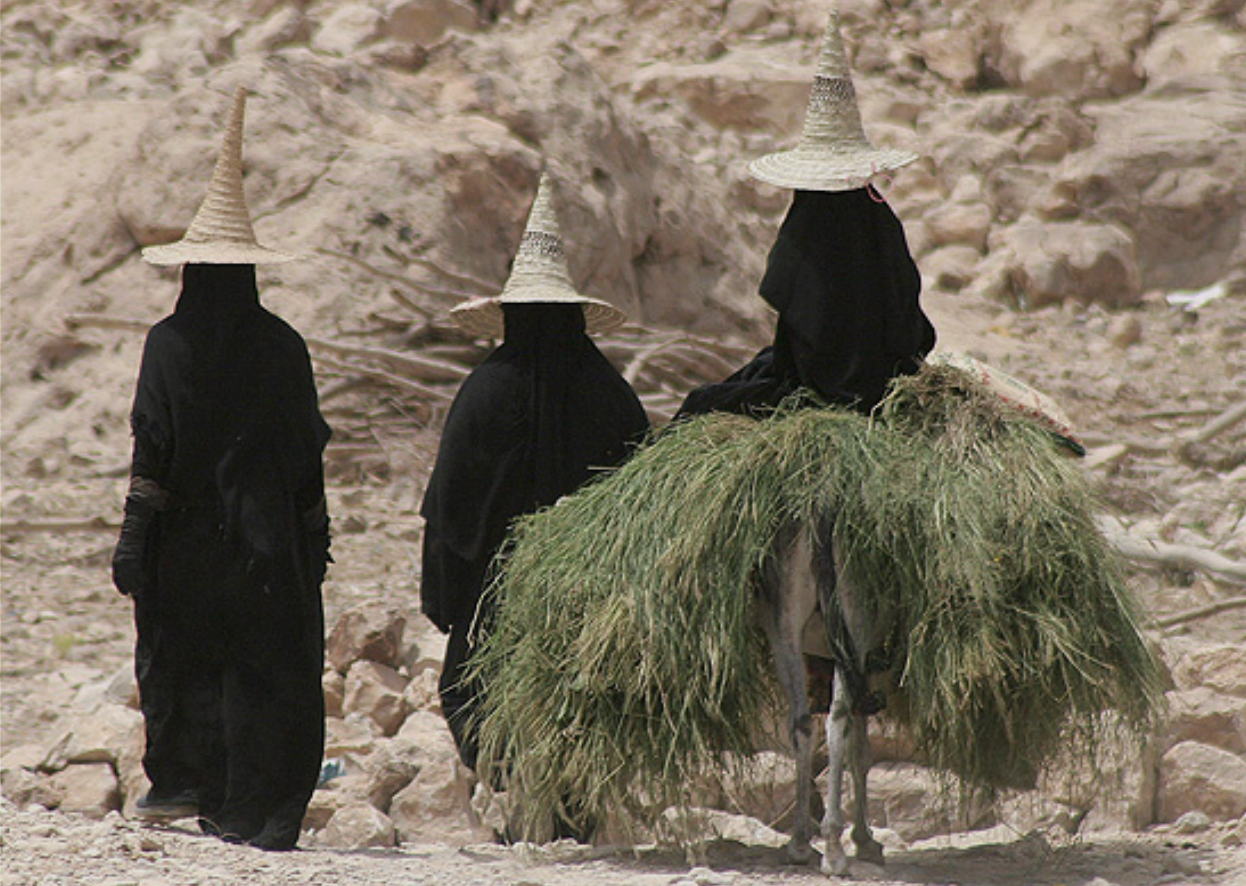
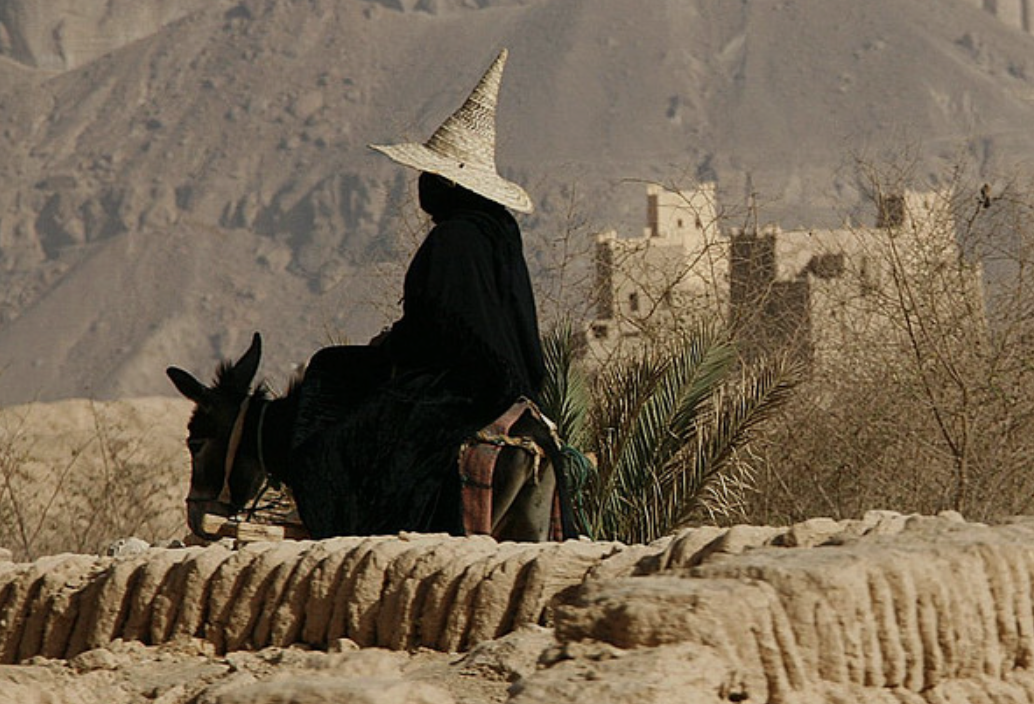
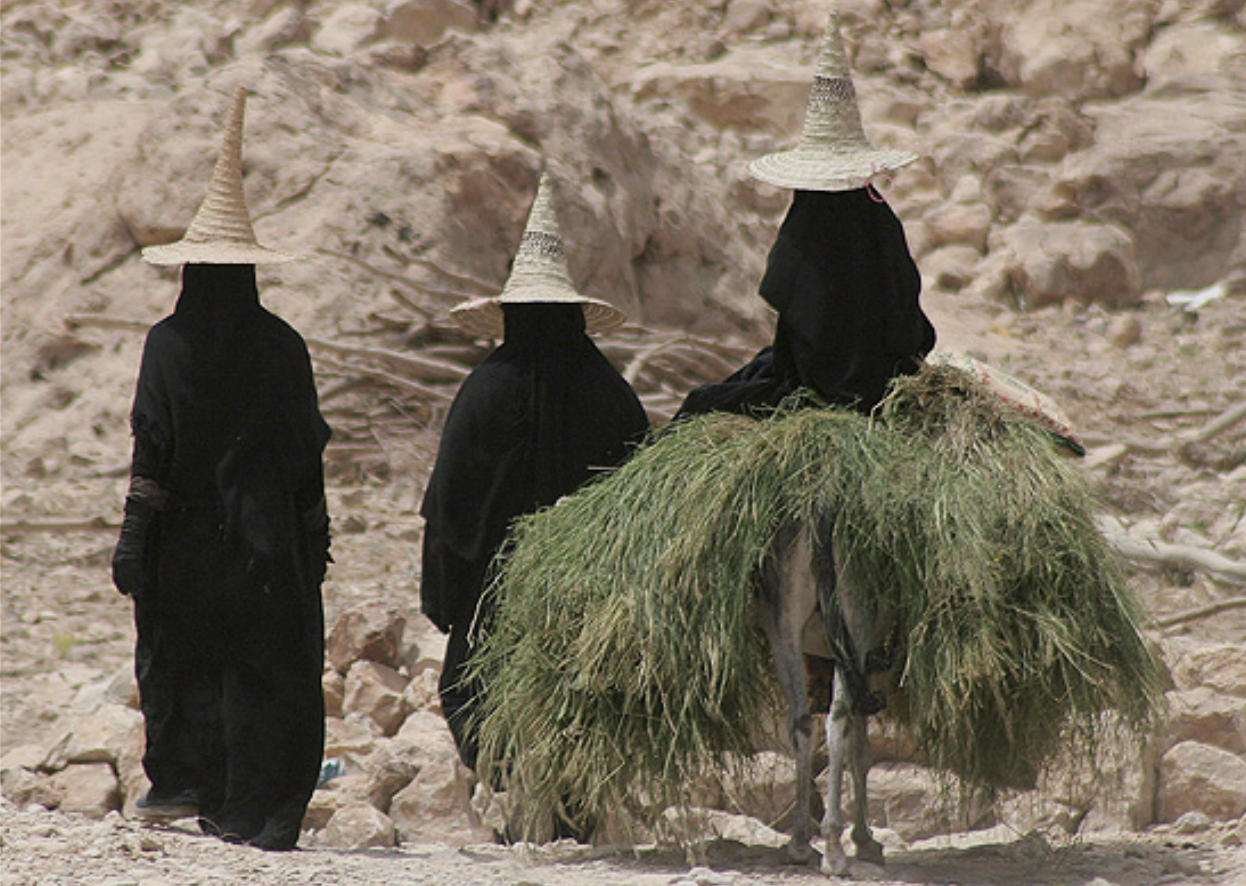
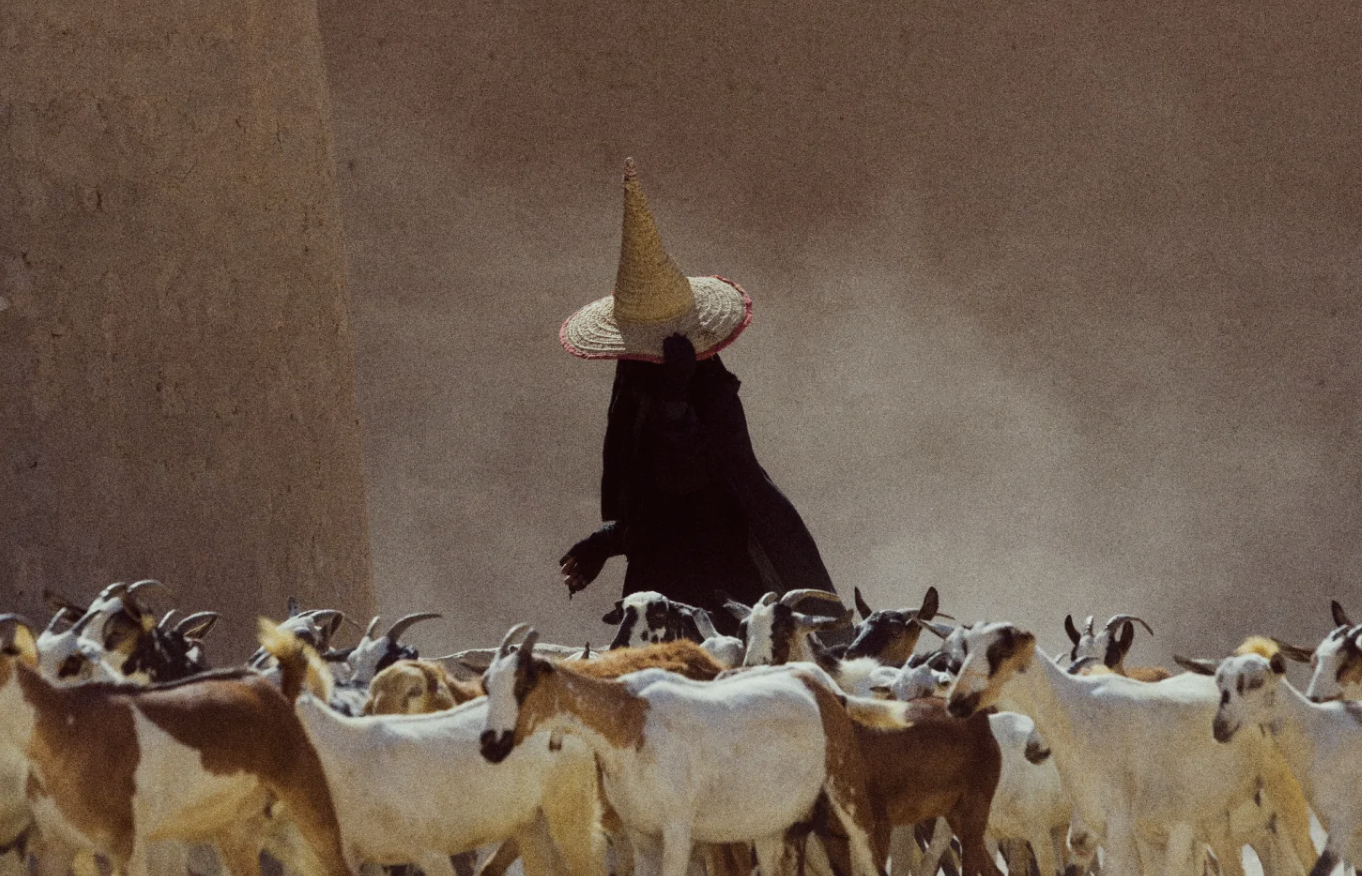
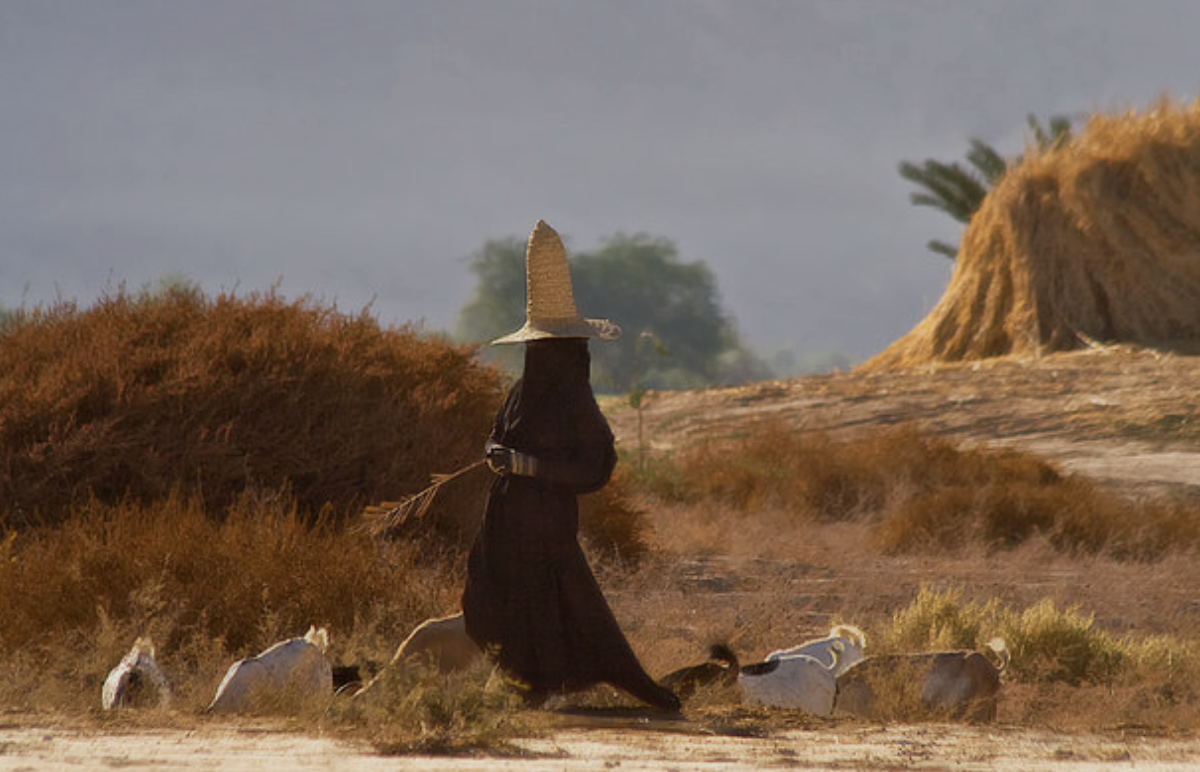
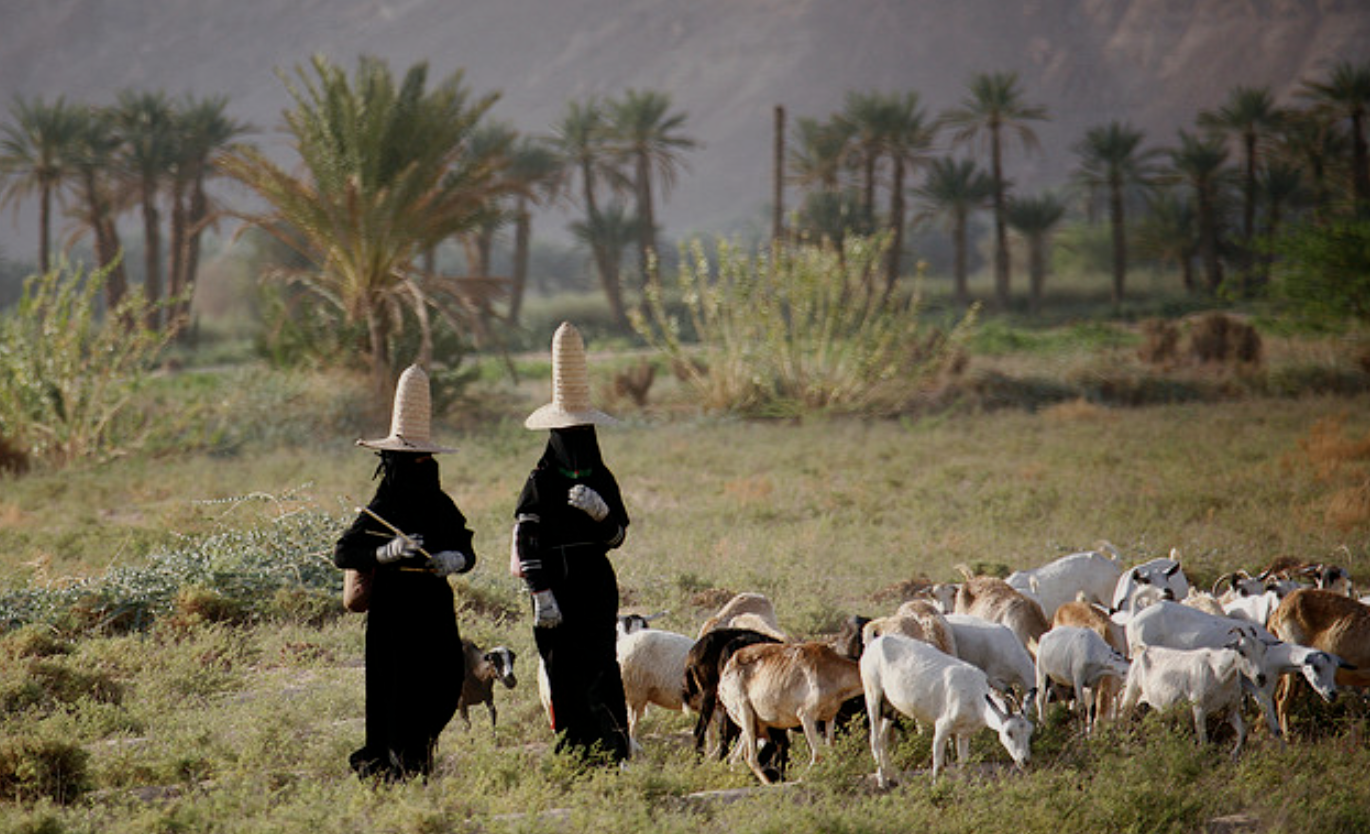
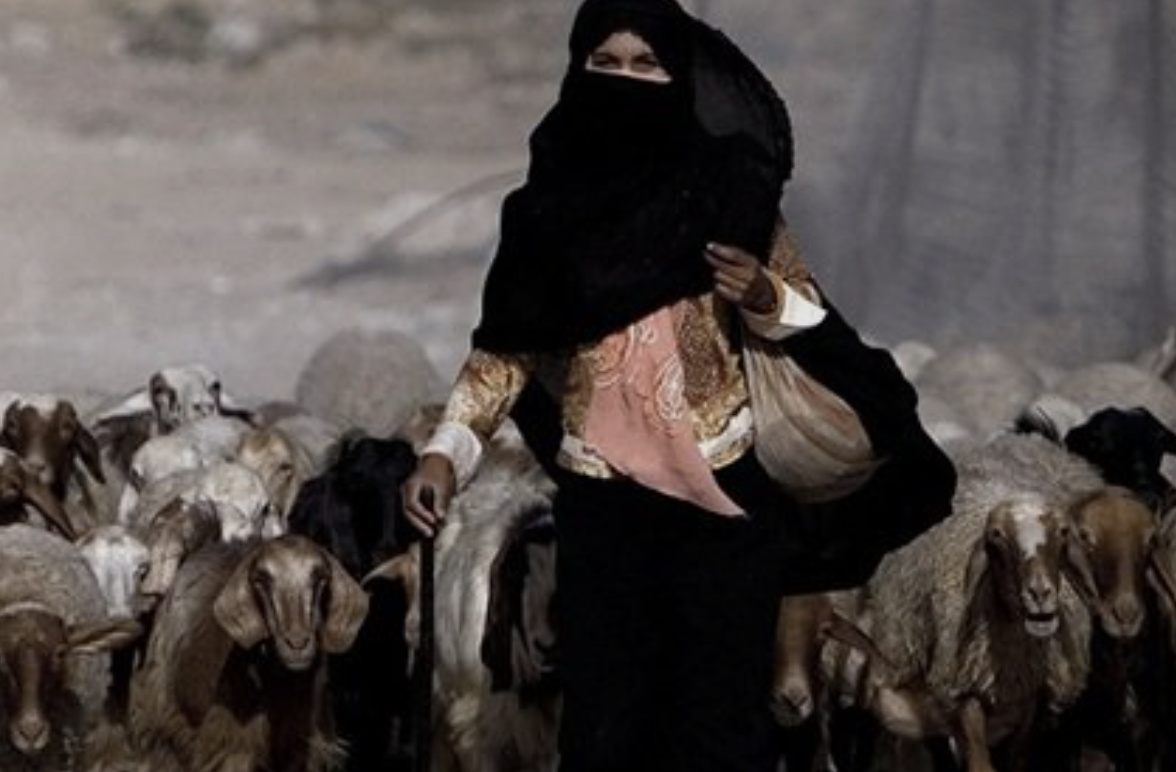
Admittedly, when I first saw a photo of these herders, I was captivated by their striking attire: heavy black abayas, full face veils, and high, cone-shaped straw hats known as modhalla (or ghomama). It is so visually breathtaking that my first thought was, "There’s no doubt Margiela, John Galliano, Alexander McQueen, Yohji Yamamoto, and Rick Owens (100% fo’ sho’) have copped this look." I’d bet my piggy bank that icons like Erykah Badu and Michèle Lamy saw these pastoral matriarchs and said, "That speaks to me."
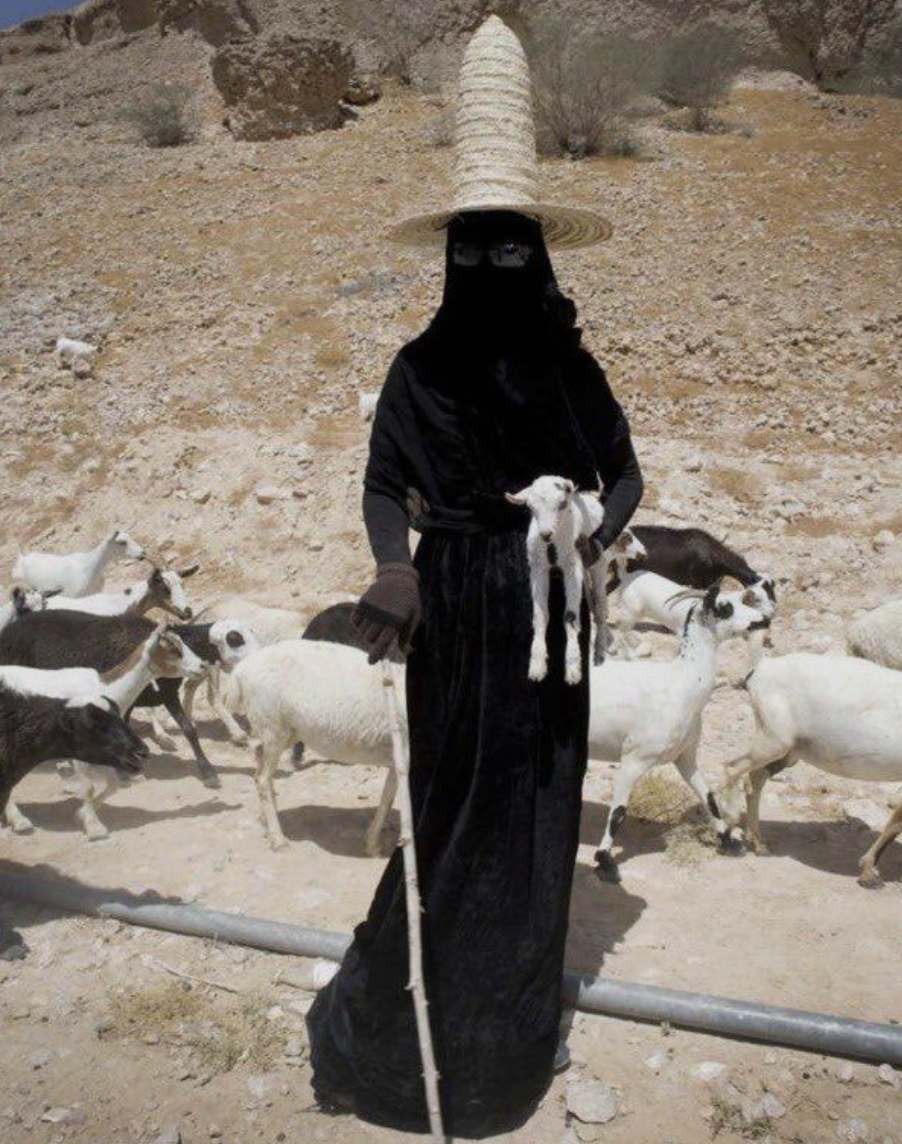

The Method: Labor on the Open Range
While modern urban domestic maintenance is hidden behind closed doors, these women perform the ultimate act of household labor completely out in the open.
The Daily Trek: Work begins at dawn. Herders inspect the flock, isolate the sick or pregnant, and trek 5 to 15 kilometers (3 to 10 miles) daily through extreme heat.
The Vocal Bond: Herding is a highly refined psychology, not brute force. Women use distinct rhythmic calls, whistling, and individual names. Goats recognize their herder’s pitch and scent, responding instantly without physical force.
Matriarch Navigation: Herders lead the flock by commanding a single dominant female—the lead goat. Once she moves, the chaotic herd follows.
Communal Waves: Women herd in pairs: the masar walks up front to guide the trail, while a partner sweeps behind to keep stragglers moving and guard against predators.
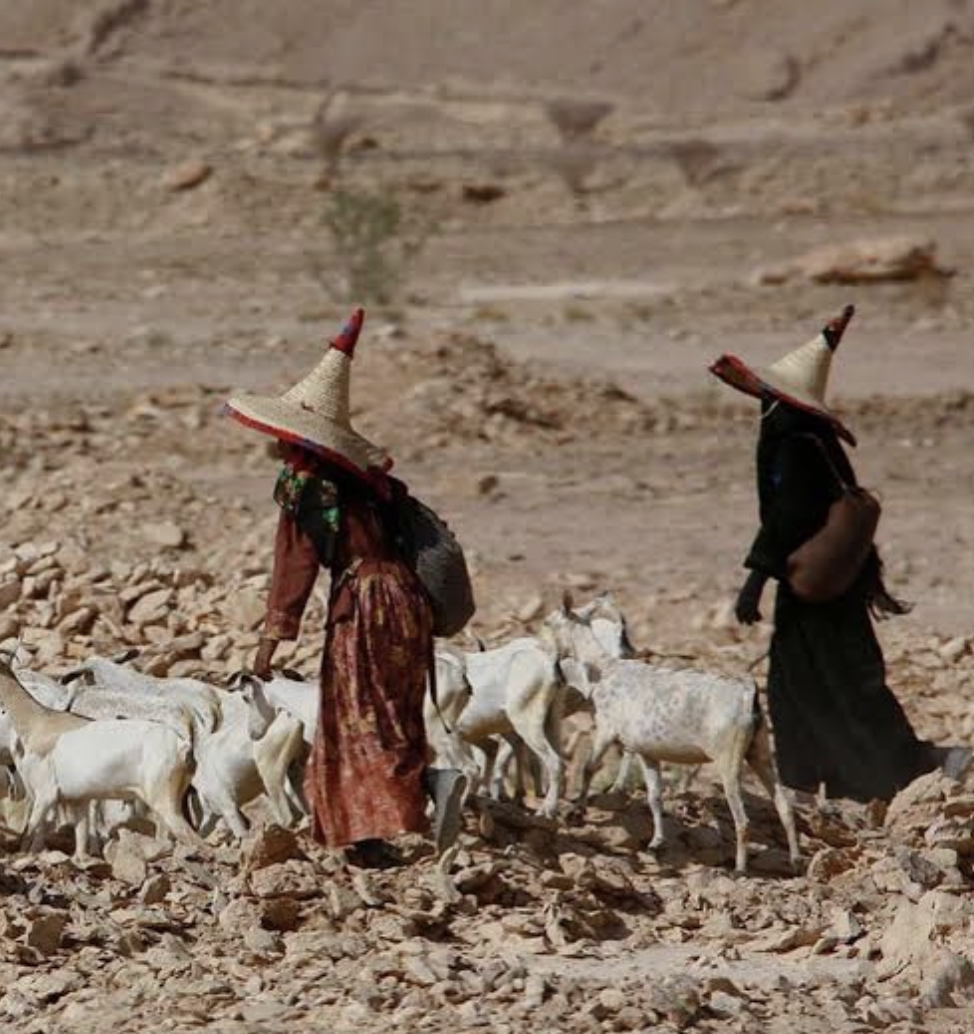
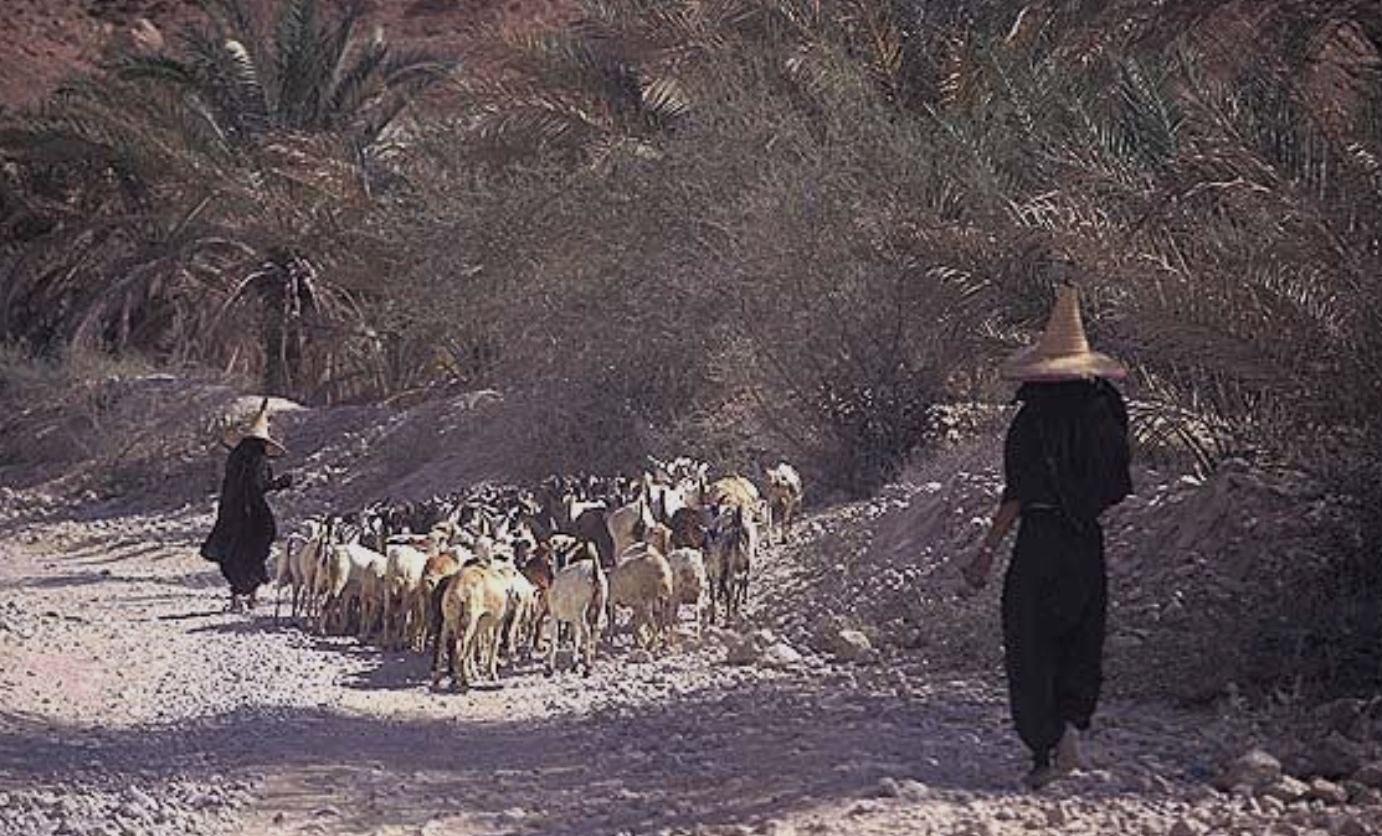
During seasonal relocations (Al-Rahlah), Bedouin women pack the heavy woven goat-hair tents (bayt al-sha'ar), load newborn kids into woven side-slung crates, and trek parallel to grazing corridors before pitching the next camp.
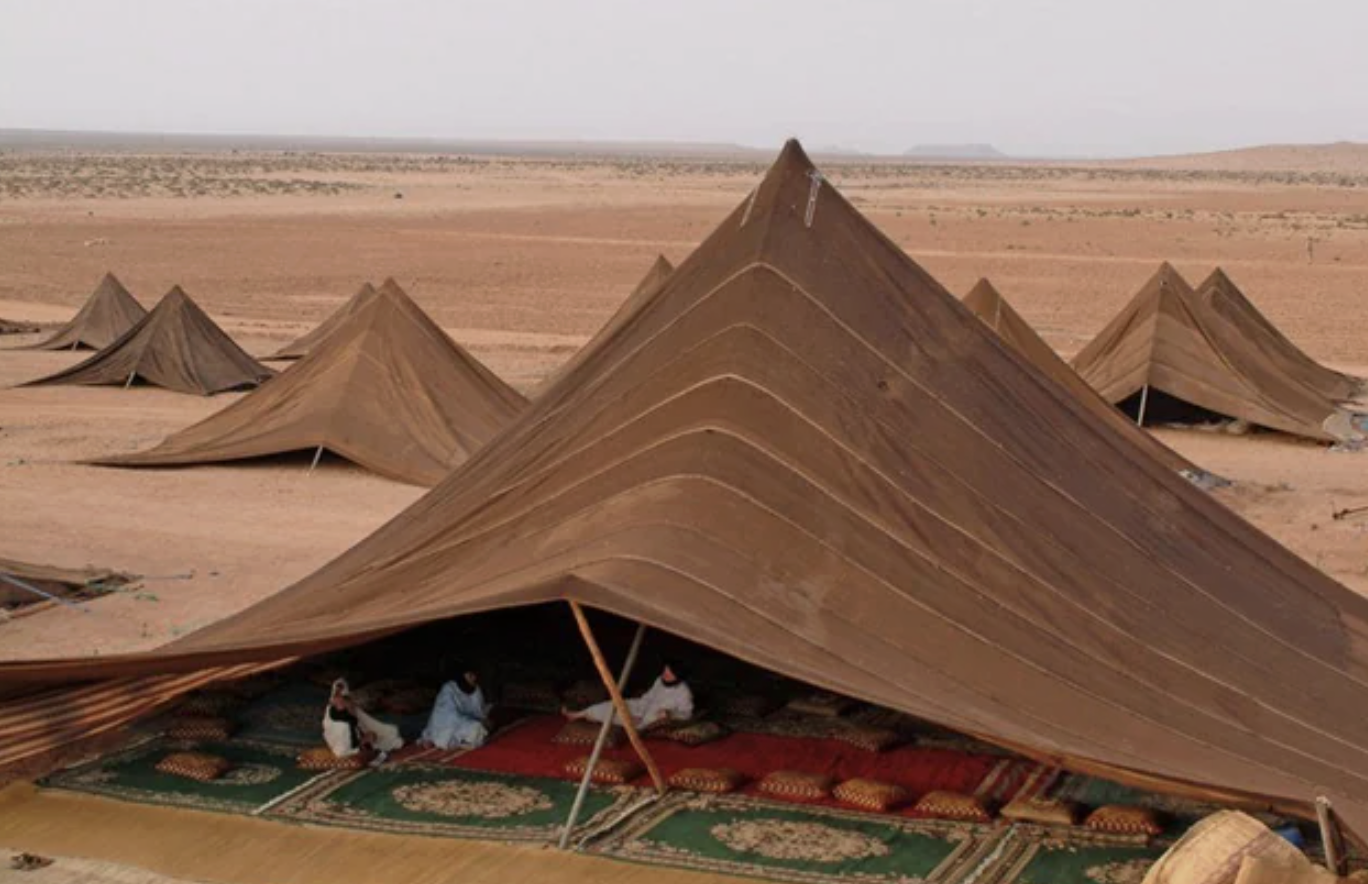
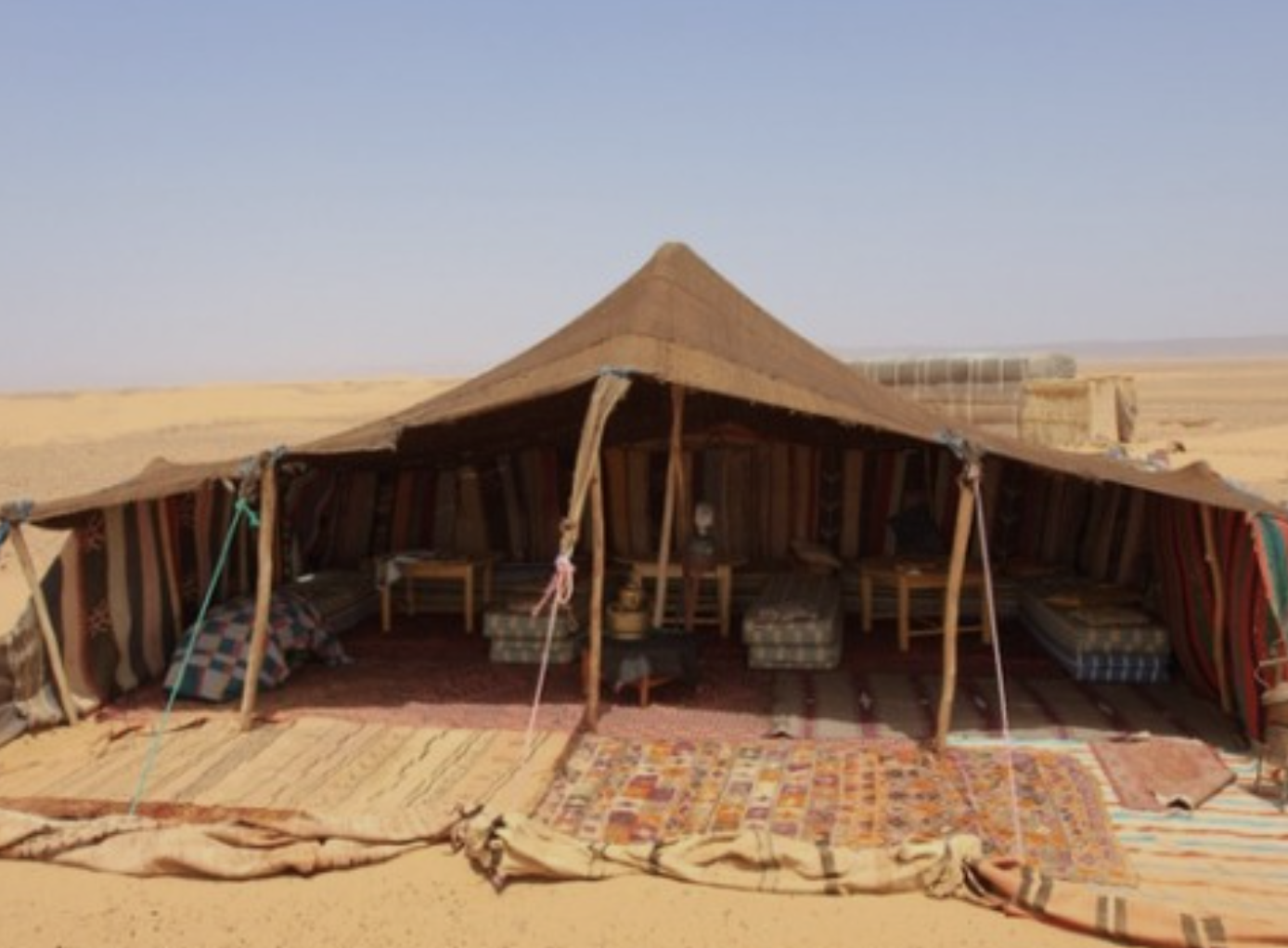
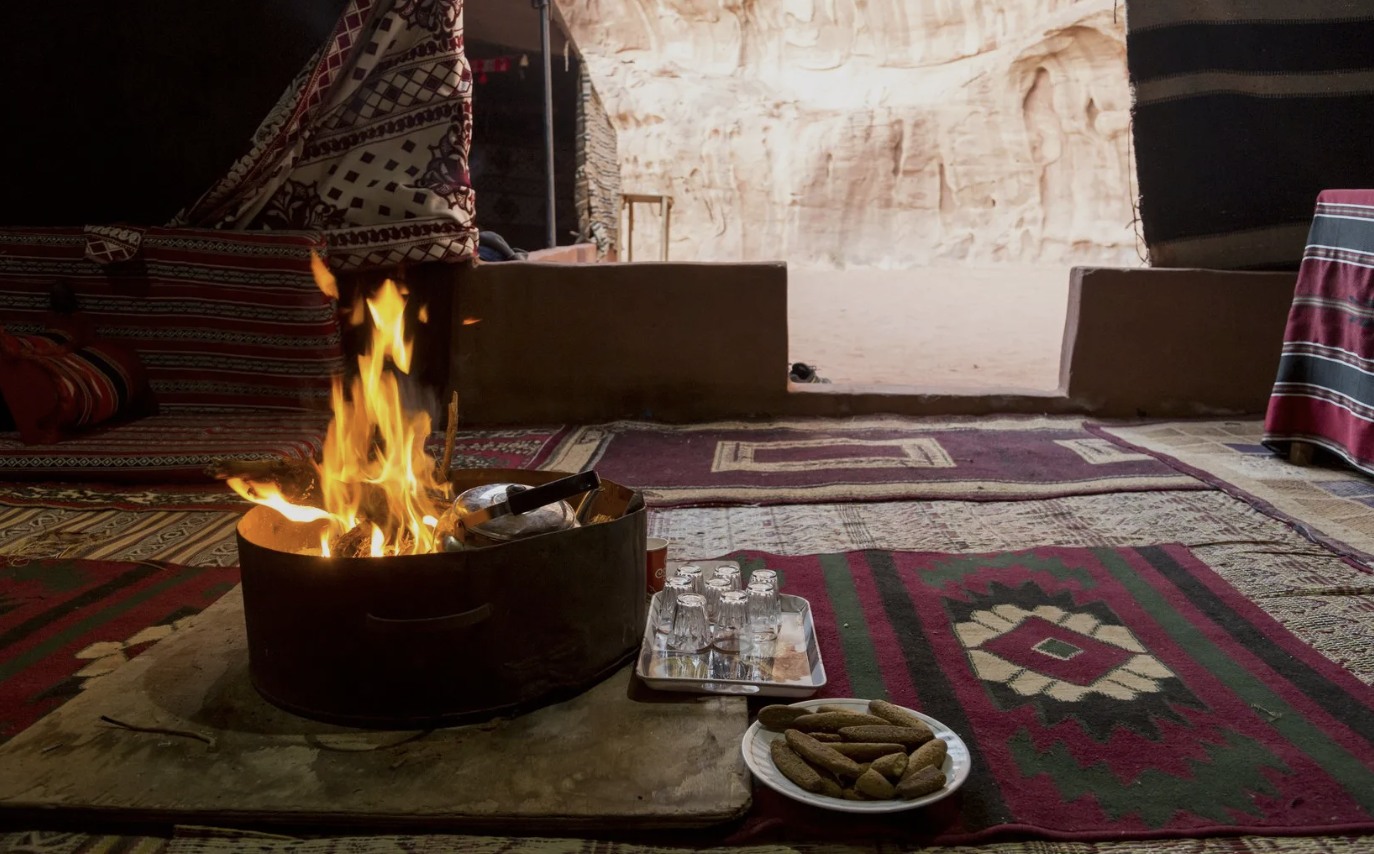
The Socio-Economic Contract
In rural Yemen, the division of labor is strictly defined:
The Division: Men handle market transactions, migrate to Gulf states for wage labor, or join the military. Women manage day-to-day grazing, nurturing, and domestic subsistence.
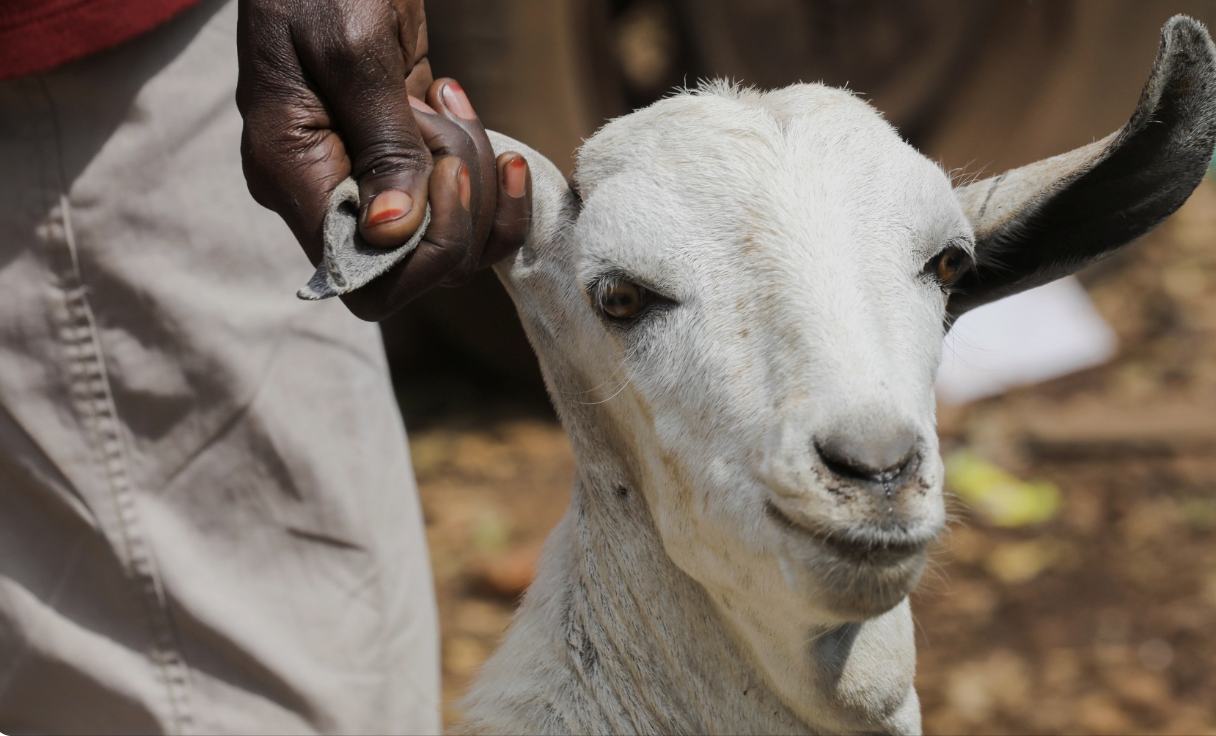
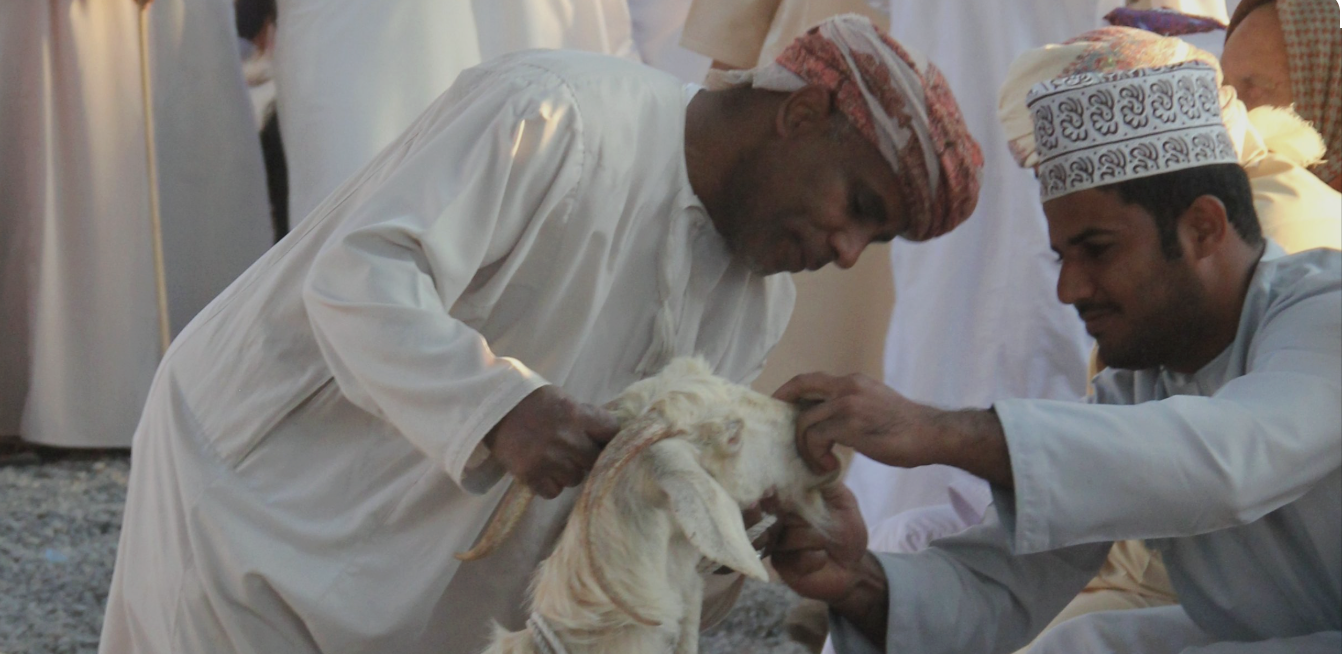
The Ritual Split: Taking a goat’s life (Dhabh) falls to men due to cultural taboos and Islamic slaughter customs—especially given the deep emotional bonds women build with the animals they raise. Once dispatched, however, women reclaim the carcass to process, season, and transform it into nourishing stews (Ogdah, Mandi, Maraq) or preserved jerky (Qadid).
A 30-Year Cycle of Mastery
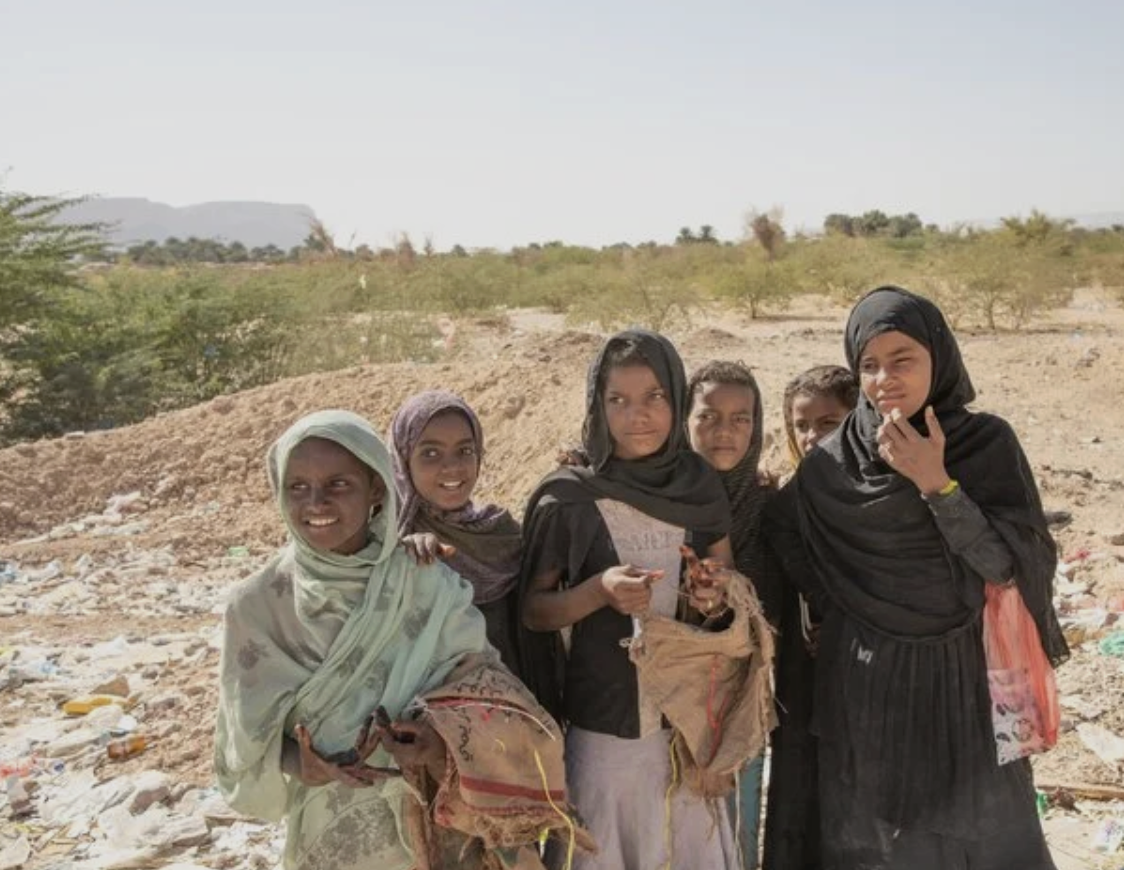
Apprenticeship (Ages 5–12): Young girls start by tending vulnerable kids (sakhal) near home, learning to mimic vocal calls and spot poisonous plants.
Peak Labor (Ages 13–45): Women take full responsibility, balancing grueling 15 km mountain treks with child-rearing and milking.
Matriarchal Oversight (Ages 45+): As younger women take over the physical trail, older matriarchs transition to supervisory roles—managing births, herbal remedies, and milk processing, serving as living archives of tribal knowledge.
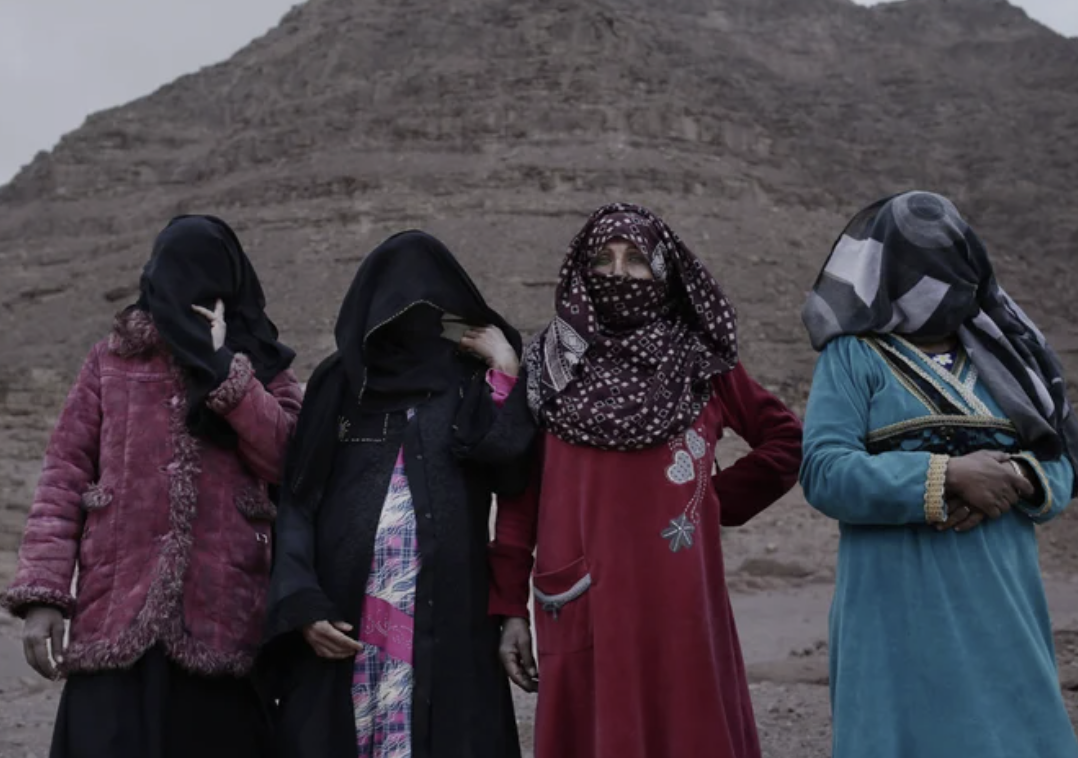
The Ultimate Tough Guy
These female goat herders wear the true nature of their labor on the outside. They are a high-contrast metaphor for human beings spending their lives in rigorous, continuous, self-sacrificing repetition to sustain life—making the invisible mental load impossible to look away from.
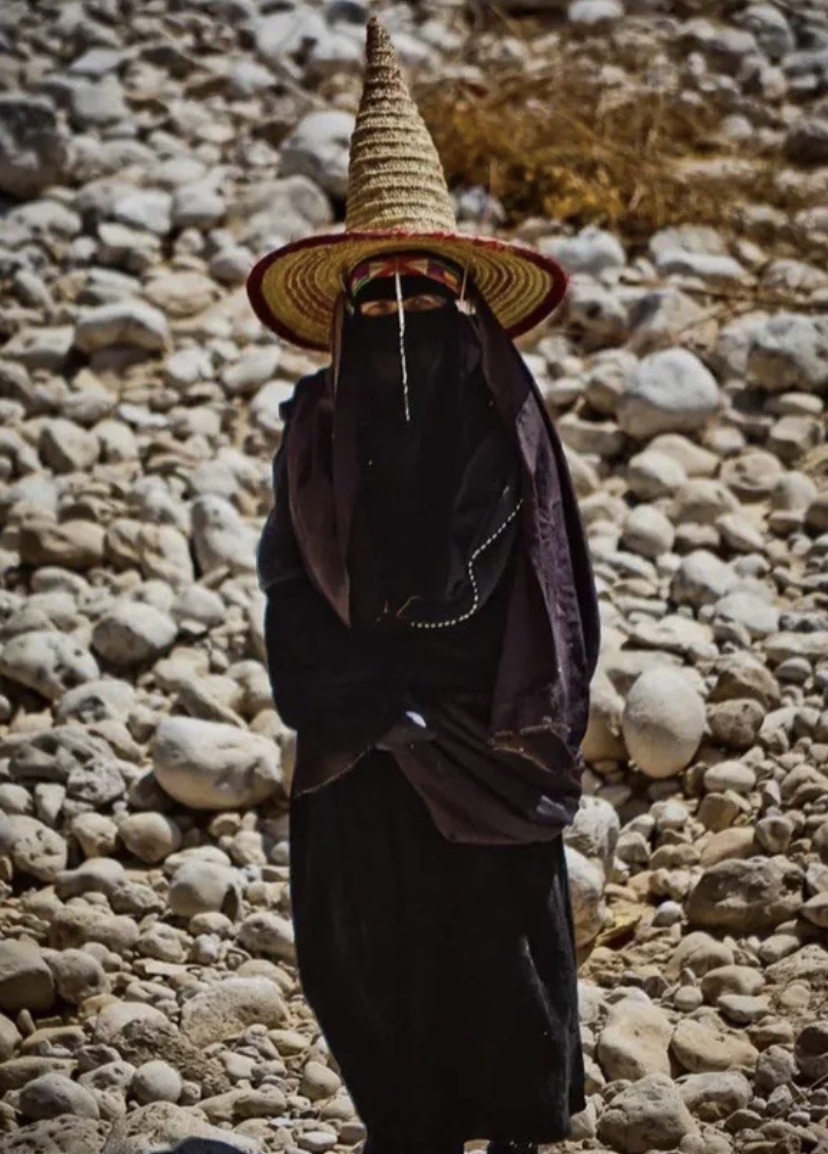
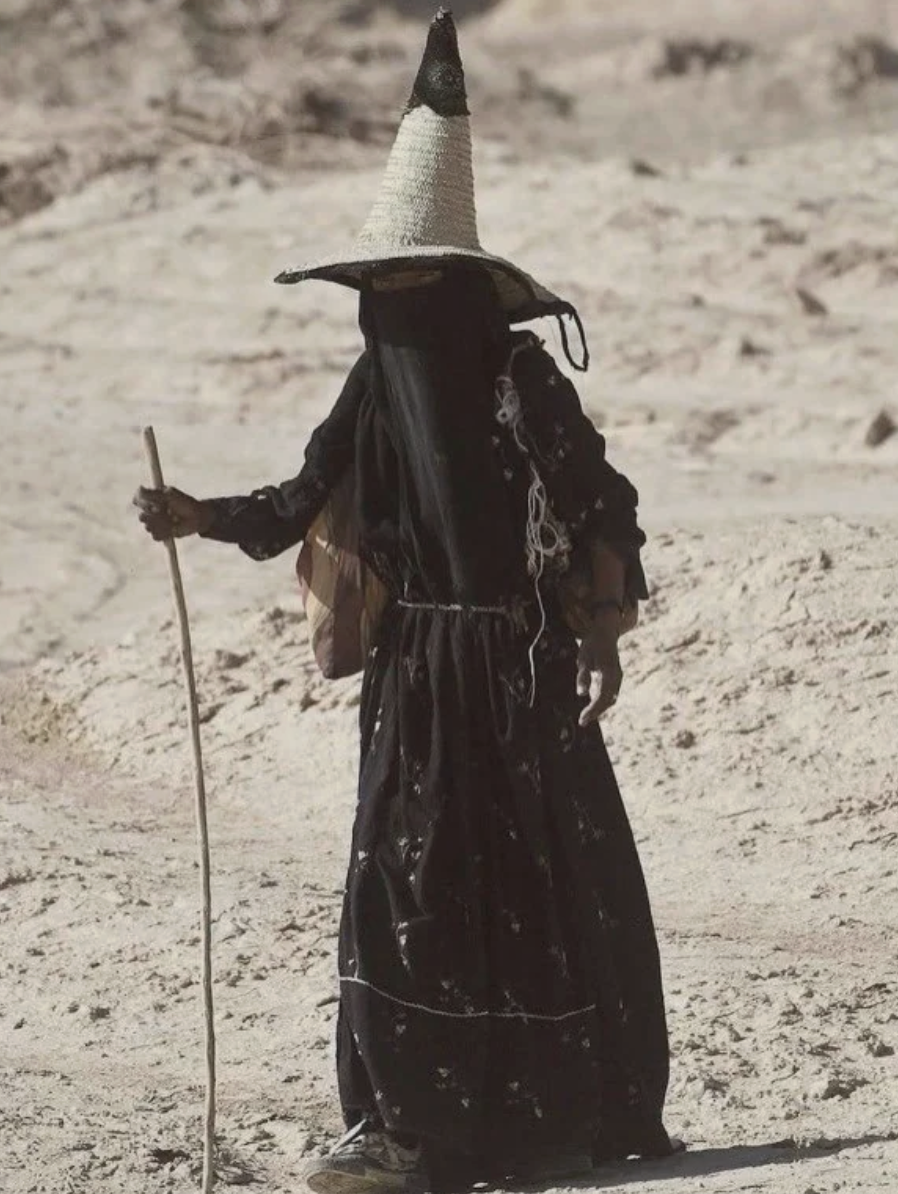
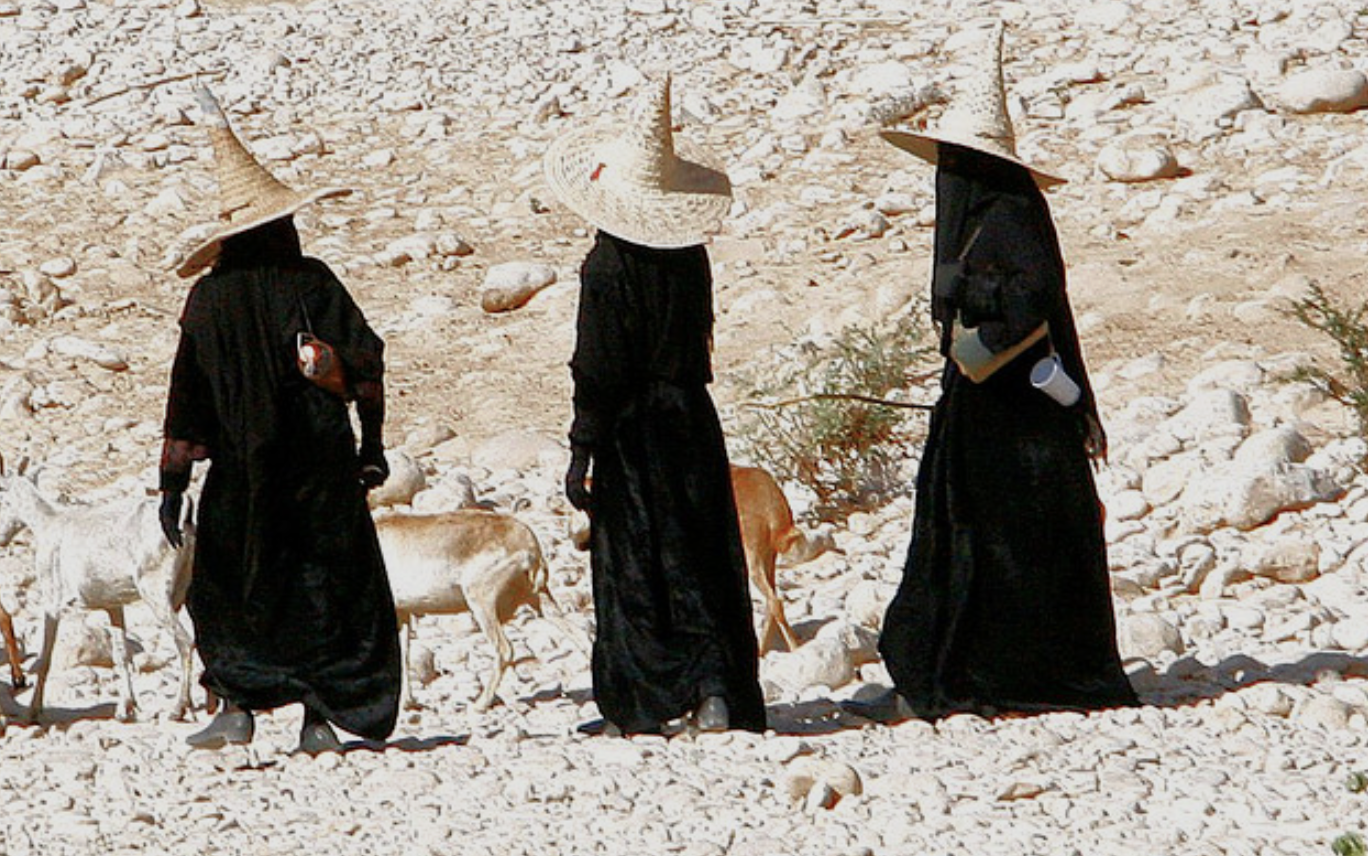
It brings to mind that iconic moment in A Bronx Tale (1993). After Lorenzo (Robert De Niro) marches into a bar to return mob money his young son earned, his son tearfully protests, "Sonny was right—the working man is a sucker, Dad!"
Lorenzo stops, pulls his son close, and delivers the ultimate truth about strength and heroism:
"He's wrong. It don't take much strength to pull a trigger. But try to get up every morning, day after day, and work for a living—let's see him try that. Then we'll see who's the real tough guy. The working man is the tough guy! Your father's the tough guy!"
These matriarchs of the desert prove it every single day.