A Band Called DEATH
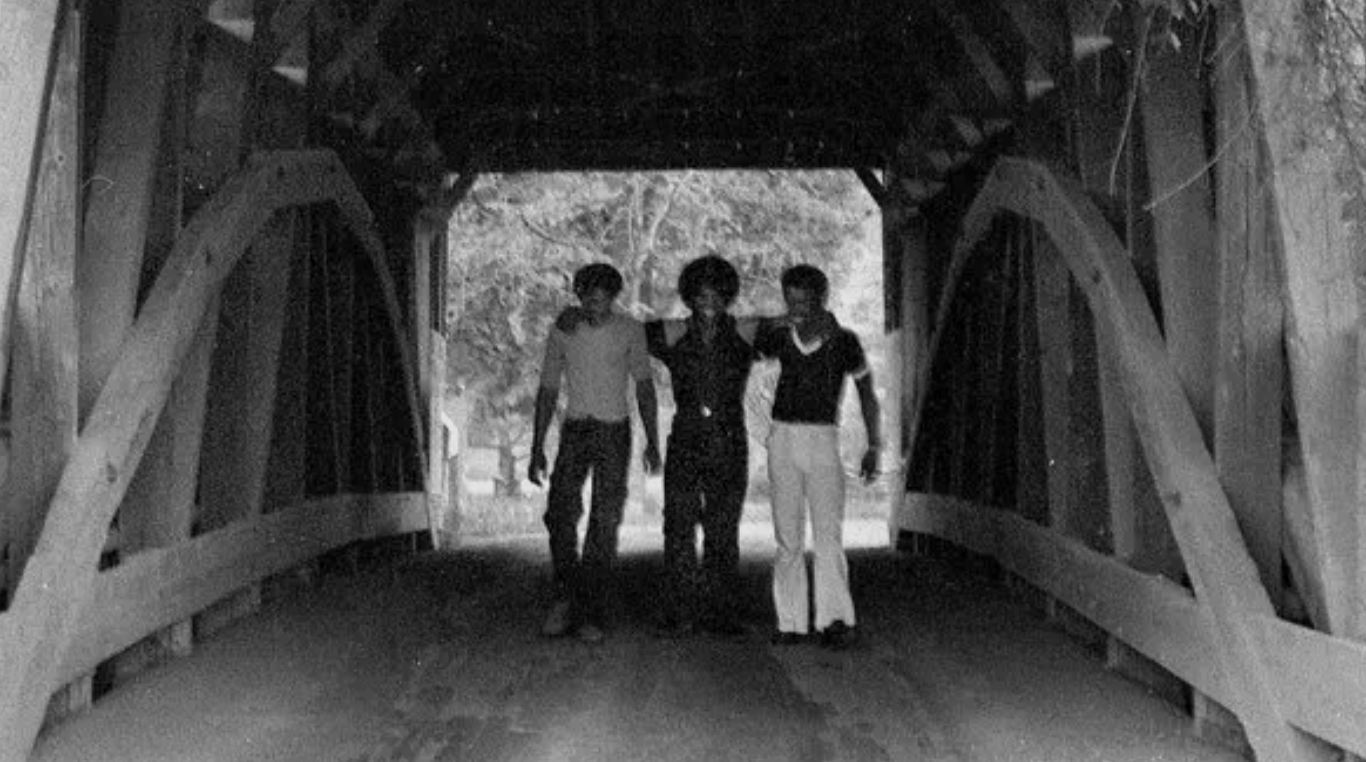
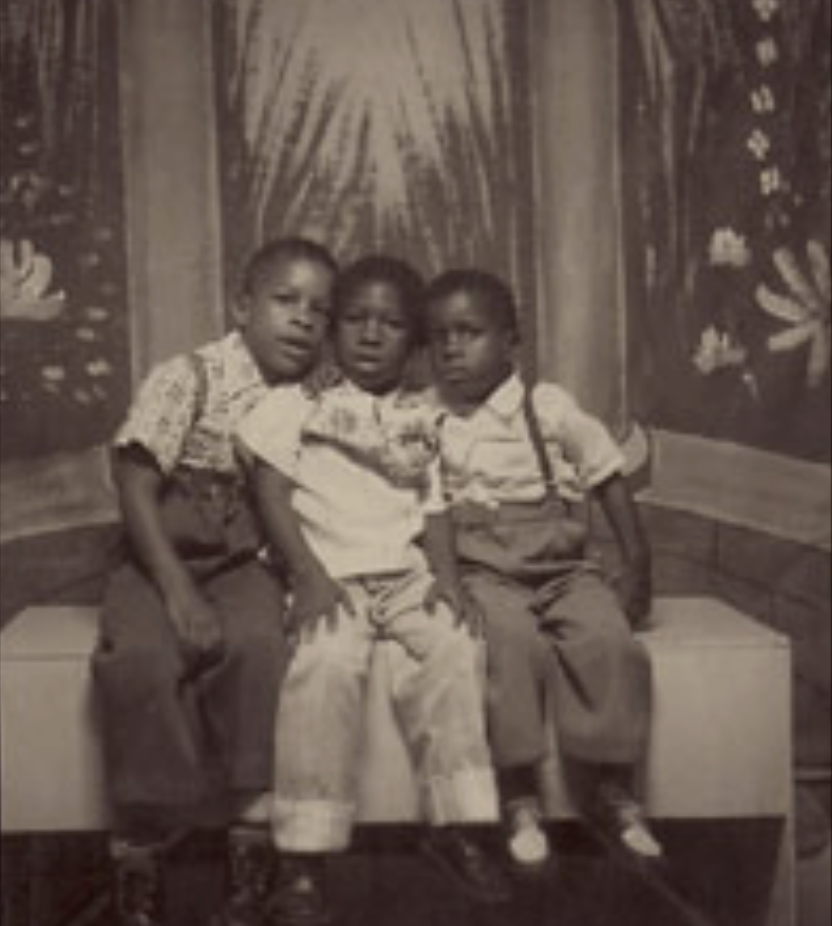
Before Punk Had a Name, Three Brothers From Detroit Already Owned It
Three brothers in Detroit picked up guitars in 1971 and invented punk five years before punk knew what to call itself. Then nobody let them play it. So they buried it — literally, in a basement, in a box of 500 seven-inch records nobody bought — and went on with their lives. It stayed dead for thirty years.
popJellyNYC believes in the corpses that won't stay down. Death is the most literal one we've ever found. This is a perfect story for our "necromancer" ethos — a band literally named Death that came back from the dead.
Rock Fire Funk Express
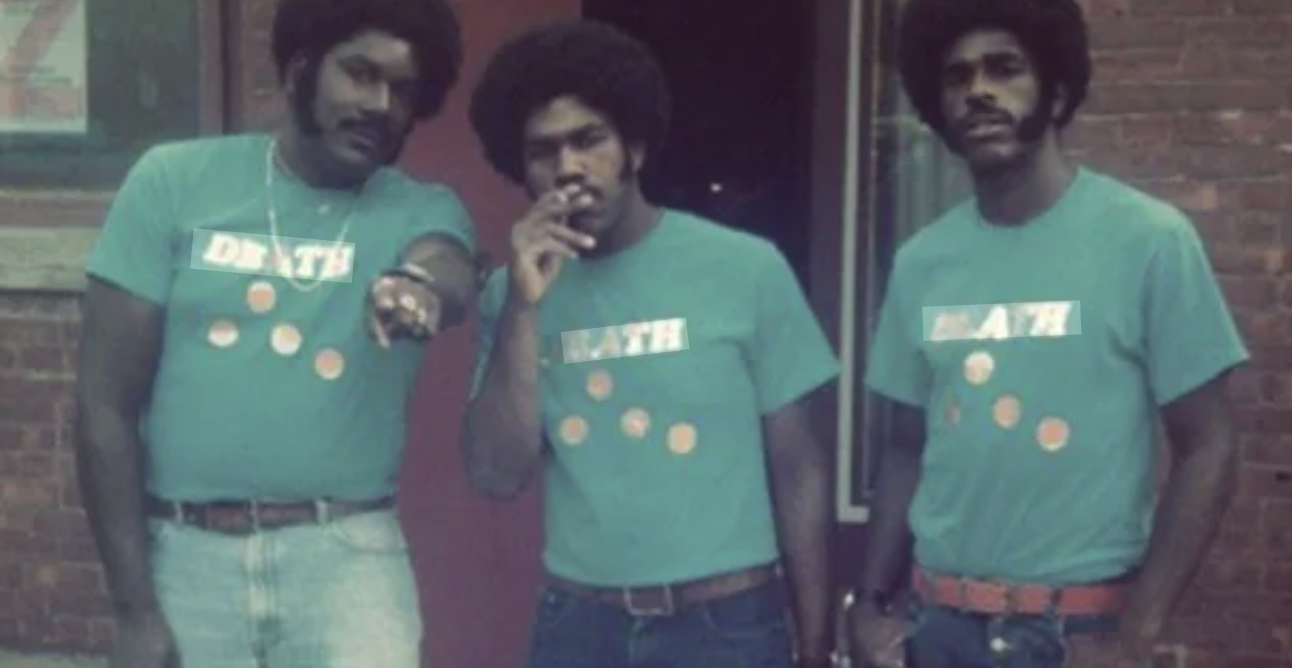
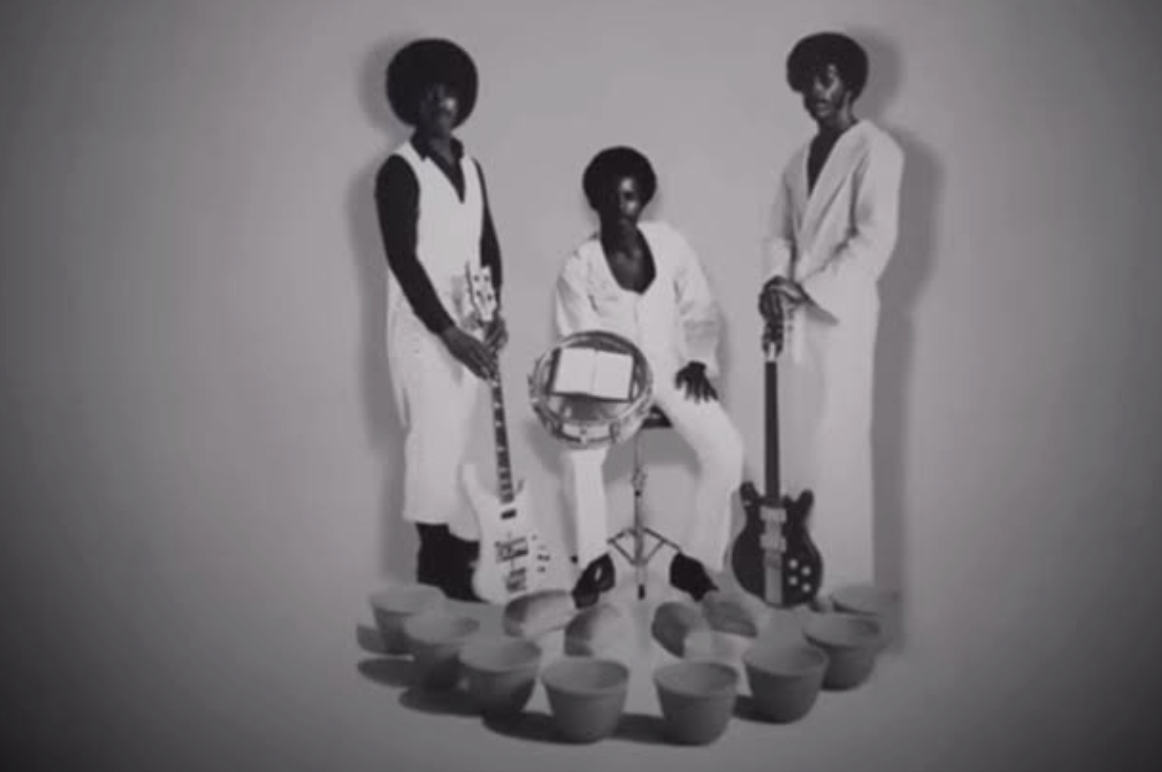
Bobby, David, and Dannis Hackney grew up on Detroit's east side, in a house that ran on music and discipline in equal measure — their father was a Baptist minister, their block was full of Motown. Everyone around them was spinning Earth, Wind & Fire. The Hackney brothers were spinning the Who and Alice Cooper instead, which in a Black neighborhood in the early '70s was its own quiet act of defiance.
They started as a funk trio, Rock Fire Funk Express — competent but unremarkable. Then David saw a Stooges show, or an Alice Cooper show, depending which version of the story you trust, and funk stopped being the assignment. David wanted noise. He wanted speed. He wanted to make rock and roll so relentless it sounded like it was trying to outrun something.
In 1973 their father died. David came to his brothers with a new name for the band: Death. Not as a threat, but as a reframe. He wanted to take the ugliest word in the English language and hand it back inverted. Bobby has said it was a hard sell. It was also non-negotiable.
The Name Nobody Would Say
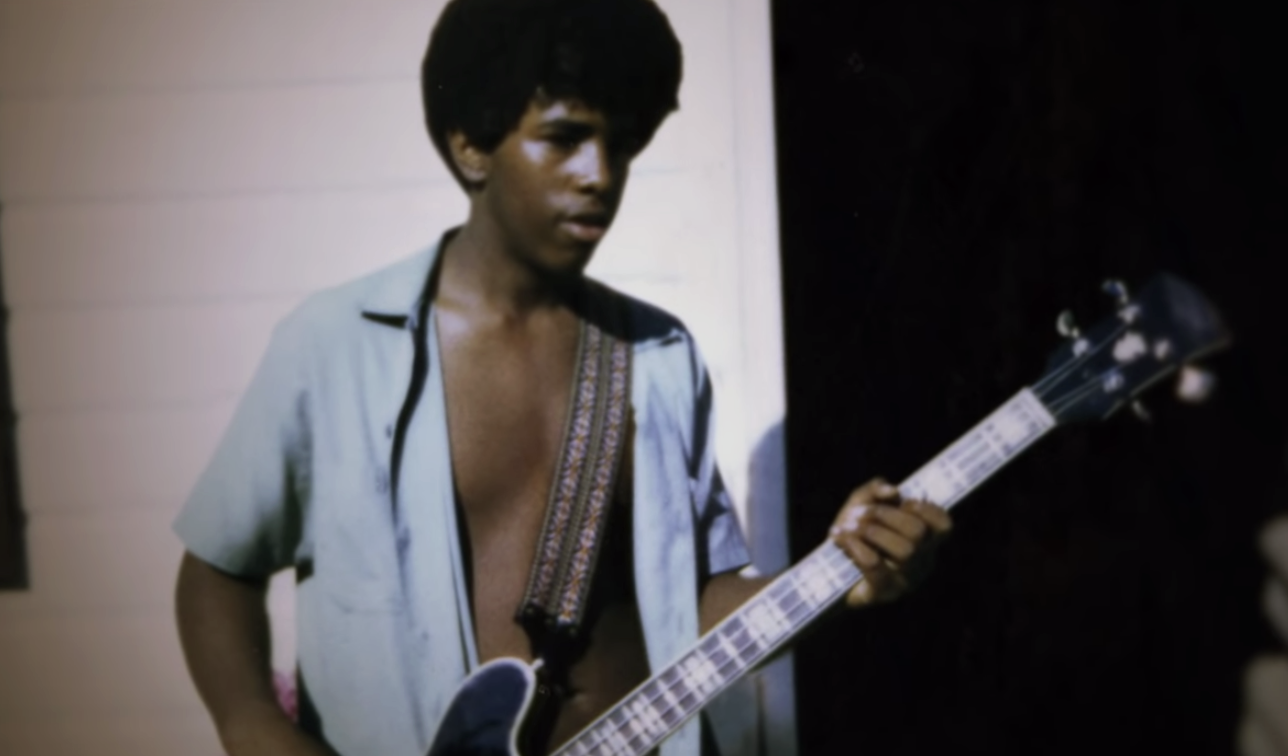
In February 1975, the band recorded seven songs at Detroit's United Sound Systems — the same studio that cut sides for Parliament-Funkadelic and the Stooges. The tracks were raw, fast, and genuinely vicious in the best way: "Politicians in My Eyes" still sounds like it's daring you to turn it off.
Local music mogul Don Davis got them in front of Columbia Records. Clive Davis liked what he heard. He also had one condition: lose the name. Nobody wants to stock a record called Death in a bin next to the Eagles.
David said no. The brothers backed him. Columbia Records said, "No thanks."
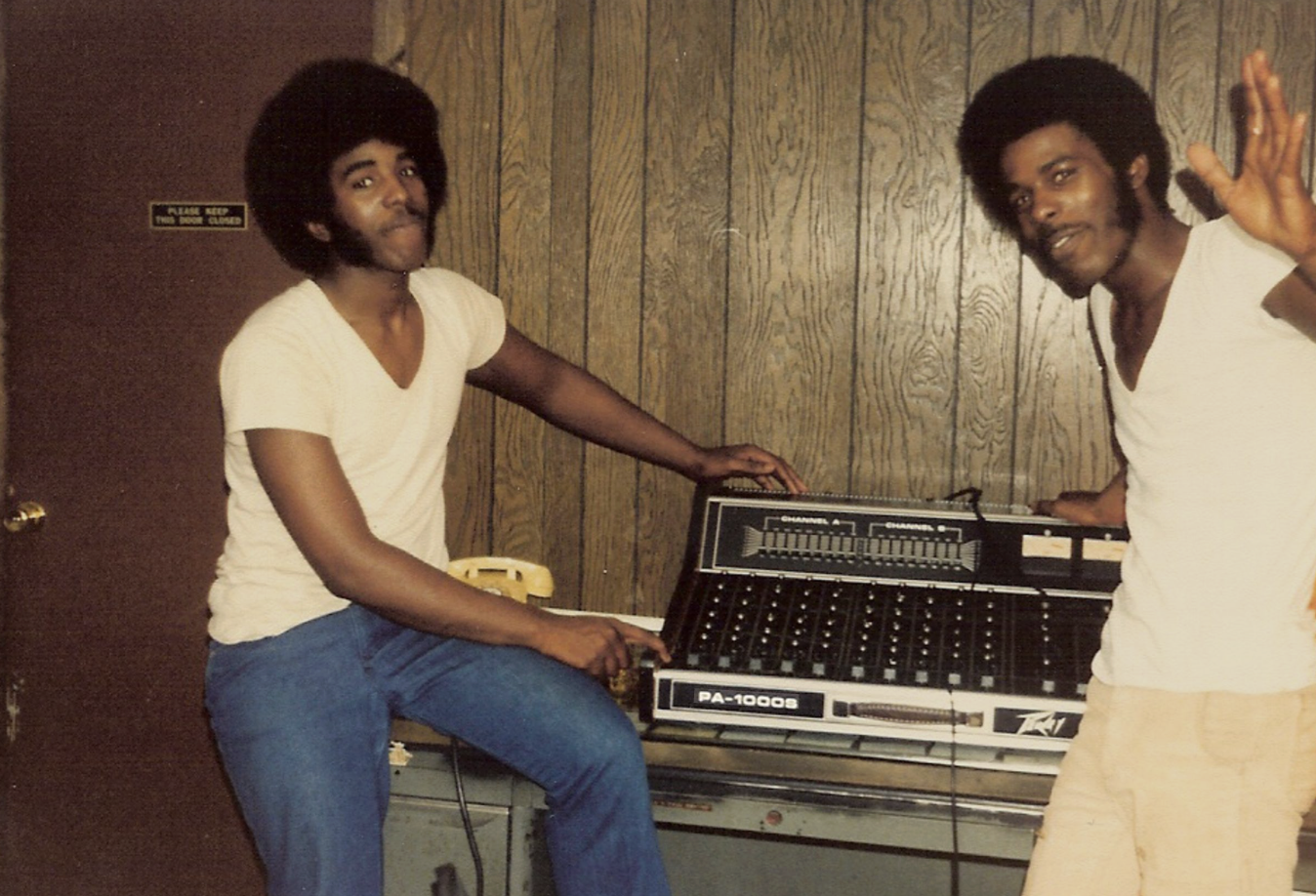
They spent two more years getting doors closed on them by every label that would take a meeting — an all-Black band playing something too hard for R&B radio and too Black, evidently, for rock radio, stranded in a genre that hadn't been invented yet and therefore didn't have a shelf to put them on. In 1976 they gave up on the industry entirely and pressed 500 copies of a single themselves: "Politicians in My Eyes" backed with "Keep on Knocking." Most of them were given away. A handful ended up in Detroit record shops nobody was tracking.
Then the brothers did the only thing left to do: they let Death die. They moved to Burlington, Vermont in 1977 and started over completely — gospel rock as The 4th Movement, then, through the '80s and '90s, reggae as Lambsbread, which is still a working band today. David went back to Detroit alone in '82, still chasing the sound under the name Rough Francis, and died of lung cancer in 2000 without ever seeing what his three-minute songs would become.
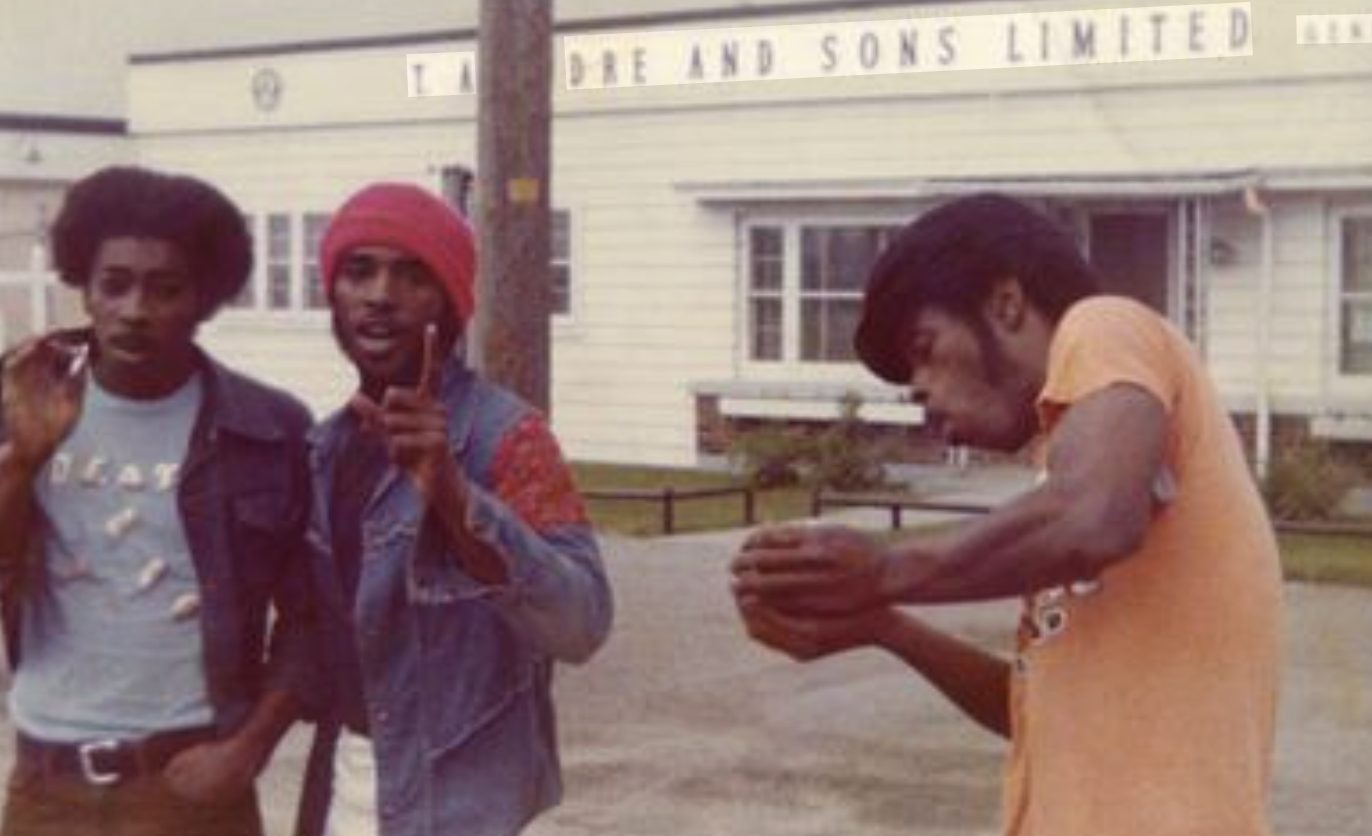
Exhumed
Here's the part that sounds made up: one of those 500 singles survived. It passed through collector hands for decades, quietly appreciating, until it landed at Chicago's Drag City Records in the mid-2000s. In 2008, rock historians confirmed what the record itself had been insisting the whole time — this thing predated punk's supposed birth by half a decade.
Drag City tracked down Bobby and Dannis, still in Vermont, still playing music, and in 2009 released the original 1975 sessions in full as "For the Whole World to See." A second collection of demos, "Spiritual Mental Physical," followed in 2011. The 2012 documentary "A Band Called Death" did the rest, turning a private family tragedy into a public reckoning with how punk history actually got written.
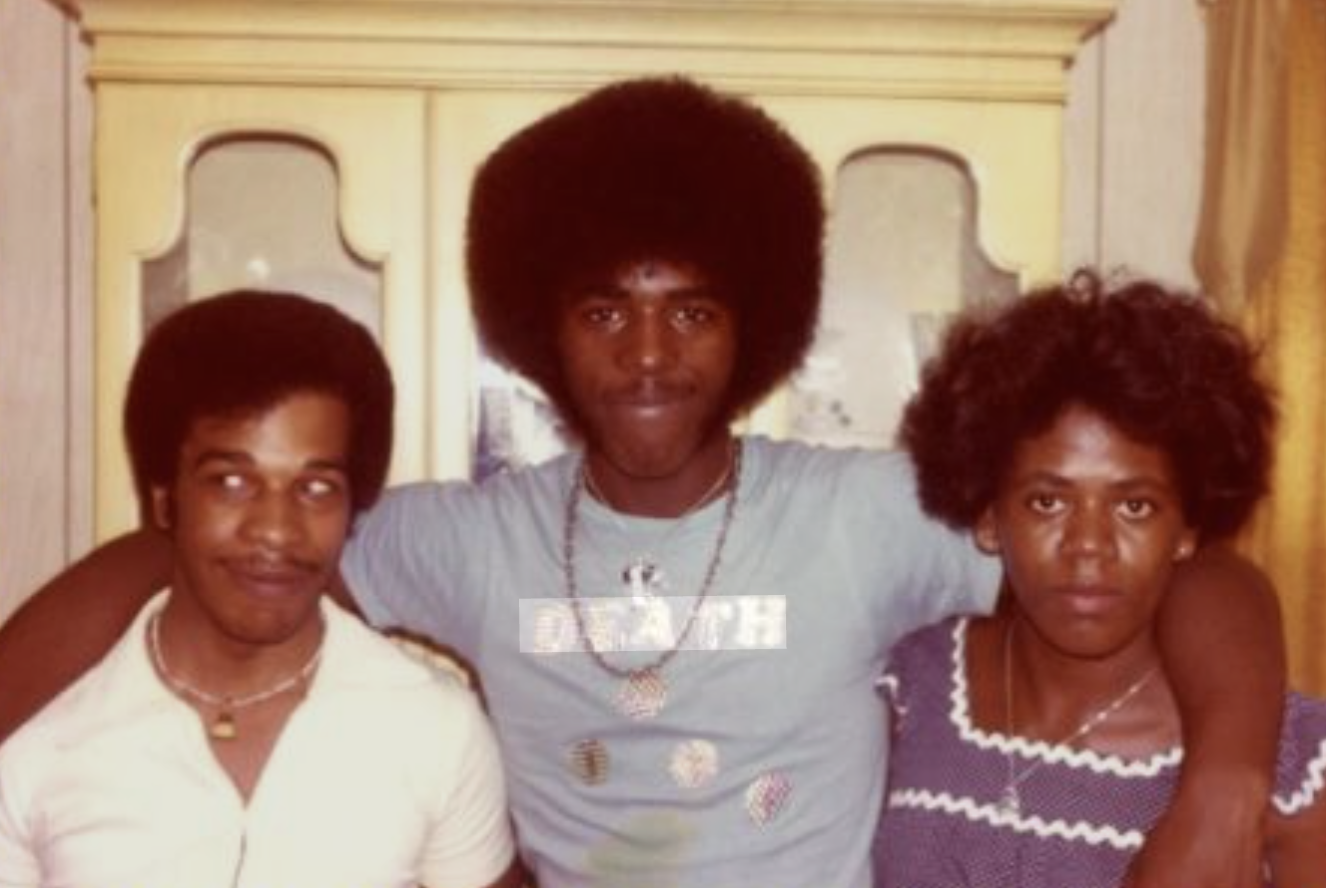
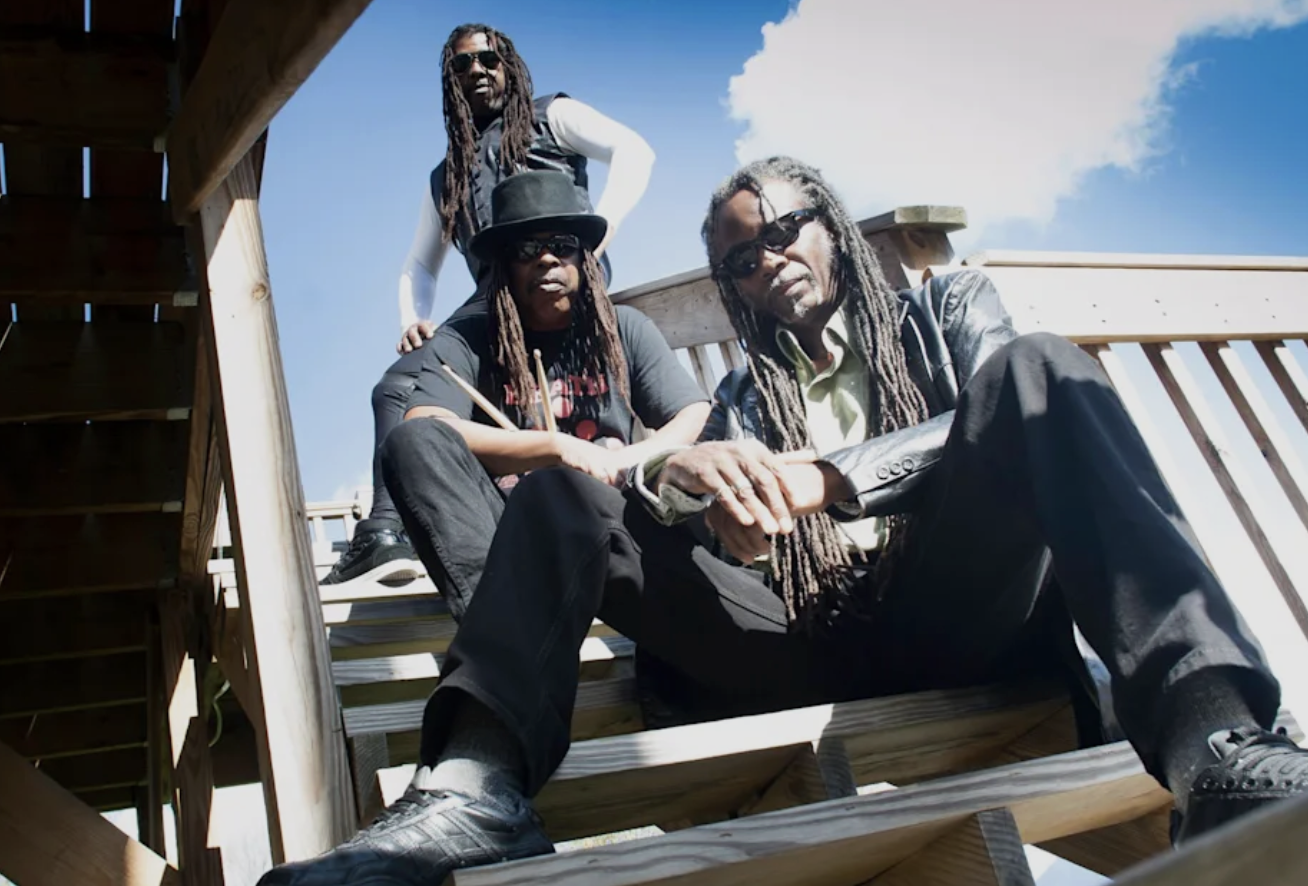
Death now tours as a full band again, Bobby and Dannis joined by their own sons, Julian and Urian Hackney, on the guitar their uncle David used to play. Rooms that once wouldn't book them now sell out.
Buried Alive, On Purpose
The obvious question is why it took thirty years, and the honest answer is that Death fell into a gap nobody had built a bridge over. Their own community heard white rock and clocked it as a betrayal of Motown and Earth, Wind & Fire — "white boy music," in Dannis's own words. The white rock establishment heard three Black kids from Detroit and had no shelf to put them on either, no genre yet invented that would let a Black punk band exist without an asterisk. Punk hadn't happened yet, so there was no scene to plug into and no audience already primed to want this. And when Columbia offered them the one door that might have mattered, they chose their name over the deal — the right choice, probably the only choice a band called Death could make with any integrity, and also the choice that cost them the machine that turns talent into legacy.
Five hundred records handed out by hand isn't a career. It's a message in a bottle. It just happened to wash up on the right beach three decades later.
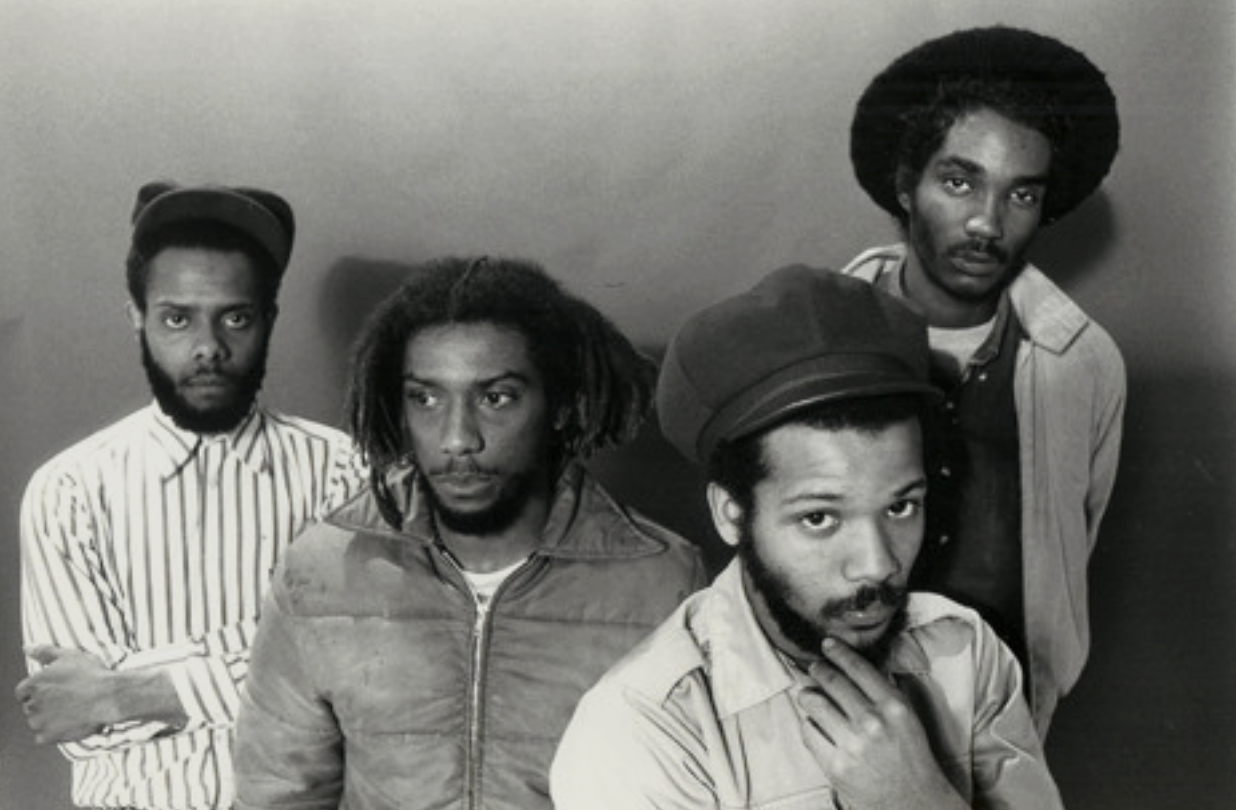
Bad Brains, the band
Before Bad Brains, Not Because of Bad Brains
Every conversation about Black musicians at punk's ground floor eventually gets to Bad Brains, and it should — "Rock for Light" and "I Against I" rewired hardcore and influenced everyone from the Beastie Boys to Nirvana to Rage Against the Machine. But the two stories don't connect the way people assume.
Death was recording in Detroit in 1975. Bad Brains didn't exist yet — they were four D.C. kids playing jazz fusion as Mind Power, and wouldn't discover punk until a friend brought over Ramones and Dead Boys records around 1977. By the time Bad Brains cut their legendary yellow tape in the early '80s, Death's own recordings were sitting in a box in Vermont, unheard by almost anyone, including, apparently, Bad Brains themselves. There's no lineage here, no torch passed. Death didn't influence Bad Brains because Bad Brains had no way to hear them.
What you actually have is two Black bands arriving at the same raw, high-velocity truth completely independently — one in Detroit, one in D.C. — years apart, with zero contact, and one of them got erased from the story for three decades simply because nobody was listening in time. That's not a footnote. That's the whole point.
Why This Matters Now
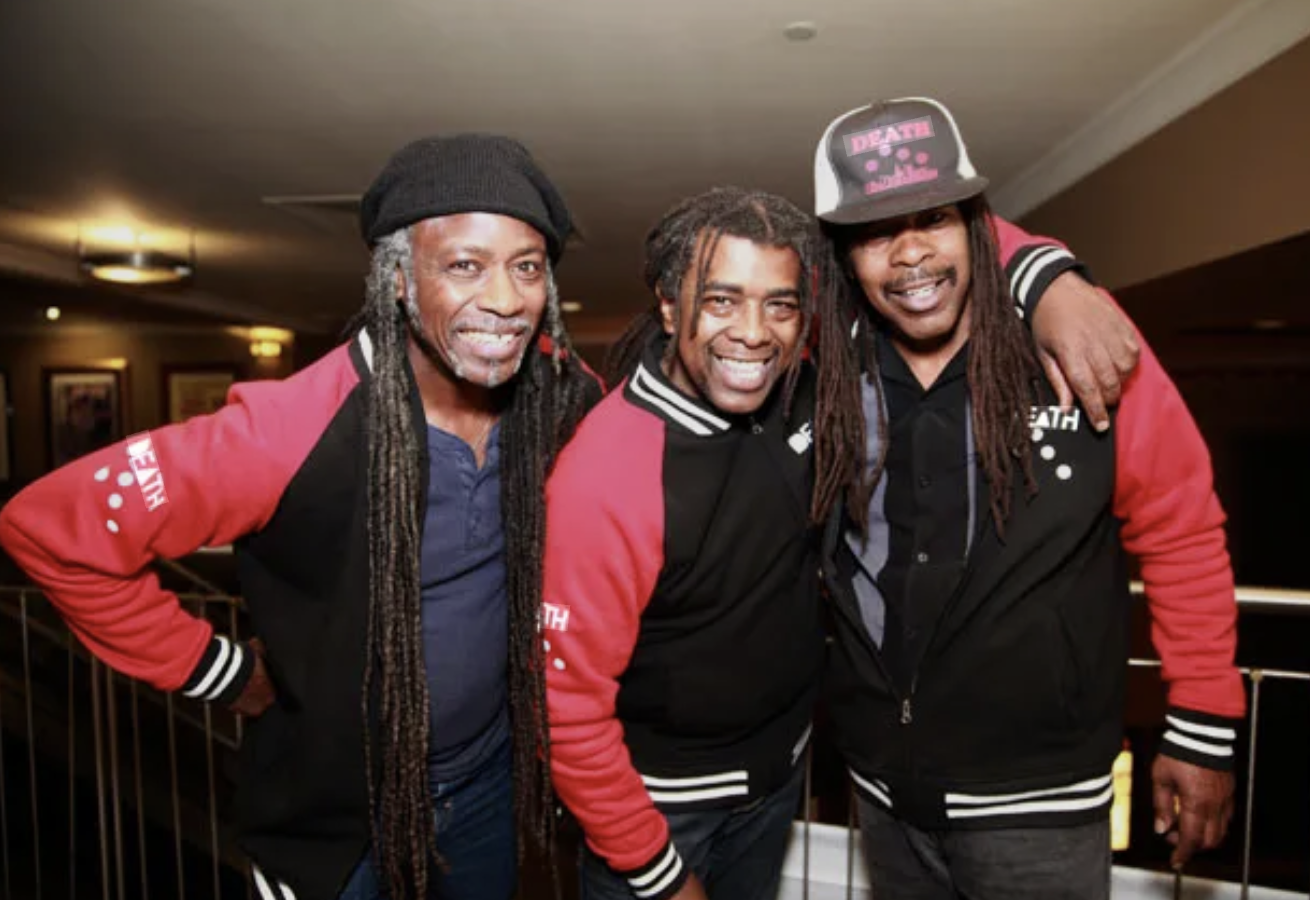
Punk's official origin story is still mostly white faces at CBGB, and it's still mostly wrong. Death is one of the cleanest, best-documented corrections available — not a theory, not a reach, an actual tape recorded in 1975 that sounds exactly like what it claims to be. The music doesn't need the backstory to hold up. It holds up on volume alone.
But the backstory is the part that should stay with you: three brothers turned down the only offer that could have saved them because the offer required erasing the thing they'd named after their own dead father. They lost. They kept the name. Thirty years later, the world caught up to the decision they made in a Detroit basement in 1975.
That's not a lucky comeback story. That's a band that was right the entire time, waiting for everyone else to be ready.
What It Actually Sounds Like
Here's the thing that still makes me scratch my head in bewilderment: hit play on "Politicians in My Eyes" and it doesn't sound like a historical artifact. It sounds like a band that showed up five years too early and didn't get the memo…meaning, if you didn't know the recording date, you'd never guess this was made in 1975. Death showed up to a party that hadn't started yet, playing exactly the music that party would eventually be built around.
Stop-start guitar stabs, overdriven power chords, riffs that slip around the beat instead of sitting on it. Dannis on drums hitting with a ferocity that only comes from playing with your own blood — tight, locked-in, nothing wasted. Bobby's bass running underneath it, groovy and mean at the same time. David's guitar cutting loose in feedback and distortion squalls that stand up next to anything else recorded in that era. It's fast, it's loud, and it's angry in a way that's aimed somewhere specific — the lyrics are political, direct, not vague teenage rebellion.
The influences are right there if you know where to listen: Motown discipline underneath, MC5's Detroit muscle, the Stooges' filth, a little Hendrix in the guitar work, a little Who and Alice Cooper in the theatrics. But Death didn't sound like any one of those bands. They sounded like all of it fed through three brothers who'd decided the rules didn't apply to them.
Death is usually classified as "proto-punk" rather than punk outright, and there's a reason for the distinction: in 1975, punk didn't have a name yet. No scene, no rulebook, no genre to belong to — that wouldn't exist until the Ramones' debut a year later and the UK explosion of '77. But everything that would come to define punk is already there in these Death recordings. The tempo and attack — faster and rawer than anything else on rock radio at the time.
The stripped-down instrumentation — riffs built on fewer notes, left to decay instead of polished into a solo. The production — cheap, fast, unsmoothed, feedback and distortion left in because there was no money or time to take it out. The lyrics — direct social commentary instead of romance or party anthems. And underneath all of it, the DIY refusal that’s punk's actual core: when Columbia wanted them to sand down who they were, they said no and pressed the records themselves. That's not proto-anything. That's grit in its purest form, arguably purer than plenty of bands that get filed under the genre without a second thought.
And that's the part that should inspire you— not just that it's good, but who made it and when. Three Black kids from Detroit playing this in 1975 — two years before the Sex Pistols, before "punk" was a marketing term, before there was a scene, a look, or an audience built for it. Bad Brains, when they showed up a few years later, at least had a genre to walk into. Death had to invent the room before they could stand in it.
They weren't influenced by punk. They just happened to land on the same sound independently, ahead of the wave that would later define it. This isn’t a footnote to the story—it’s the whole reason their story is worth telling. It’s the whole crux of why their rediscovery matters.
