københavn
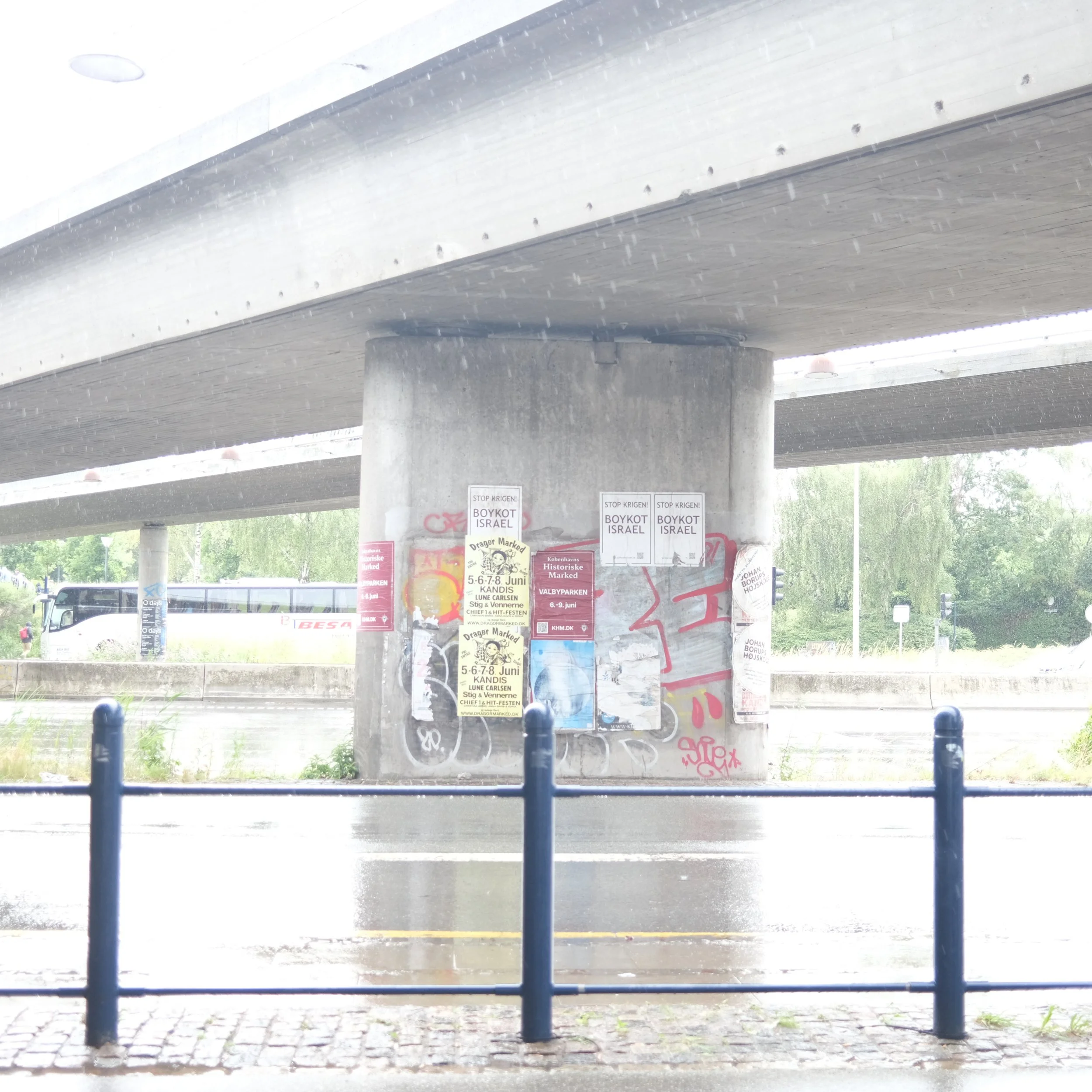
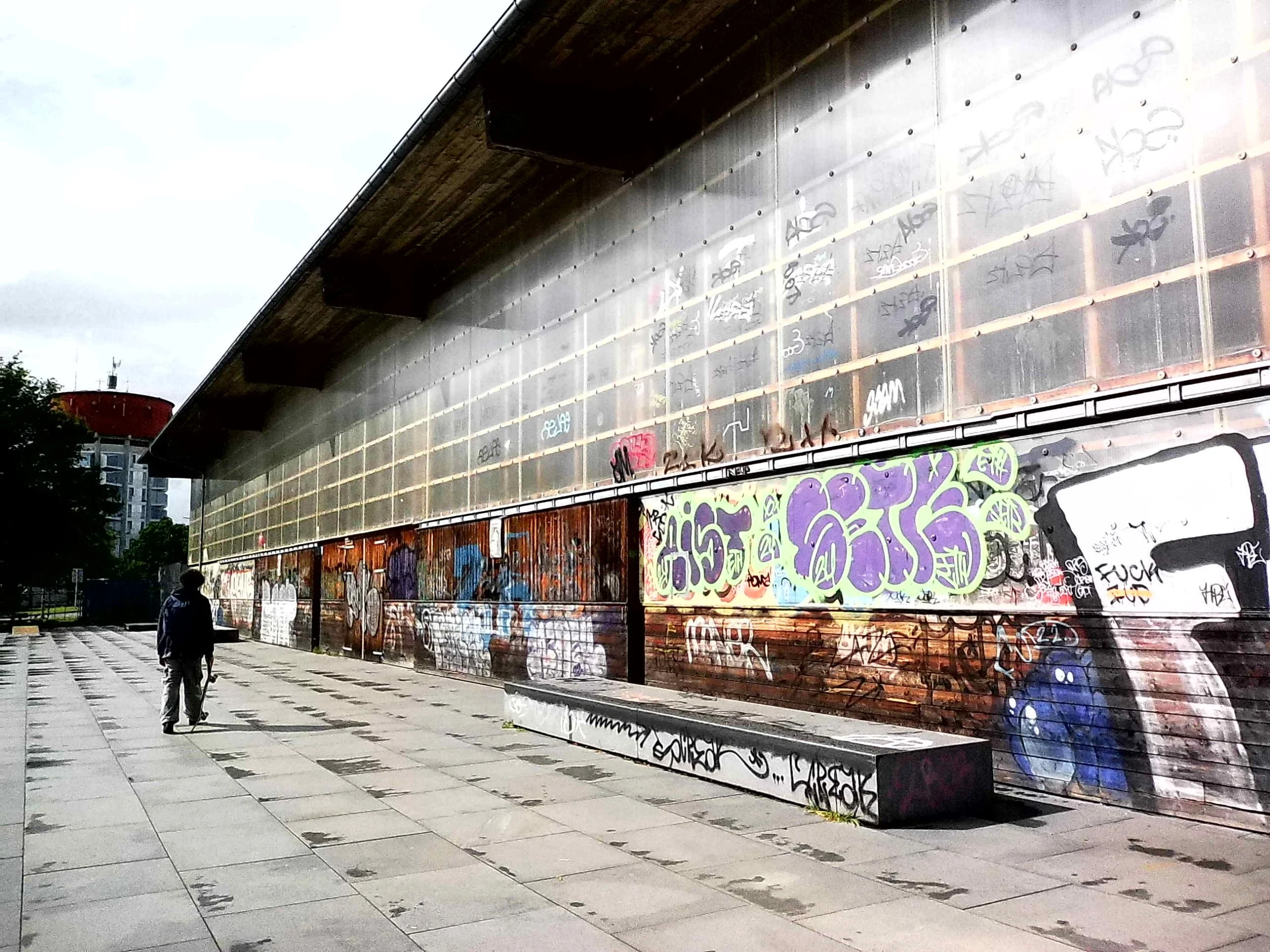
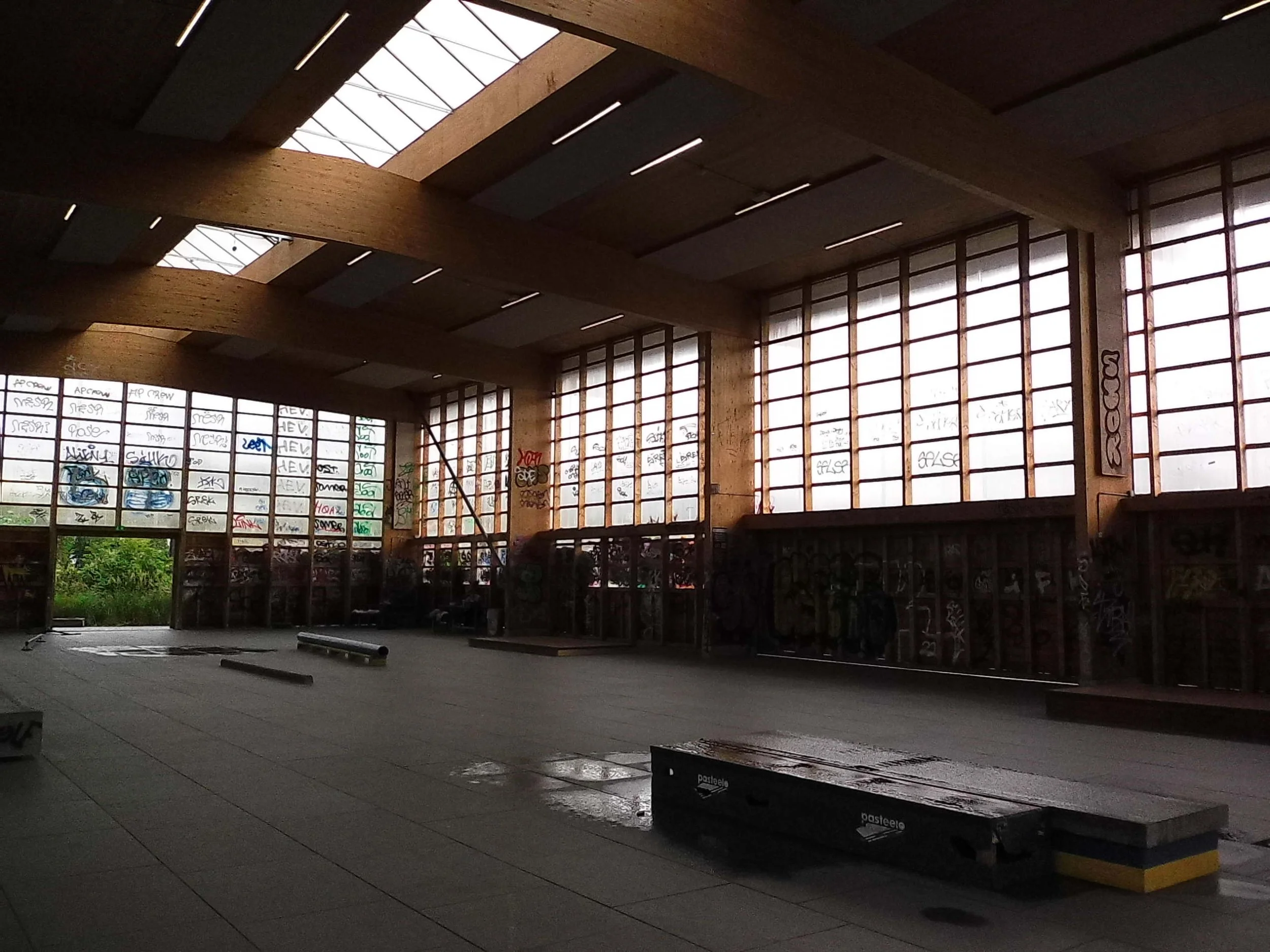
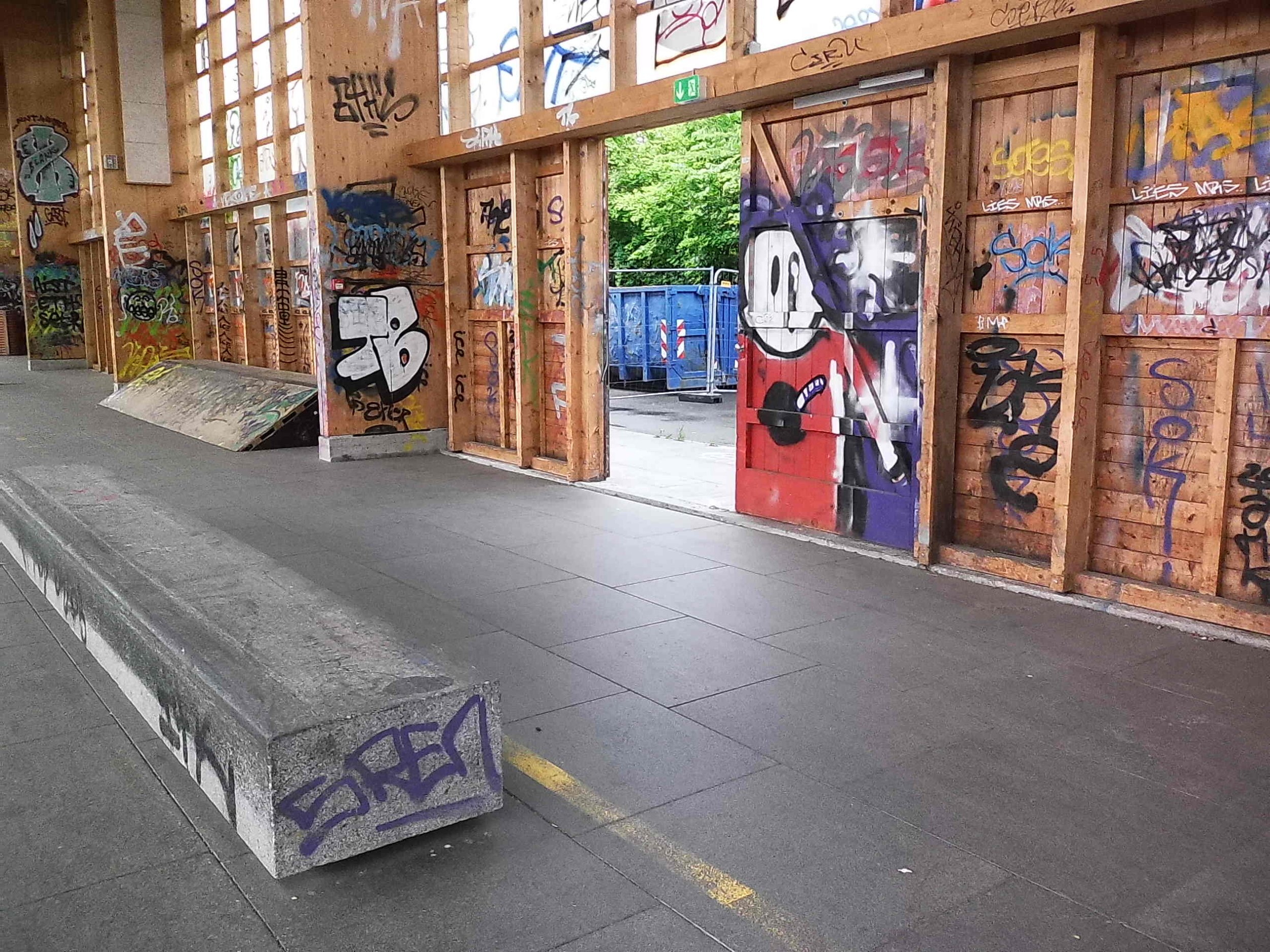
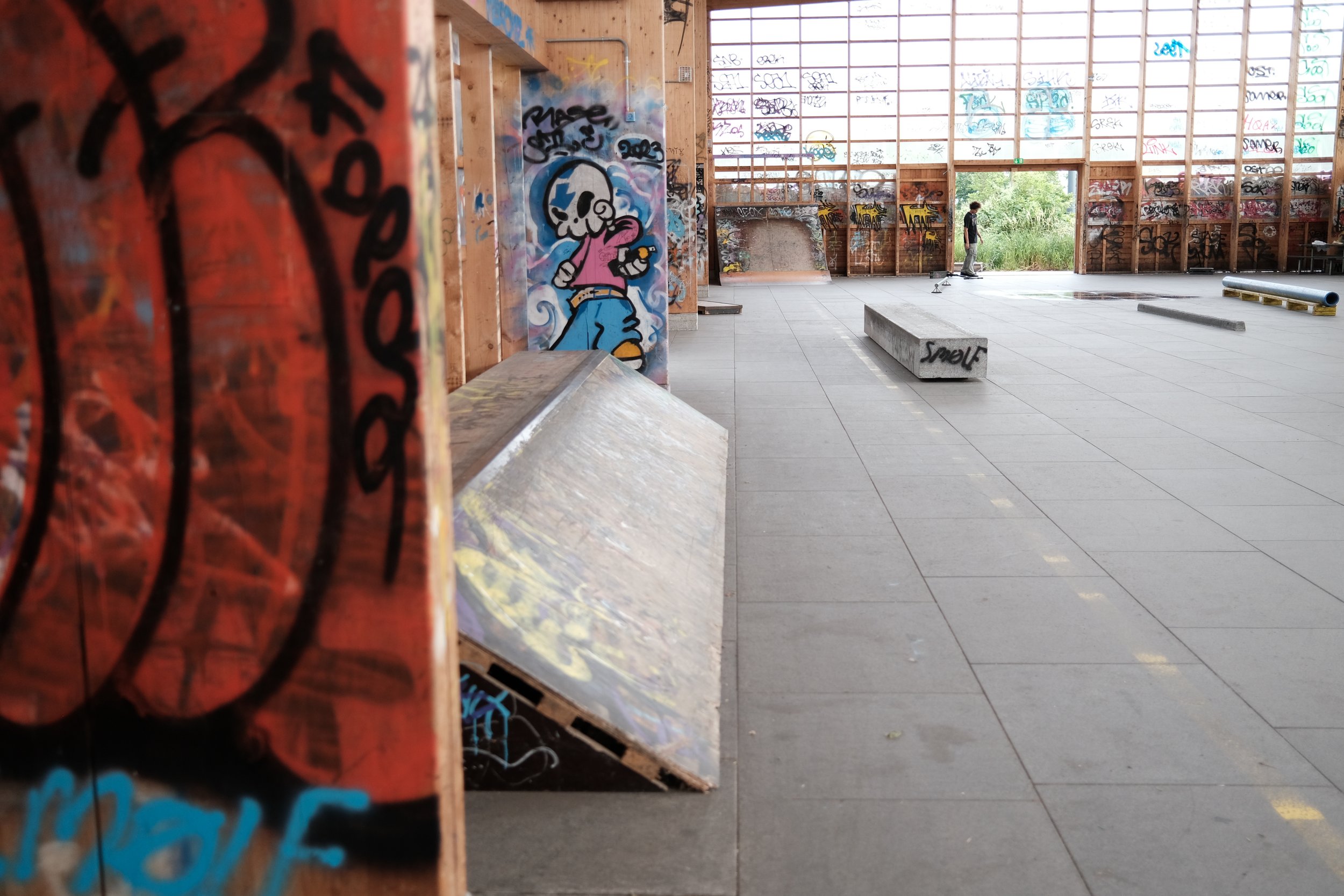
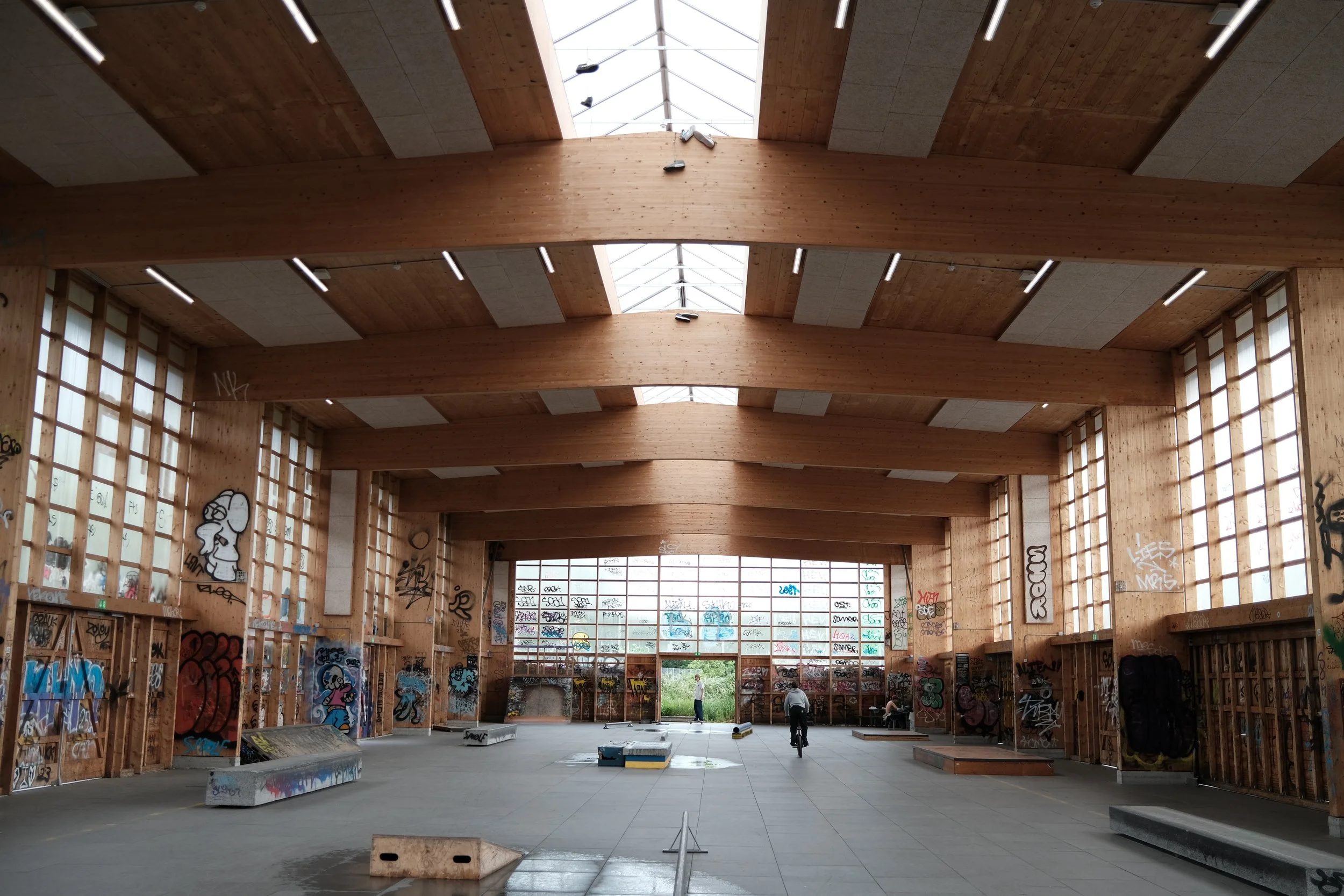
Despite the rain, we decided to stick to our plans and headed north out of Copenhagen to Gentofte. I thought photographing this day at Jägers Skatepark would be fun.
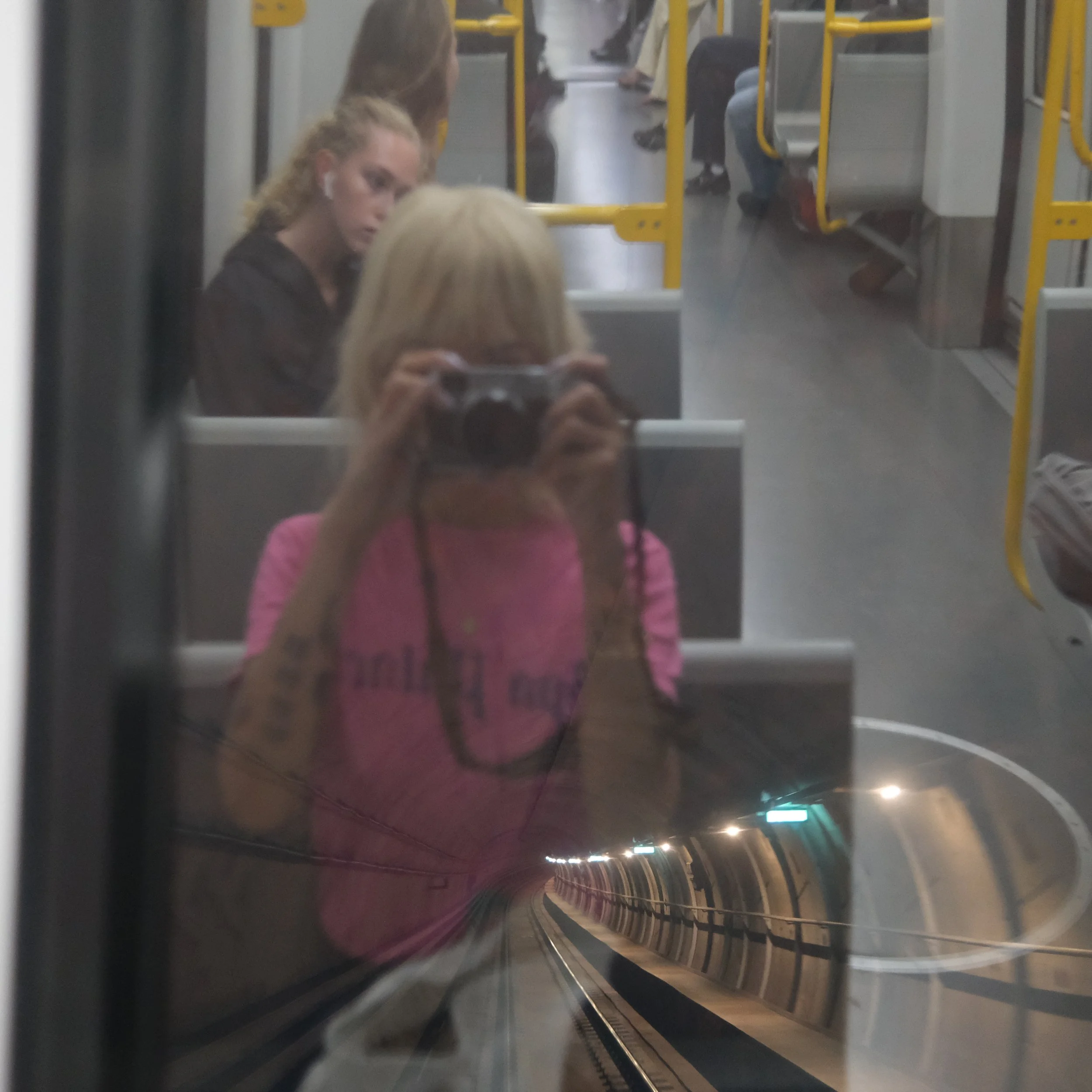
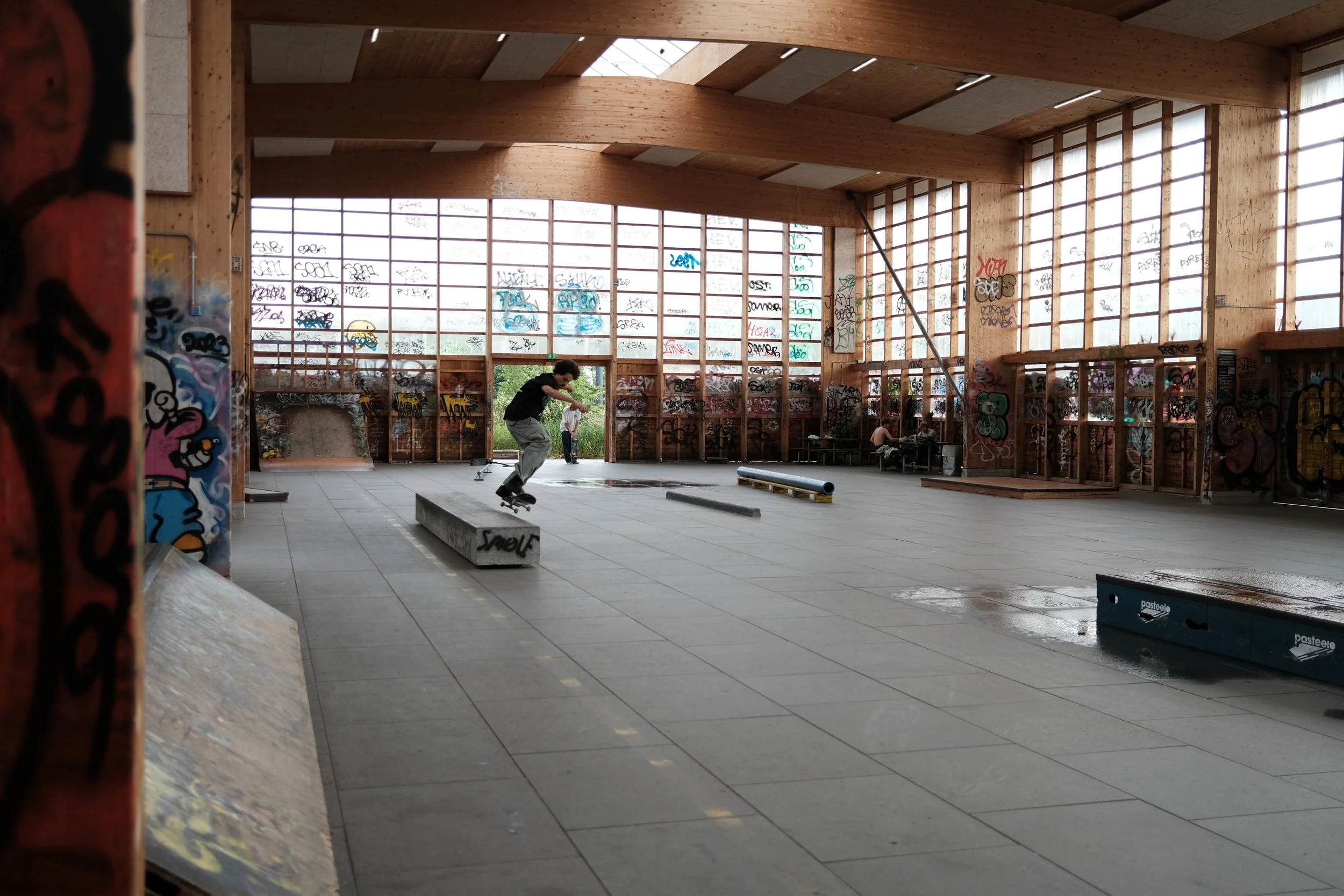
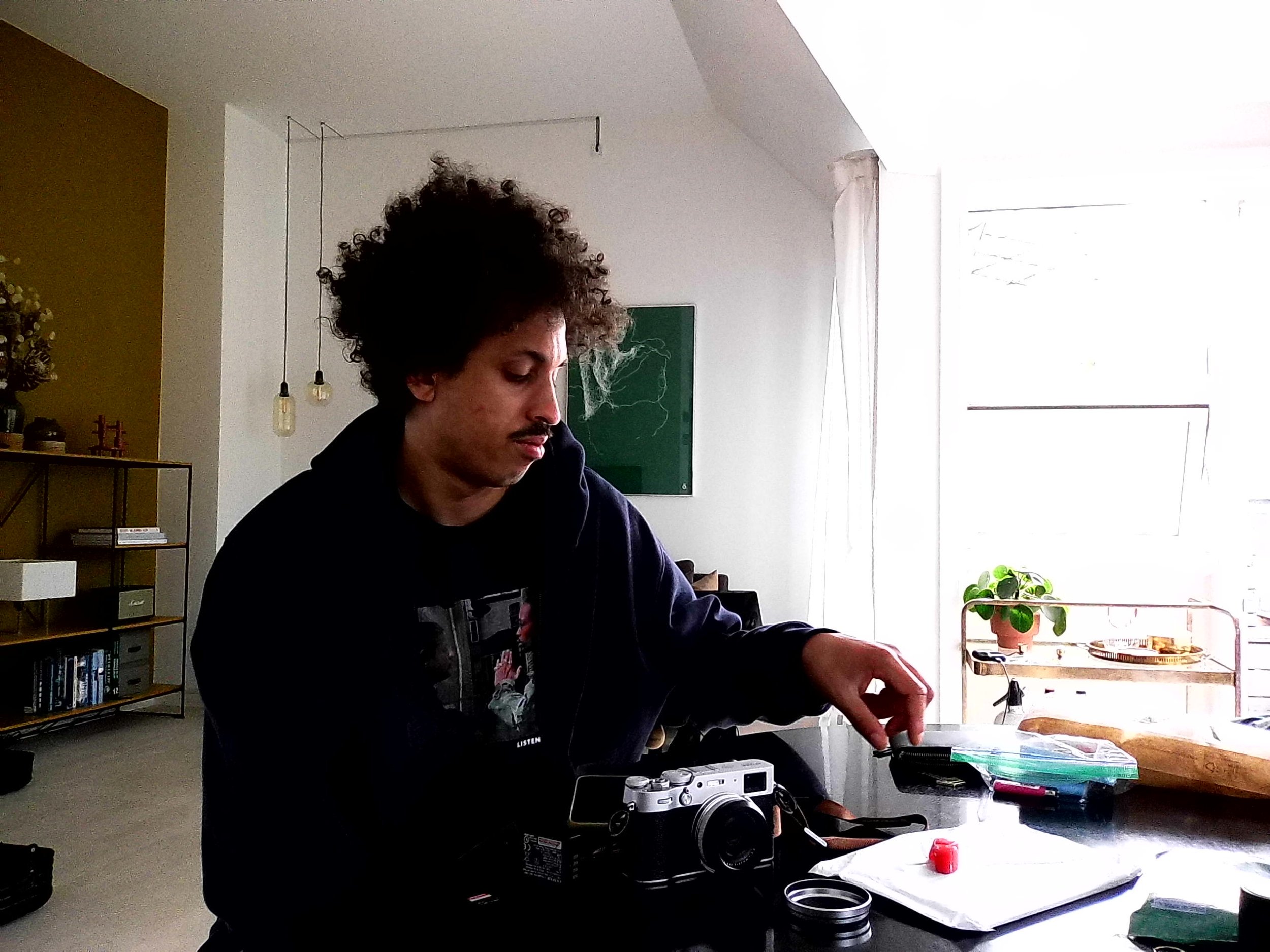
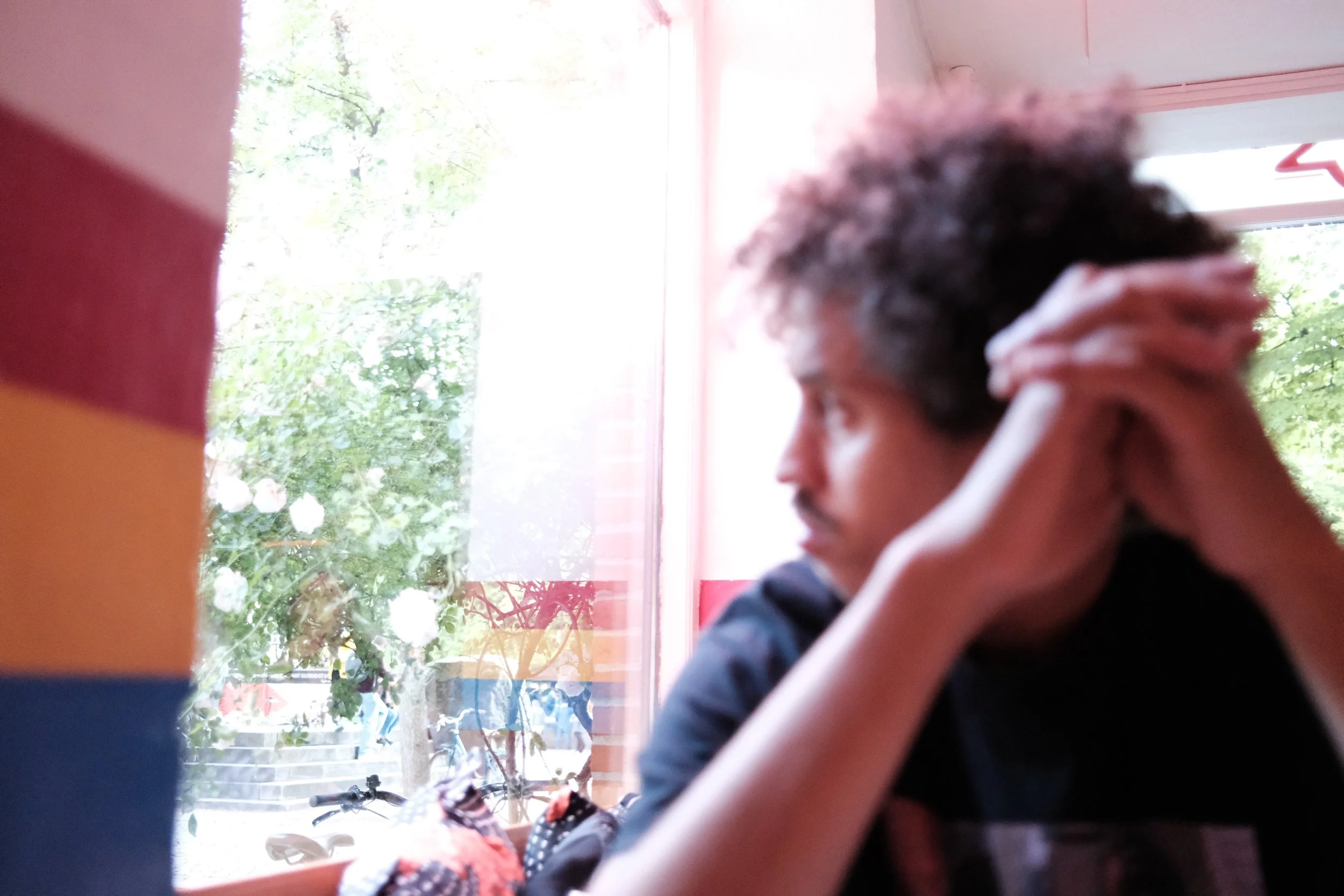

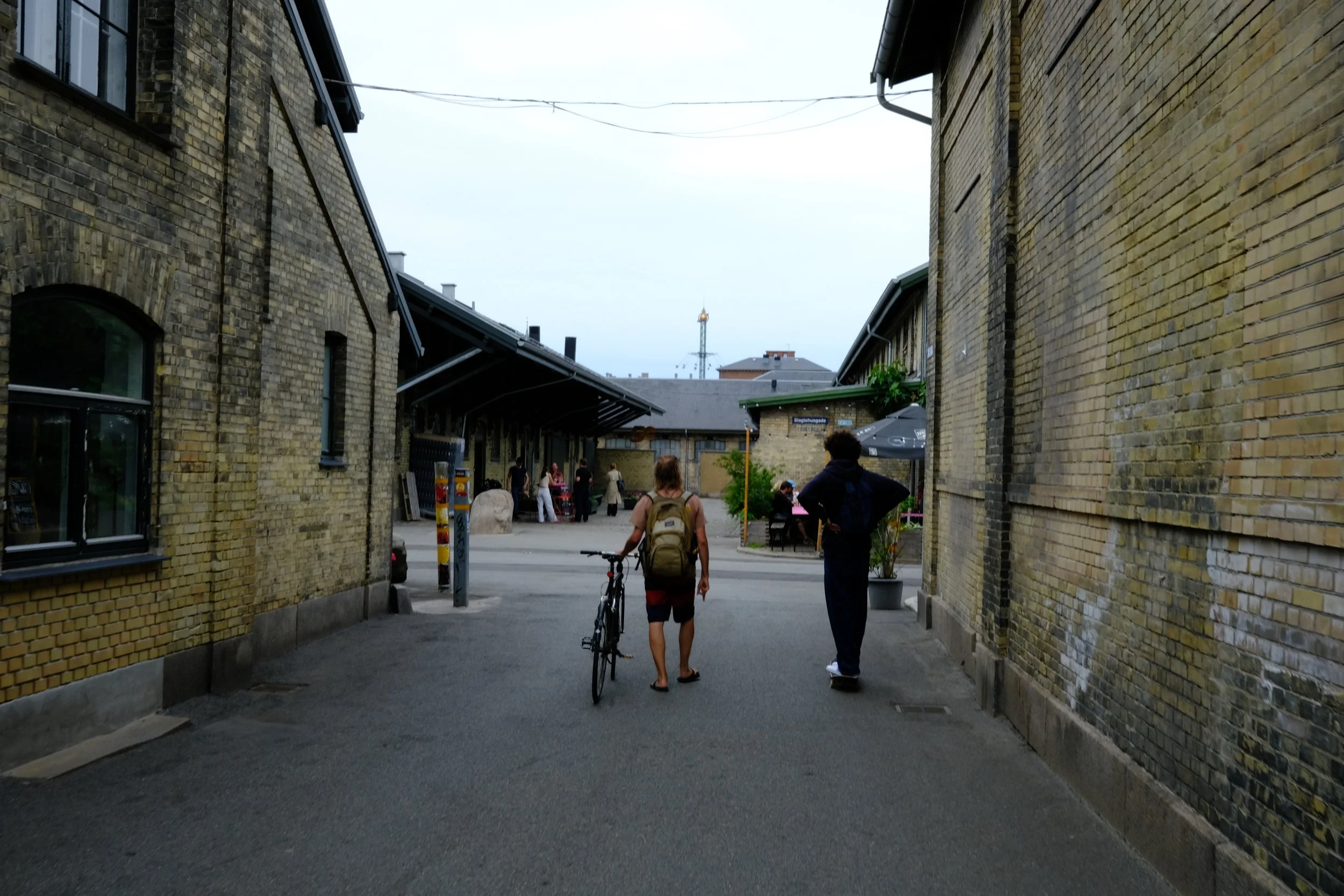
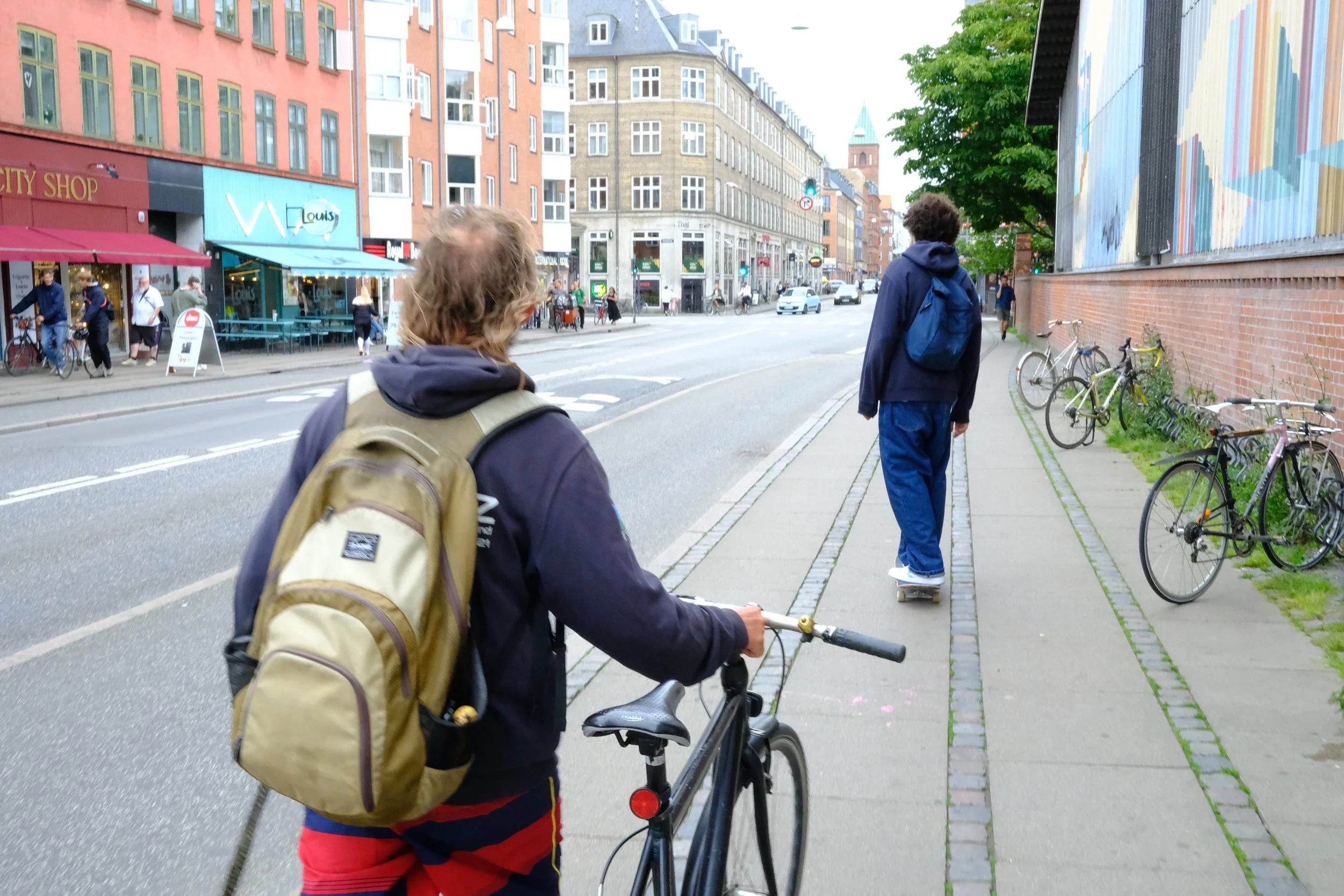
Met up with an old friend, Benjamin, at various spots in Copenhagen during our stay.
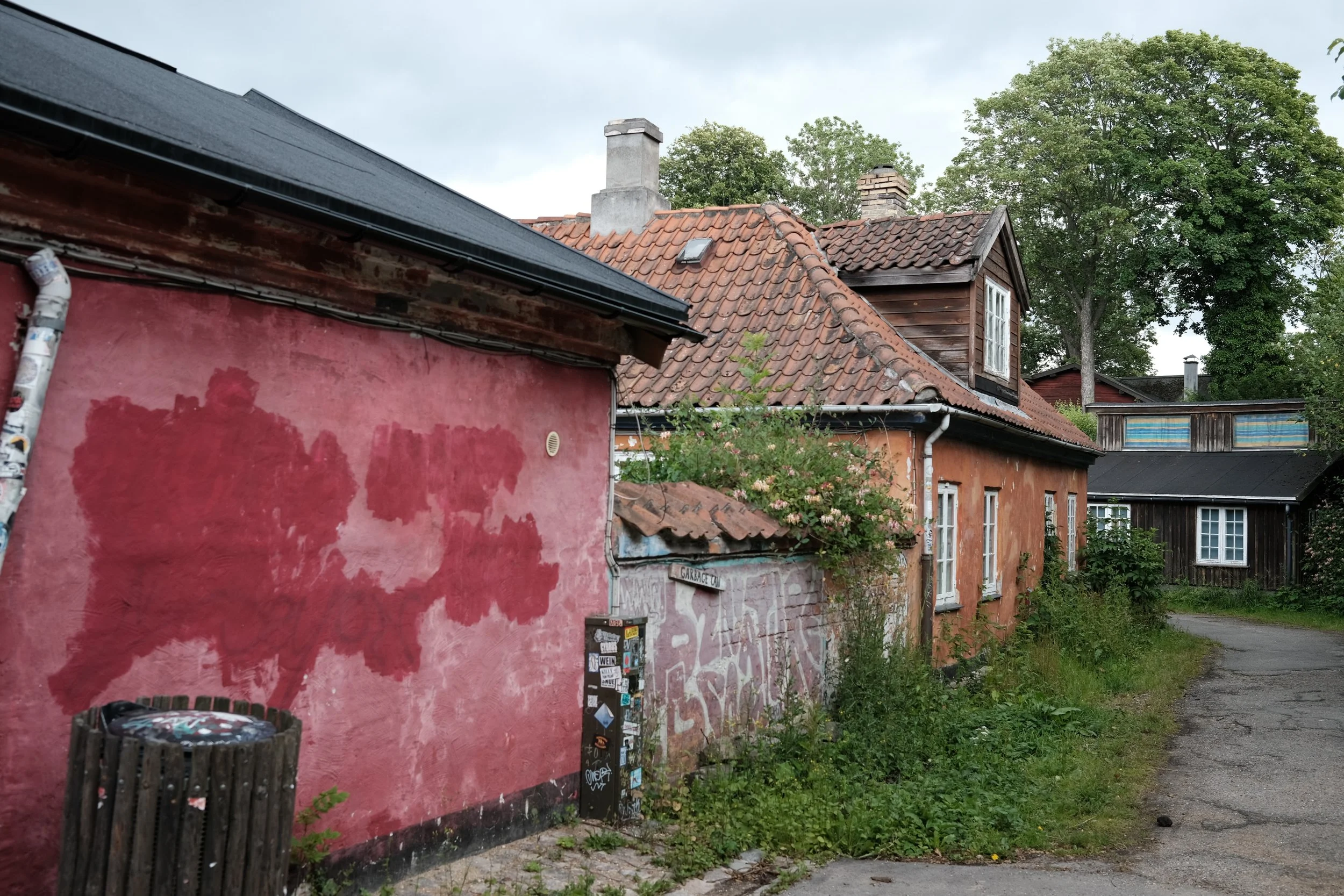
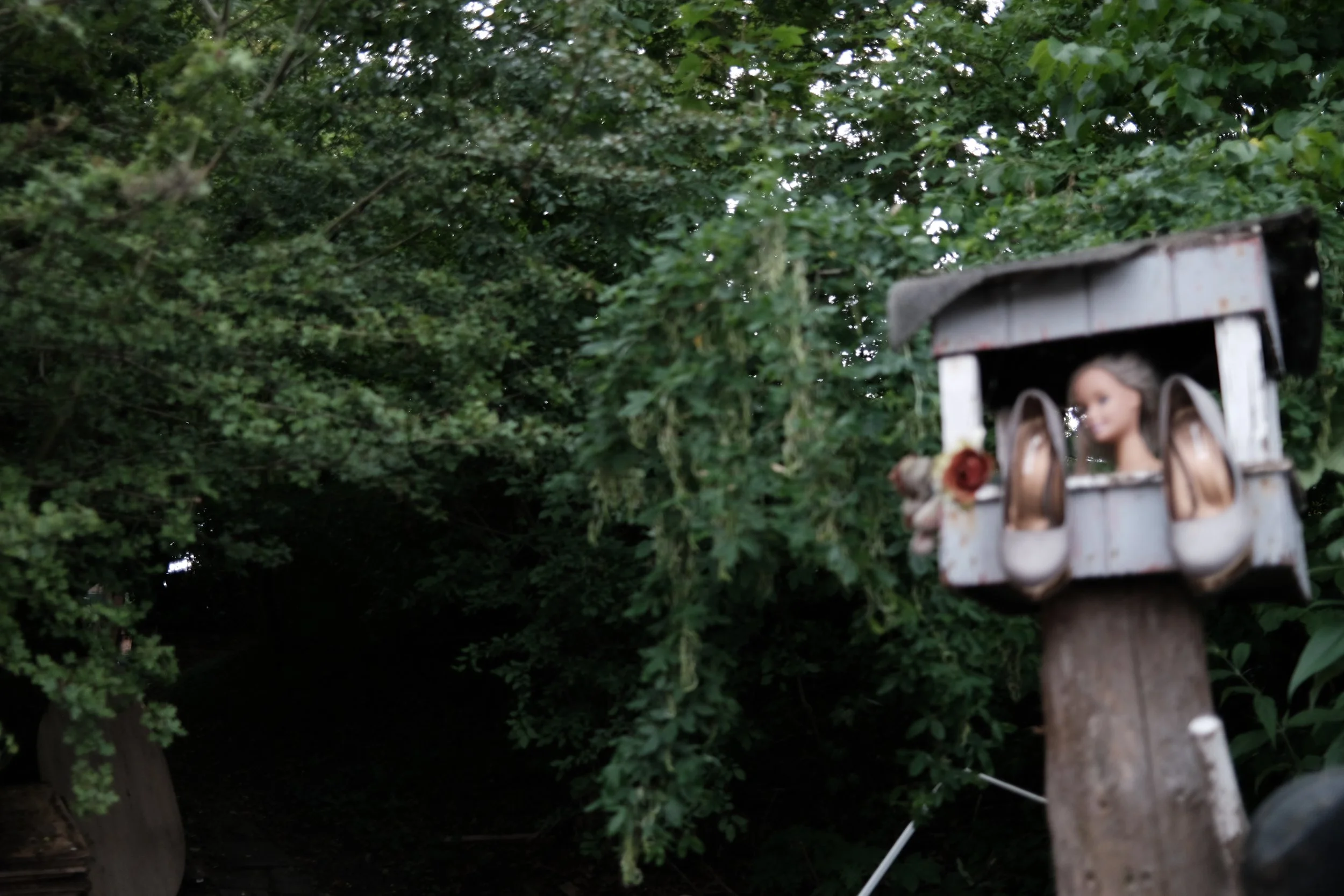
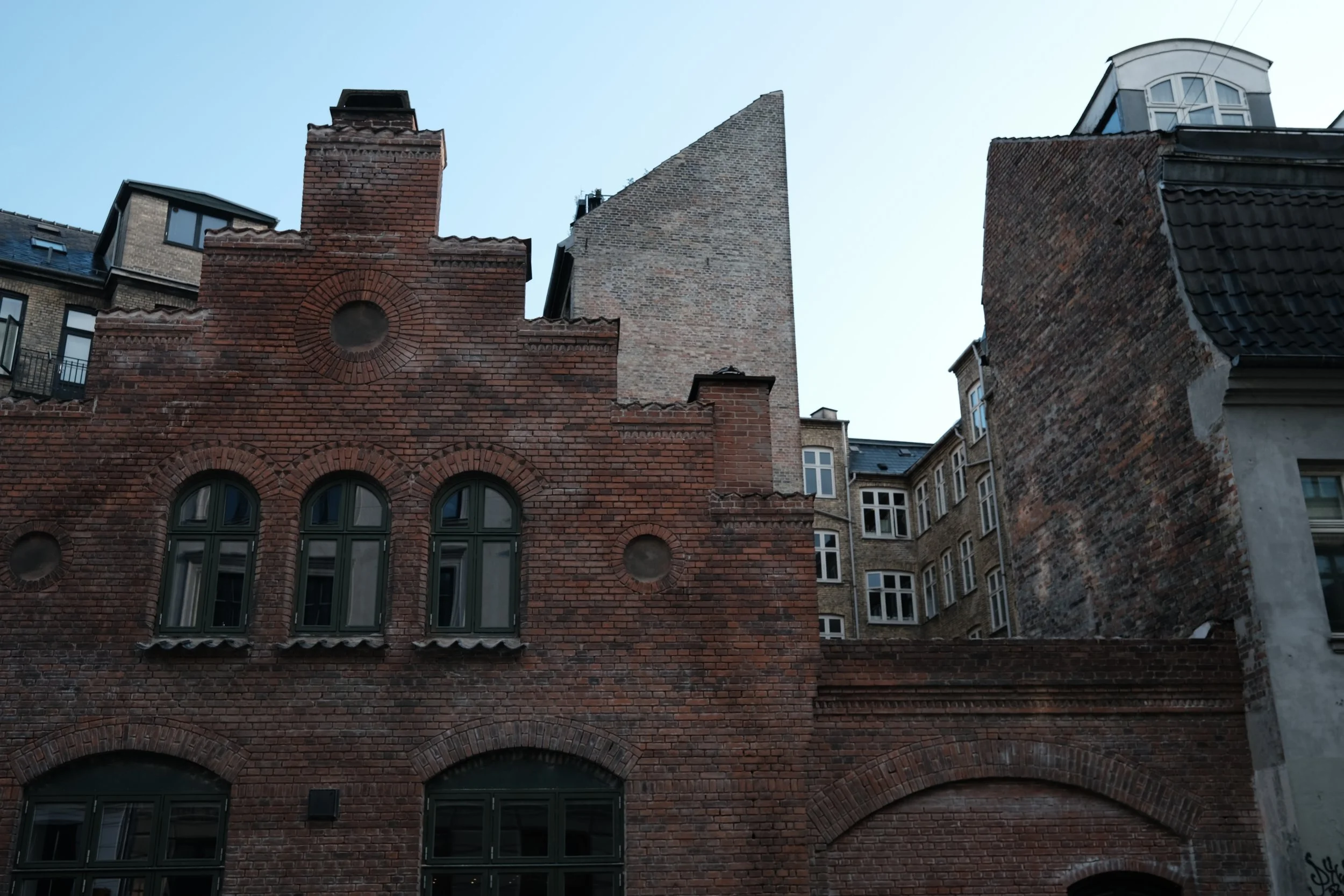
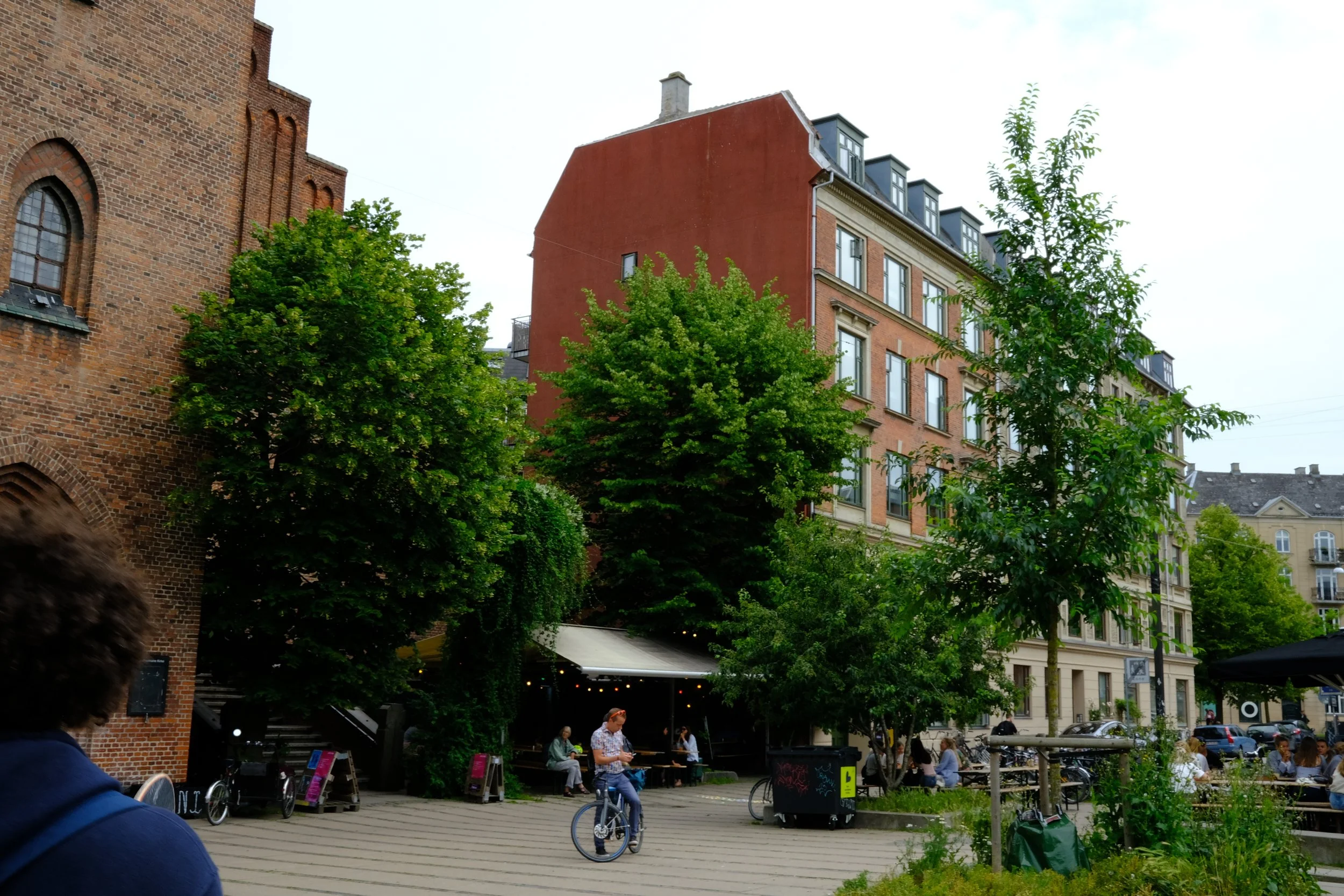
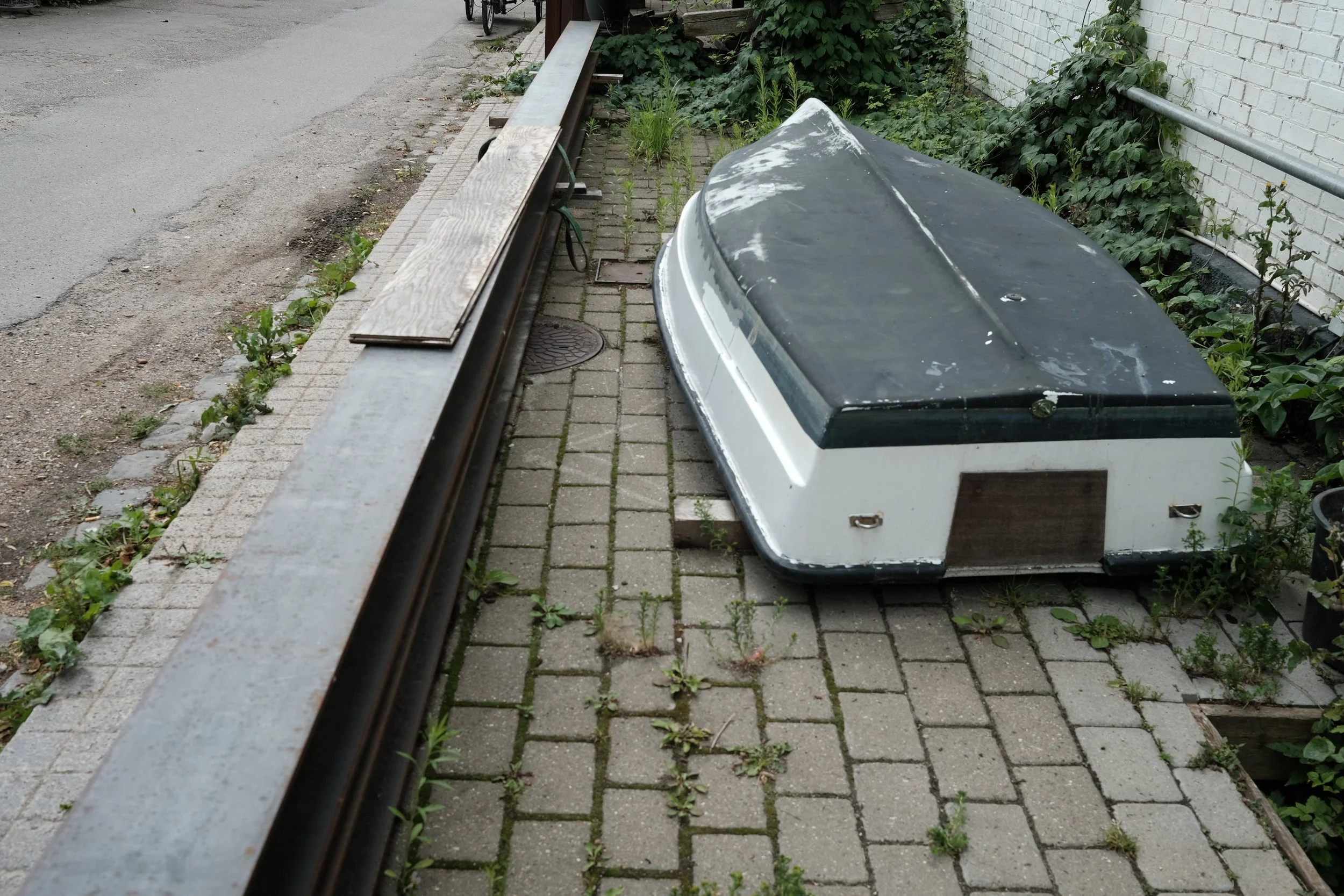
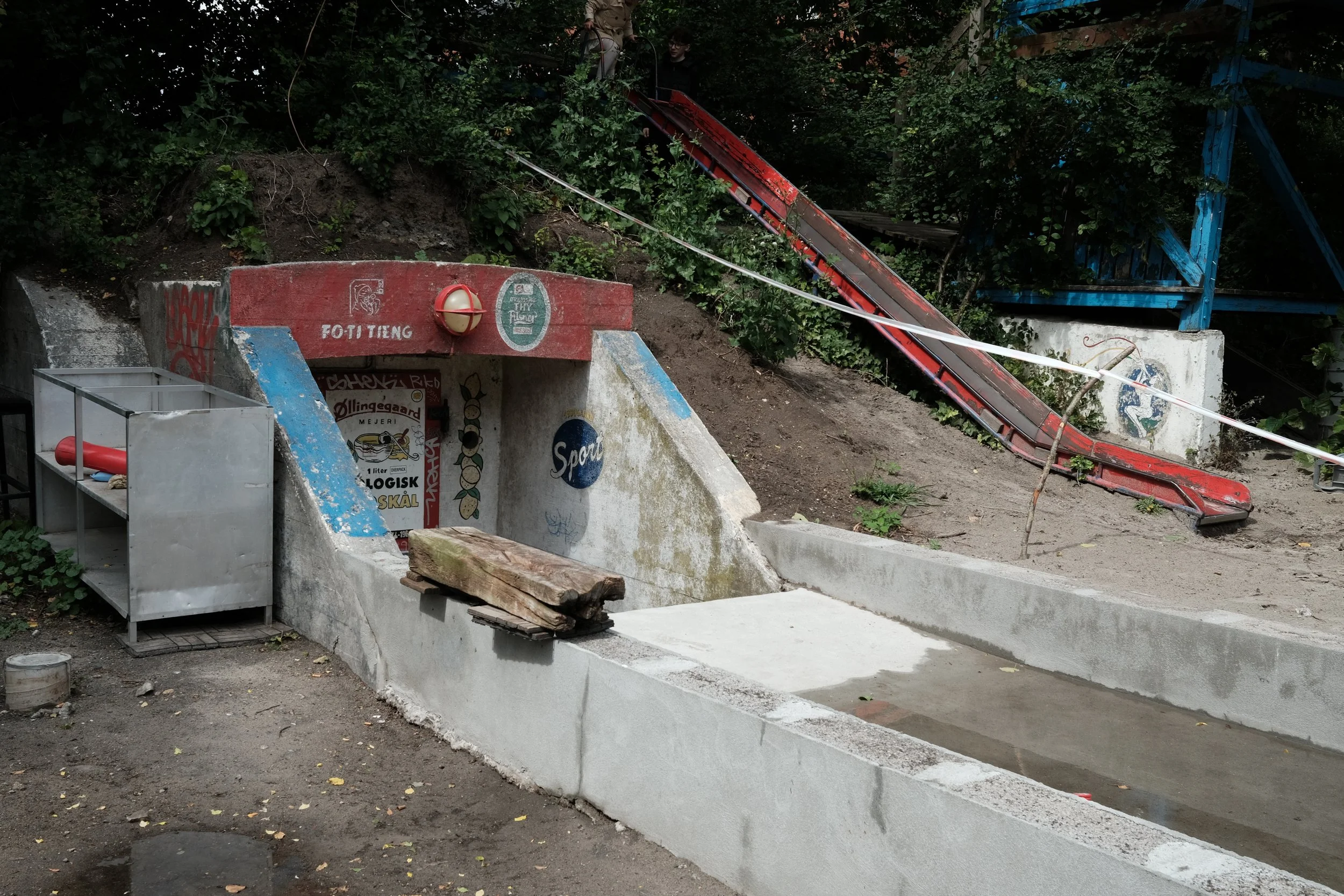
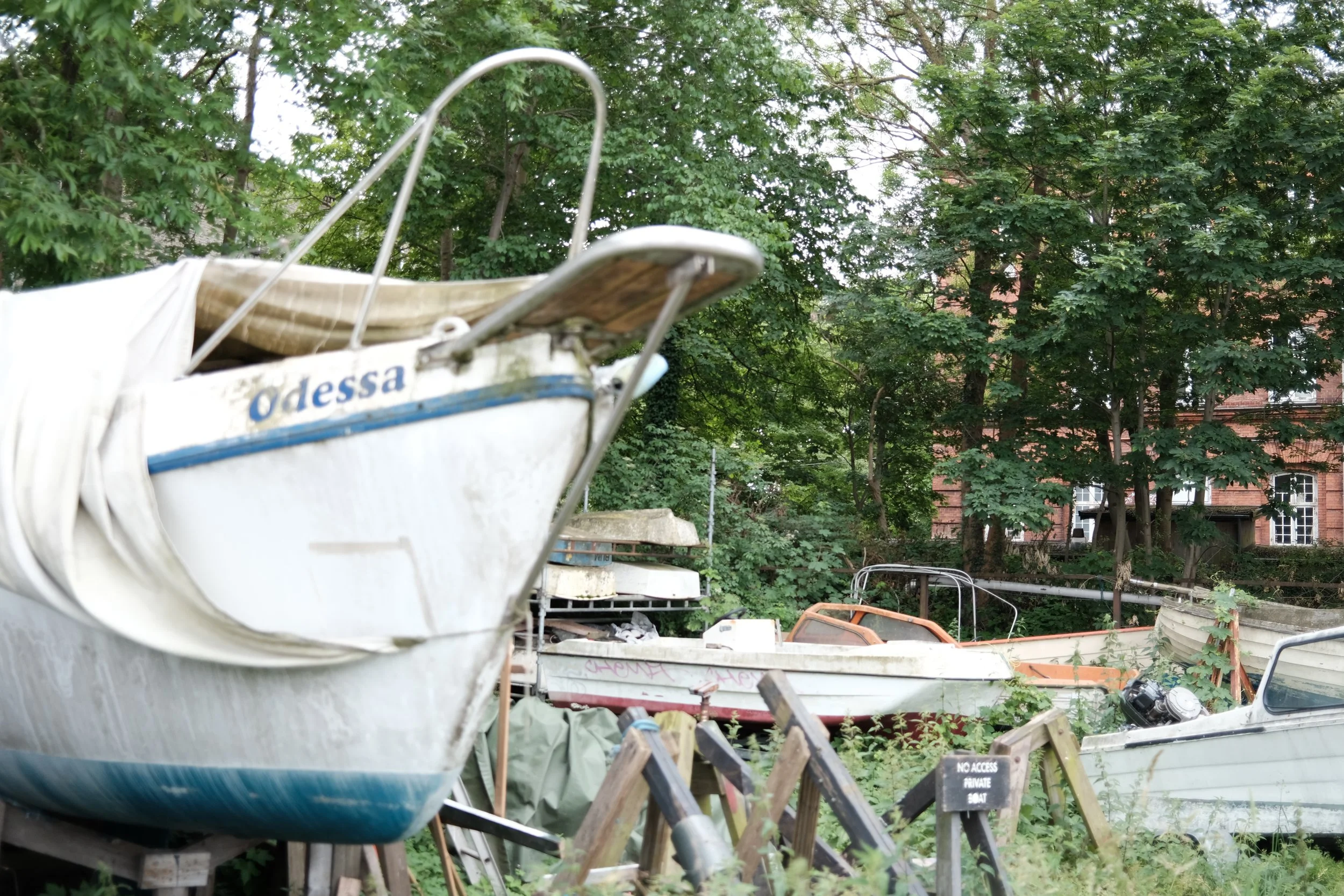
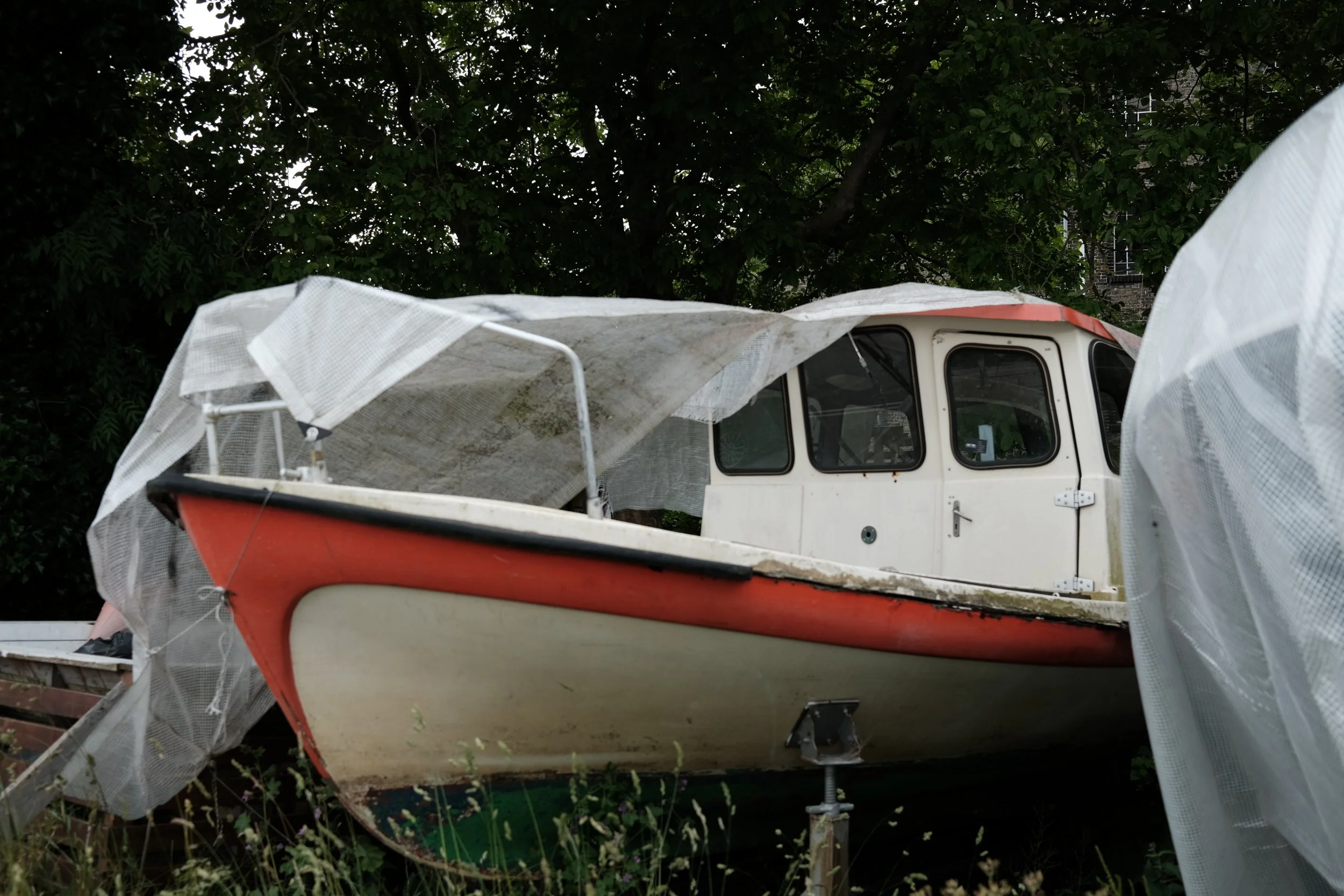
I met Benjamin 20+ years ago when he started dating my friend LAB.
LAB lived at The Flux in Williamsburg with—at any given time—7 to 10 roommates, including my friend Jason Smalls, who was a friend of mine from LA. I was at The Flux a lot because Jason and Morgan (HBIC), also from LA, would put the Lakers games on. Also they had an old Toyota Tercel hatchback that belonged to the house. Other than Morgan—whose name was on the car title—only Jason knew how to drive manual transmission i.e., stick shift so it was hardly ever used by the other roommates. Jason and I took lotta liberties with that car driving as far as East New York to cop weed.
Anyway, I digress. Benjamin moved into The Flux to live with LAB. Not long after, she got pregnant, and off they went to Benjamin’s home country of Denmark to have the baby and be parents. Benjamin got on with everyone at The Flux, and we too became friends. We all fucked with Benjamin. He was and remains a salt-of-the-earth kind, generous soul—there’s no one quite like him. More on Benjamin in a future popJellyNYC piece because not to talk about who he is would be a disservice to us all.
After LAB gave birth to their beautiful son, Kai, I flew to Copenhagen to visit and meet the baby. This was when they were living in Nørrebro. I stayed with them for, I think, more than two weeks. Not too many days into my stay, Benjamin’s mom, Annie, was kind enough to let me stay in the second bedroom of her modern, warm loft (it was January).
Benjamin and LAB lived on the top 7th floor of a classic residential karréer, where the shower/ wash room was in the building's basement—though my friends’ place did have a water closet in their actual flat. My hosts explained this when I asked if I could take a shower. Their perimeter block flat was built during the late 19th-century industrial building boom—roughly 1870–1910—when running water and indoor plumbing were minimal. There weren’t any private bathrooms built into these karréer apartments back then; residents used outhouses in the courtyard or relied on public bathhouses (badeanstalter) for bathing.
Mid-20th-century urban renewal plans faced a spatial problem: the apartments were too small to fit a dedicated bathroom inside the living quarters. To retrofit basic sanitation into the buildings without shrinking the already-cramped living rooms, they installed communal shower rooms (baderum) in the basements. Residents would head down to the basement with a towel and key, while toilets were often retrofitted as tiny shared closets out on the back staircase.
My sissy ass couldn’t handle the basement shower in January even though it was clean and well-equipped with hot water. So that’s was my first visit to Copenhagen…
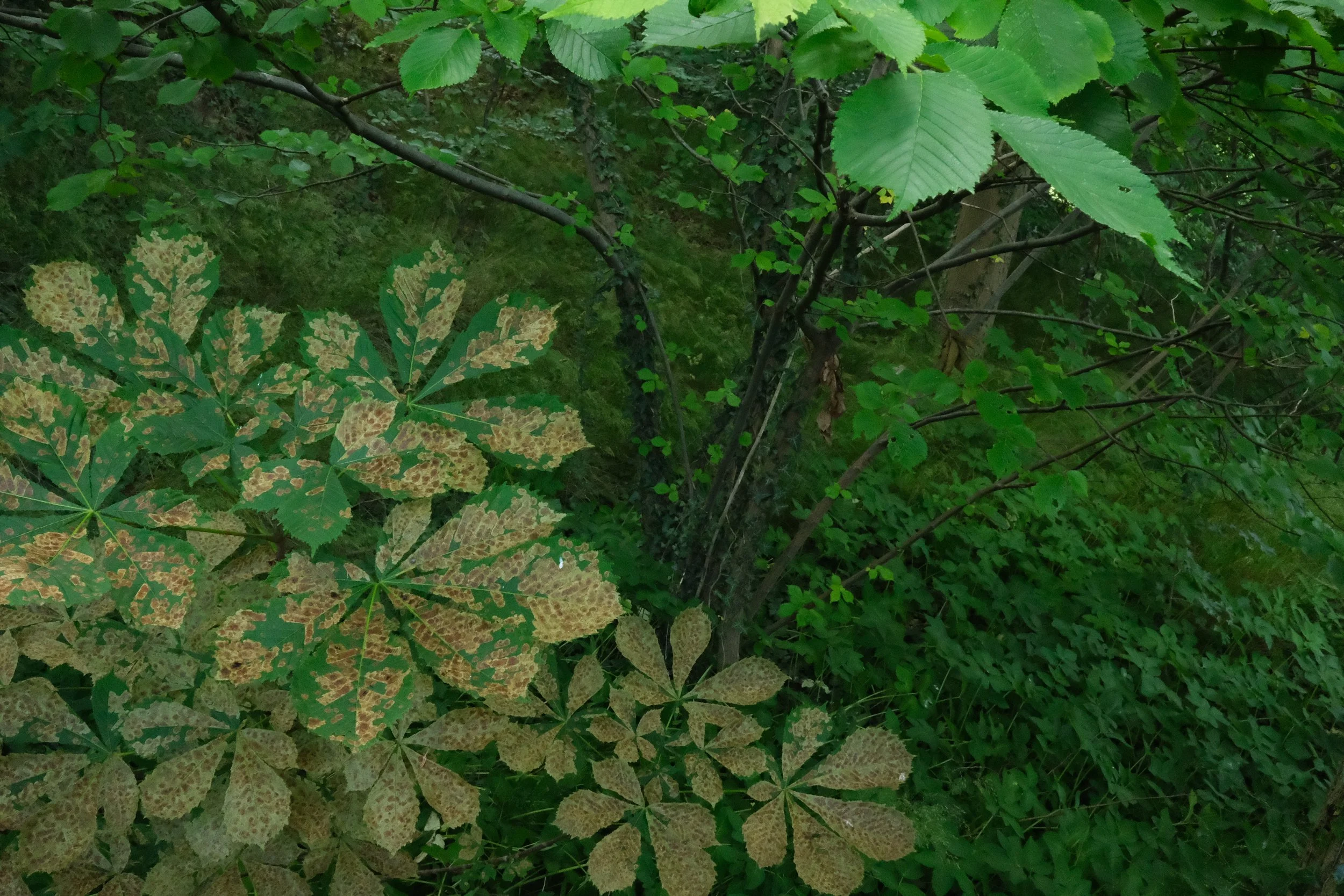
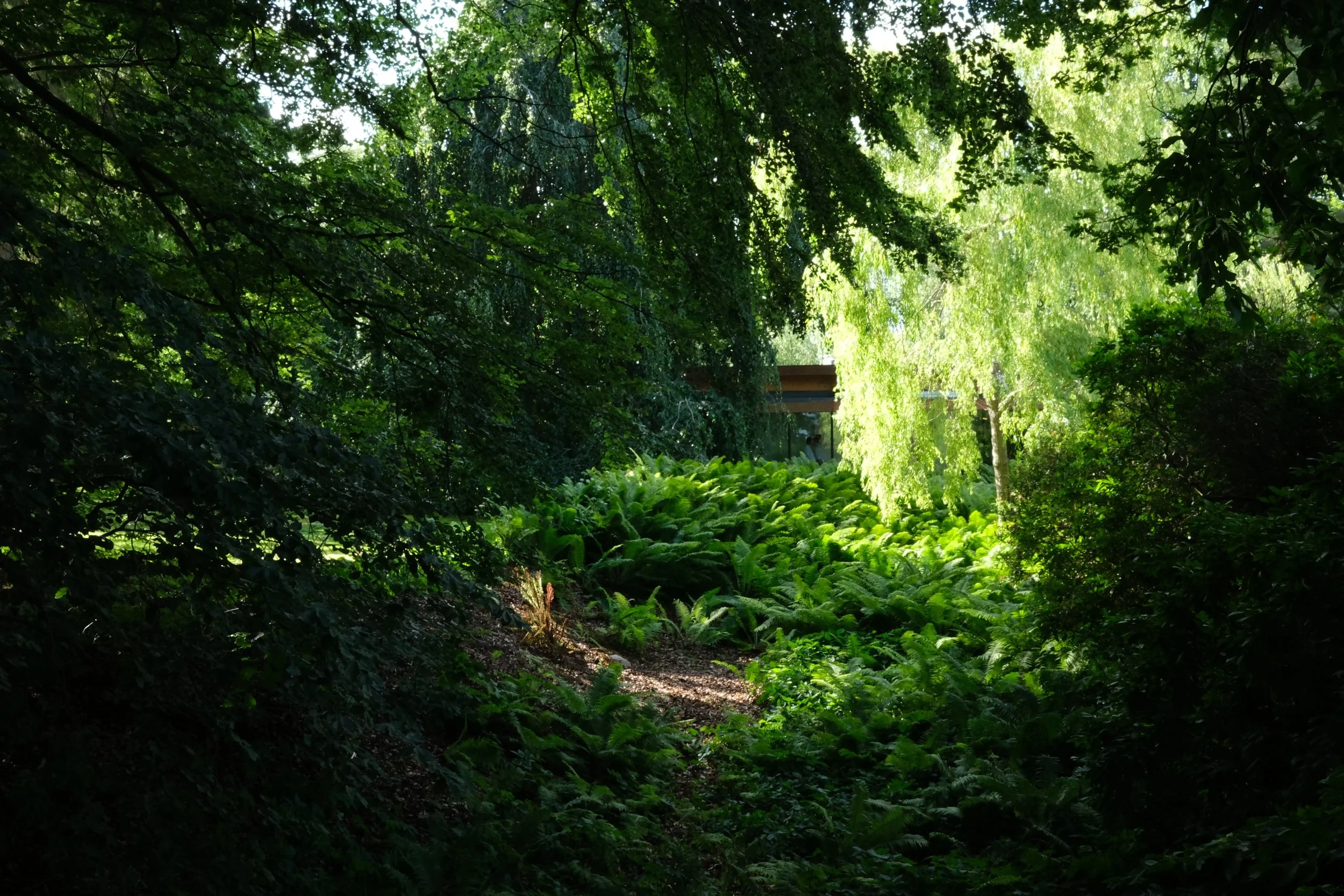
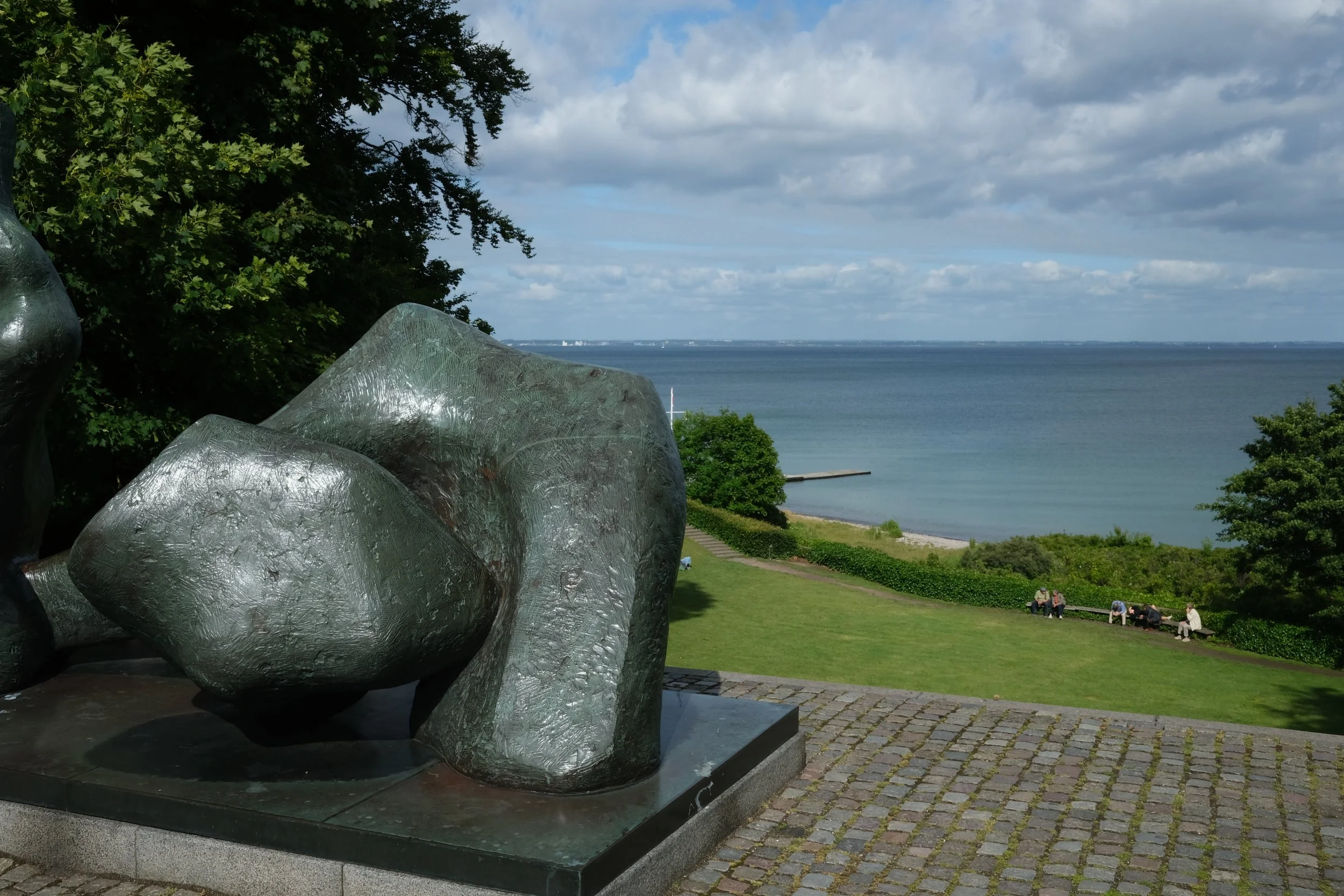
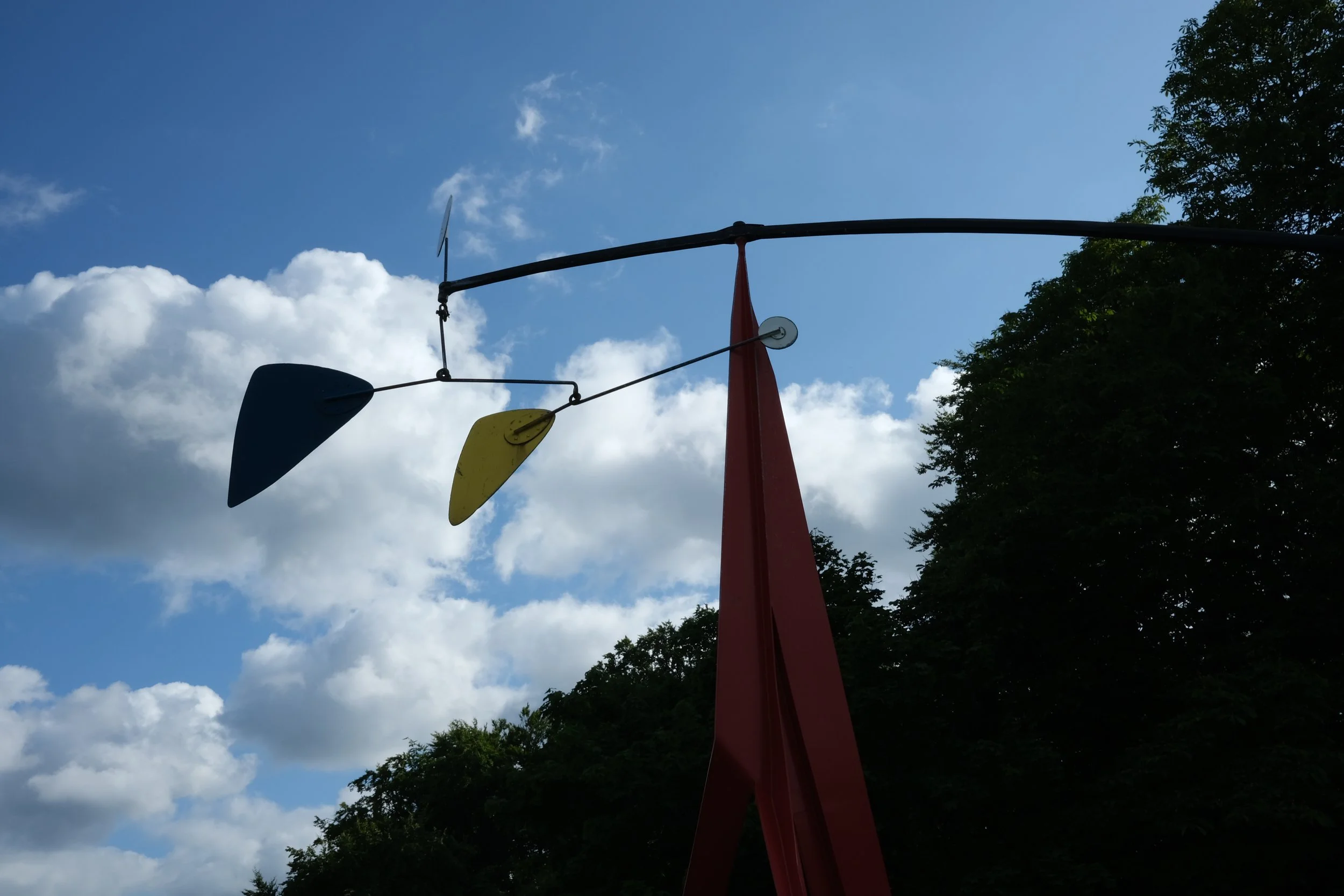
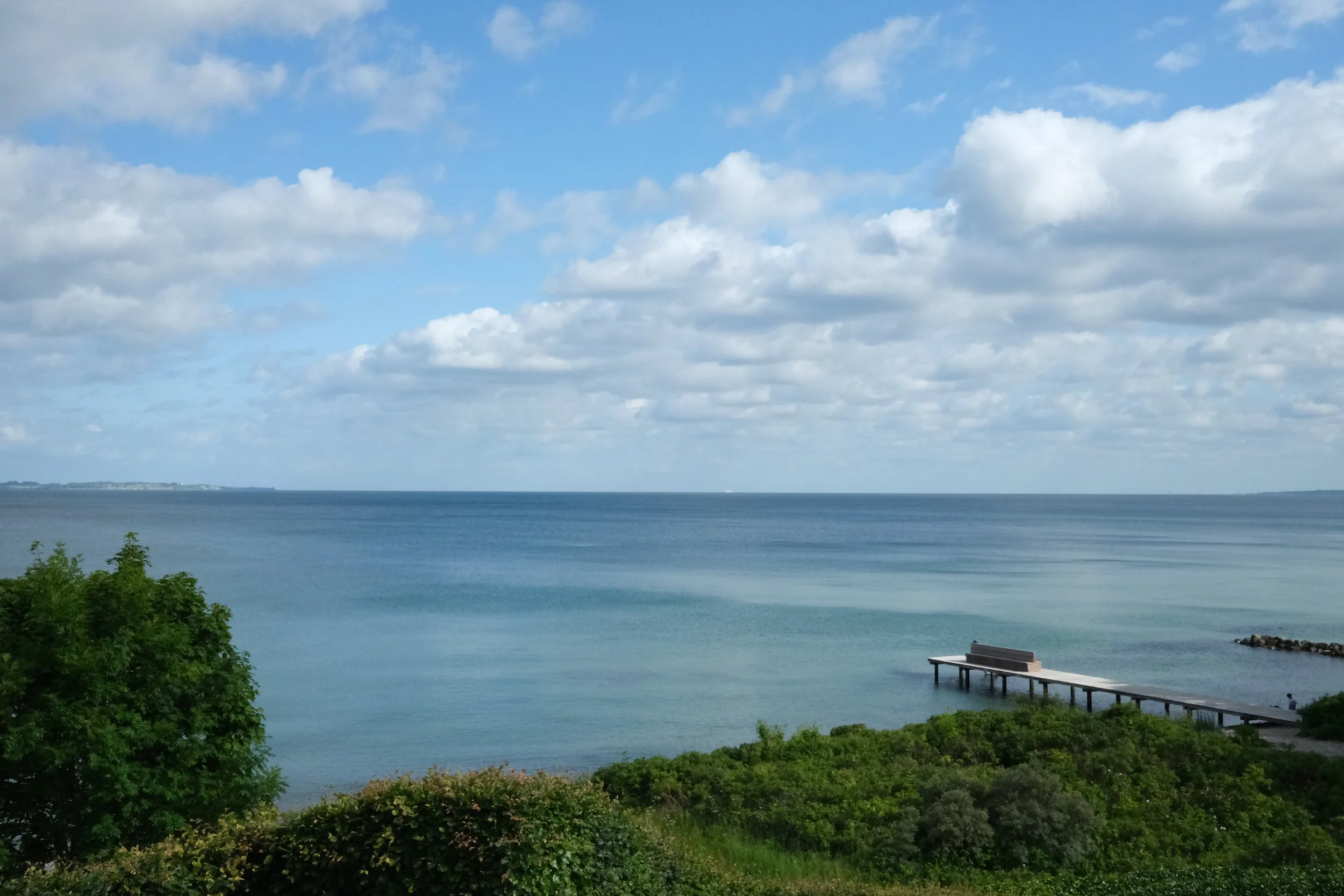
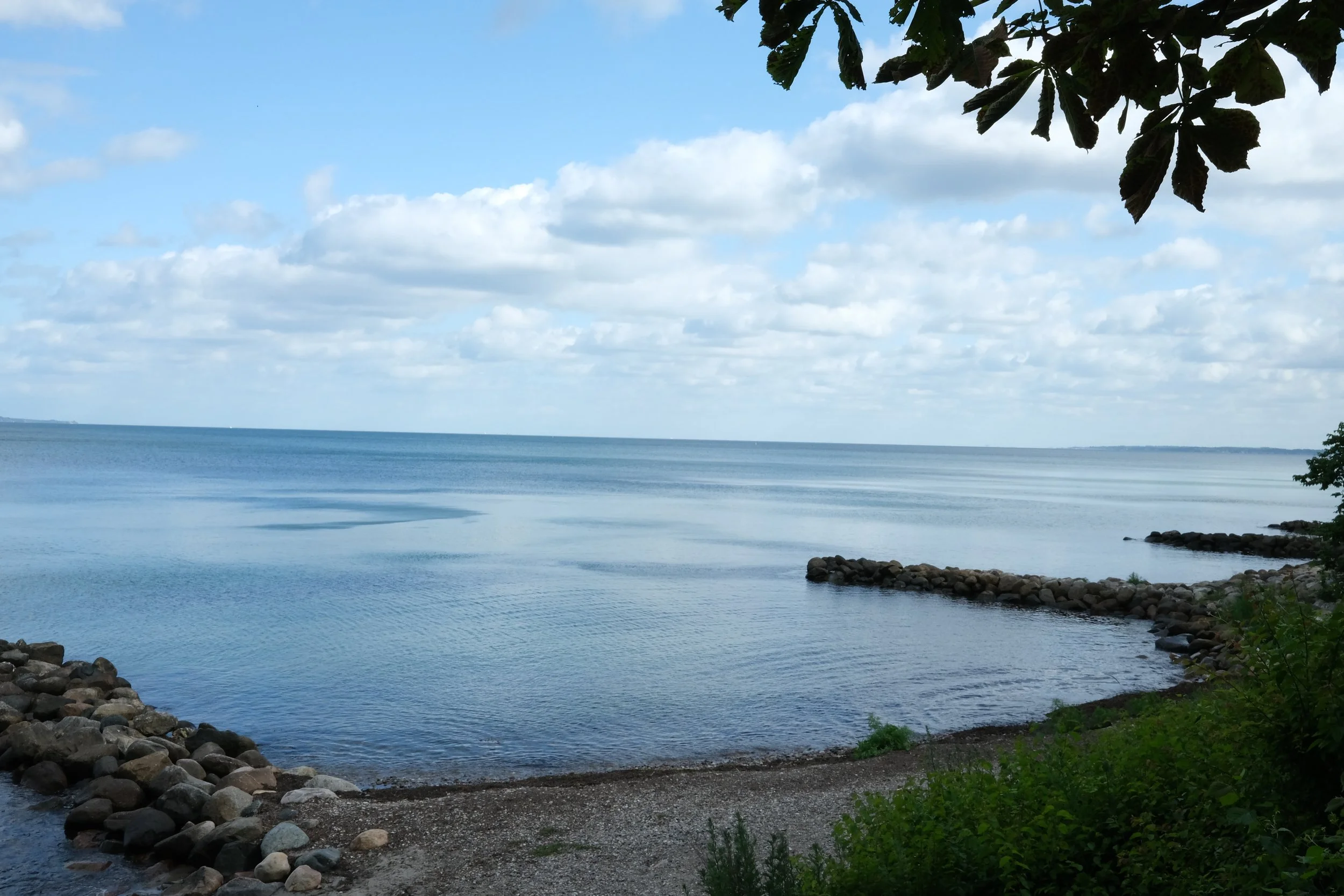
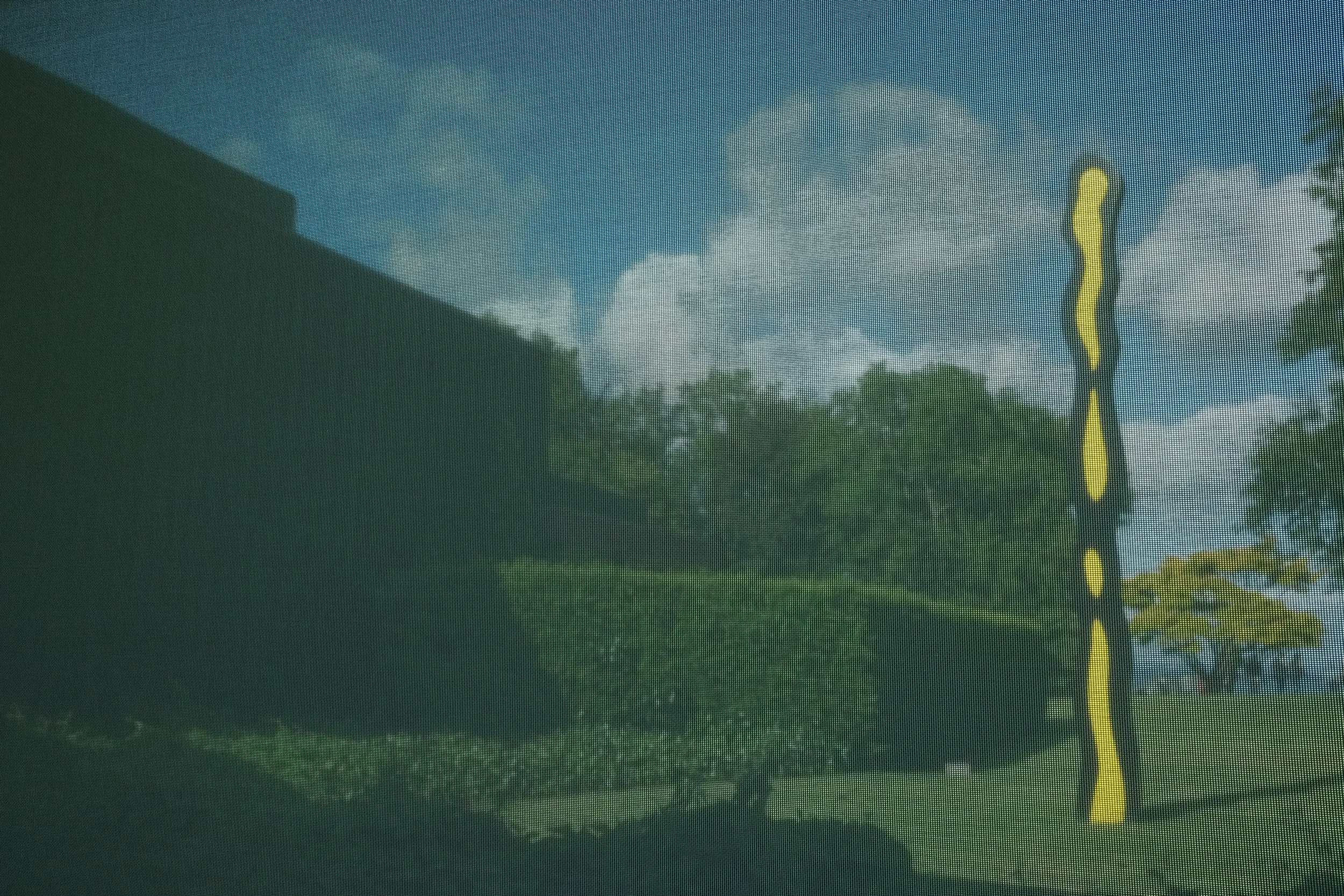
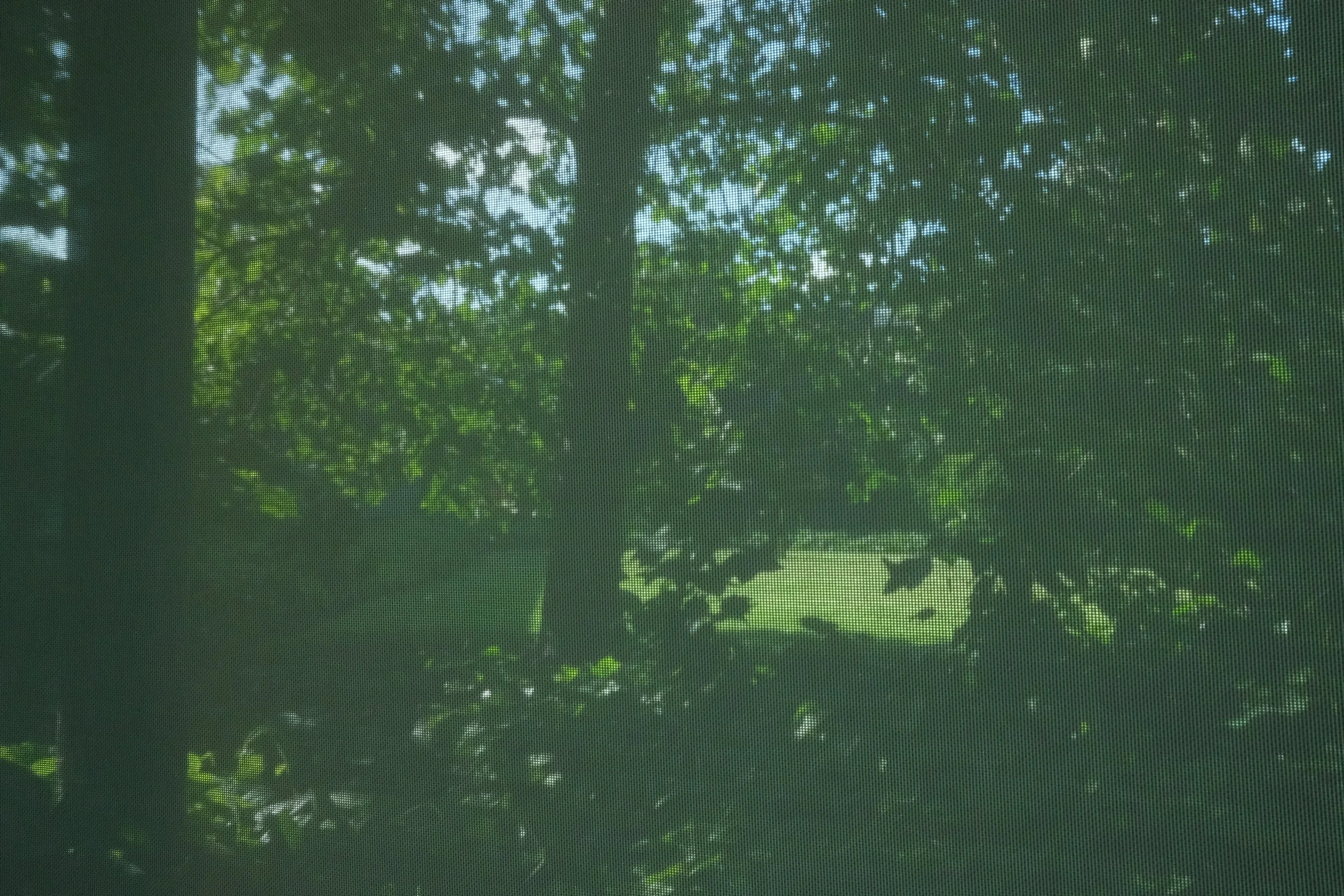
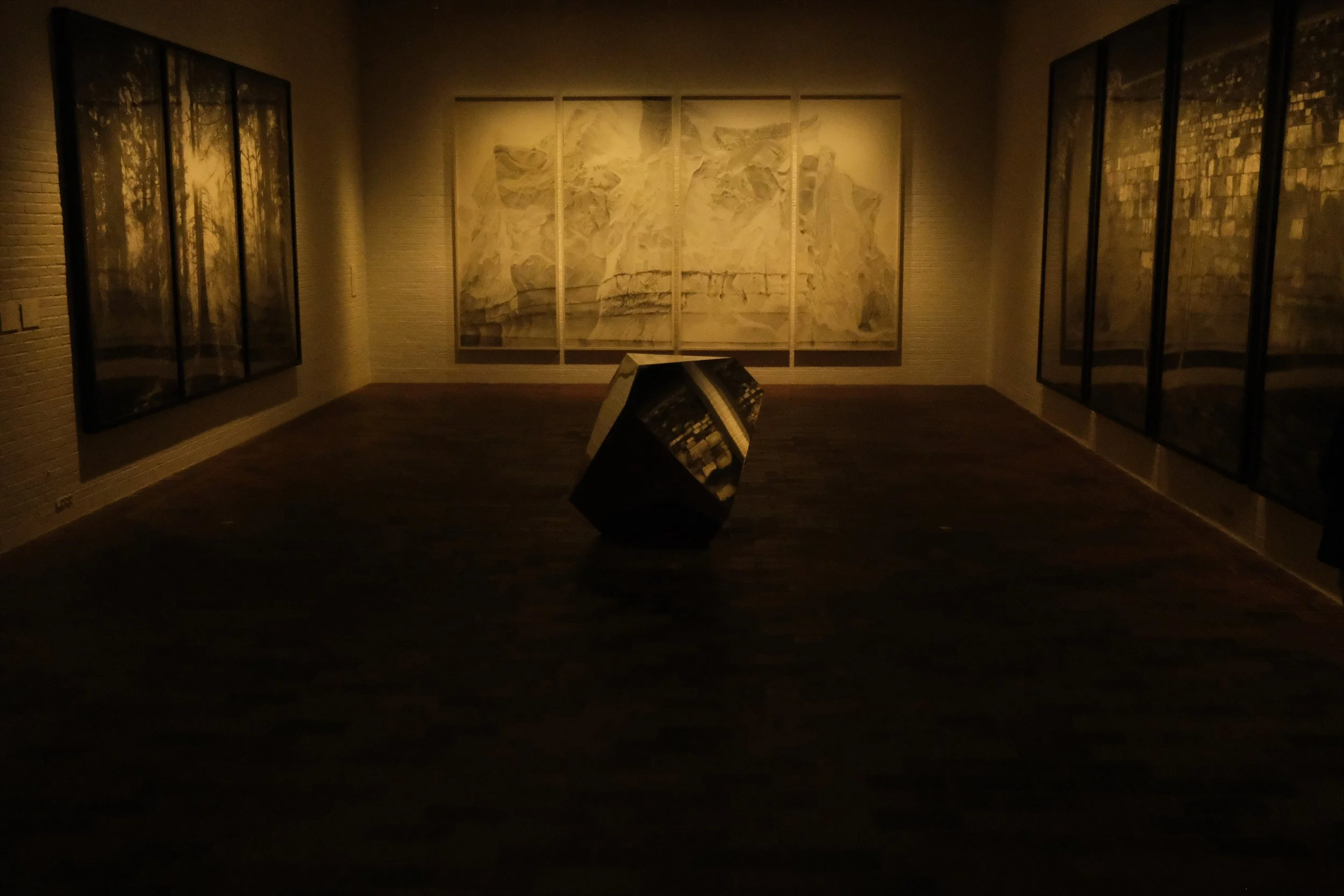
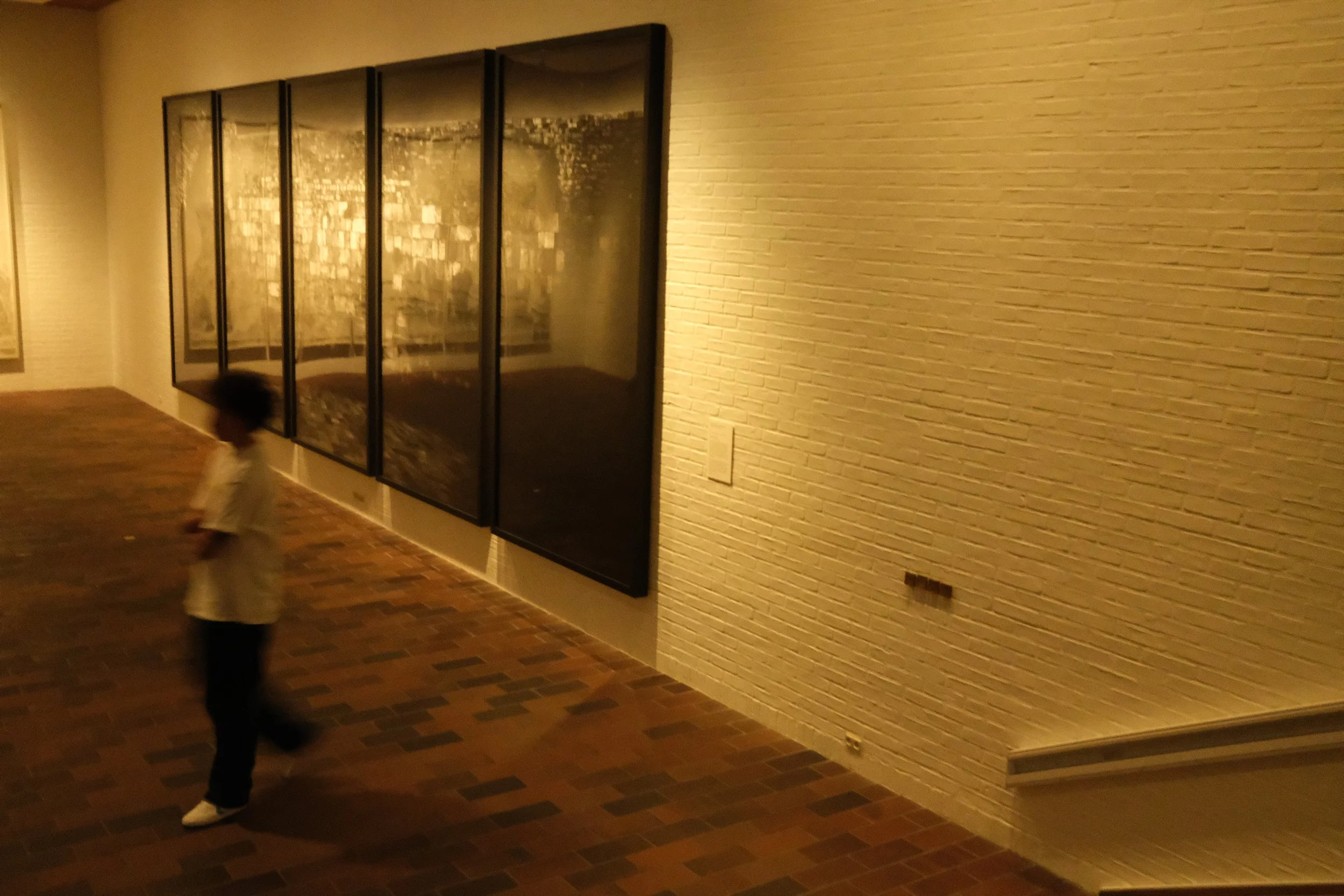
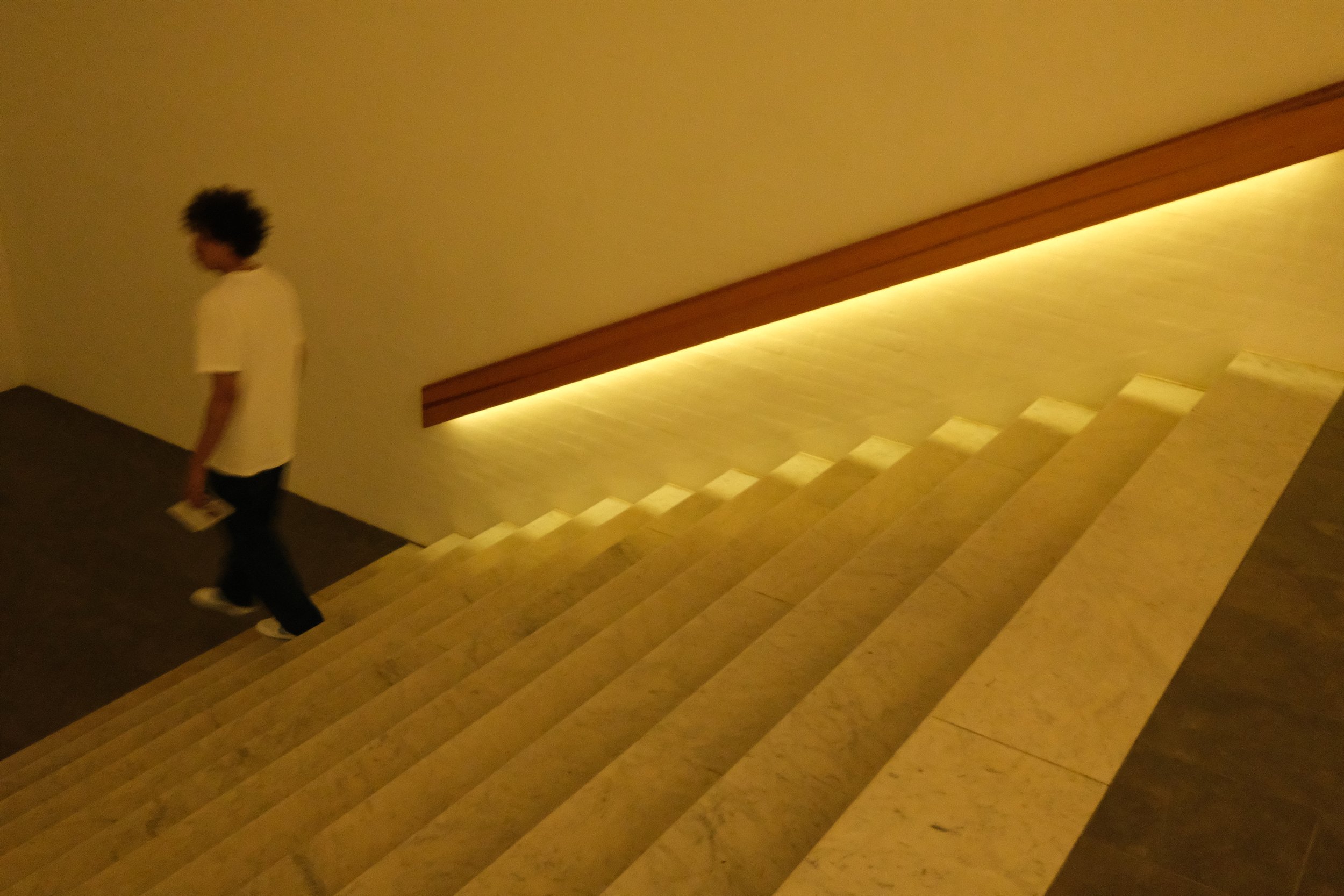
The Louisiana Museum of Modern Art is a magical place I remember from my last trip to Denmark. Its architecture quietly blends into the natural landscape along the Øresund (known in English as The Sound) and the lush gardens on the property. So I had to return.
Benjamin recommended a hole-in-the-wall Palestinian restaurant just in the outskirts of Assistens Cemetery was THE BEST eastern Mediterranean meal I’ve ever eaten, Deeply rooted in Levantine traditions, this cuisine is a kiss from the gods. Cooked in olive oil, with fresh herbs, earthy warm spices, grains, and seasonal produce. It relies on slow cooking, fire grilling, and rich layering of savory, tangy, and nutty flavors.
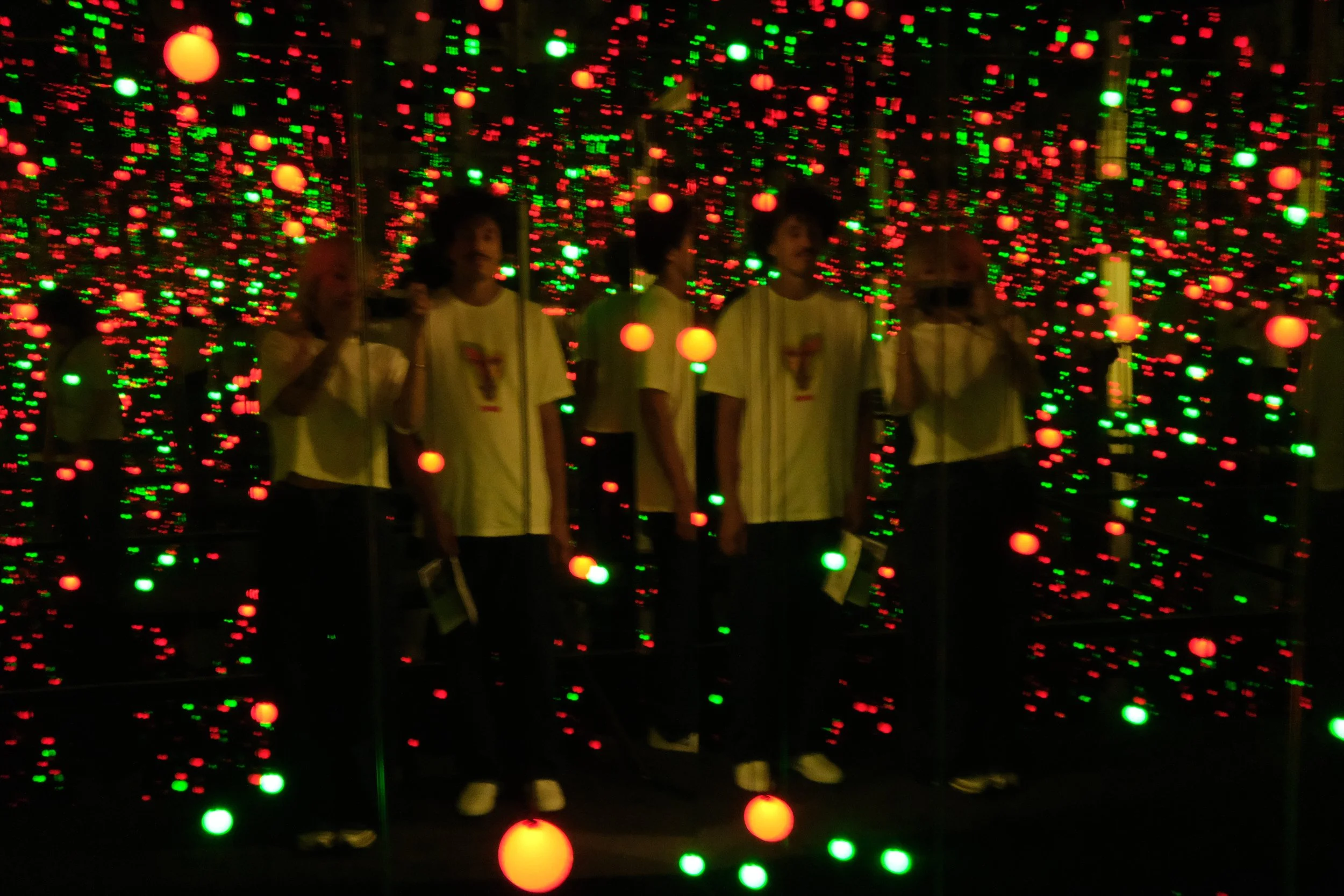
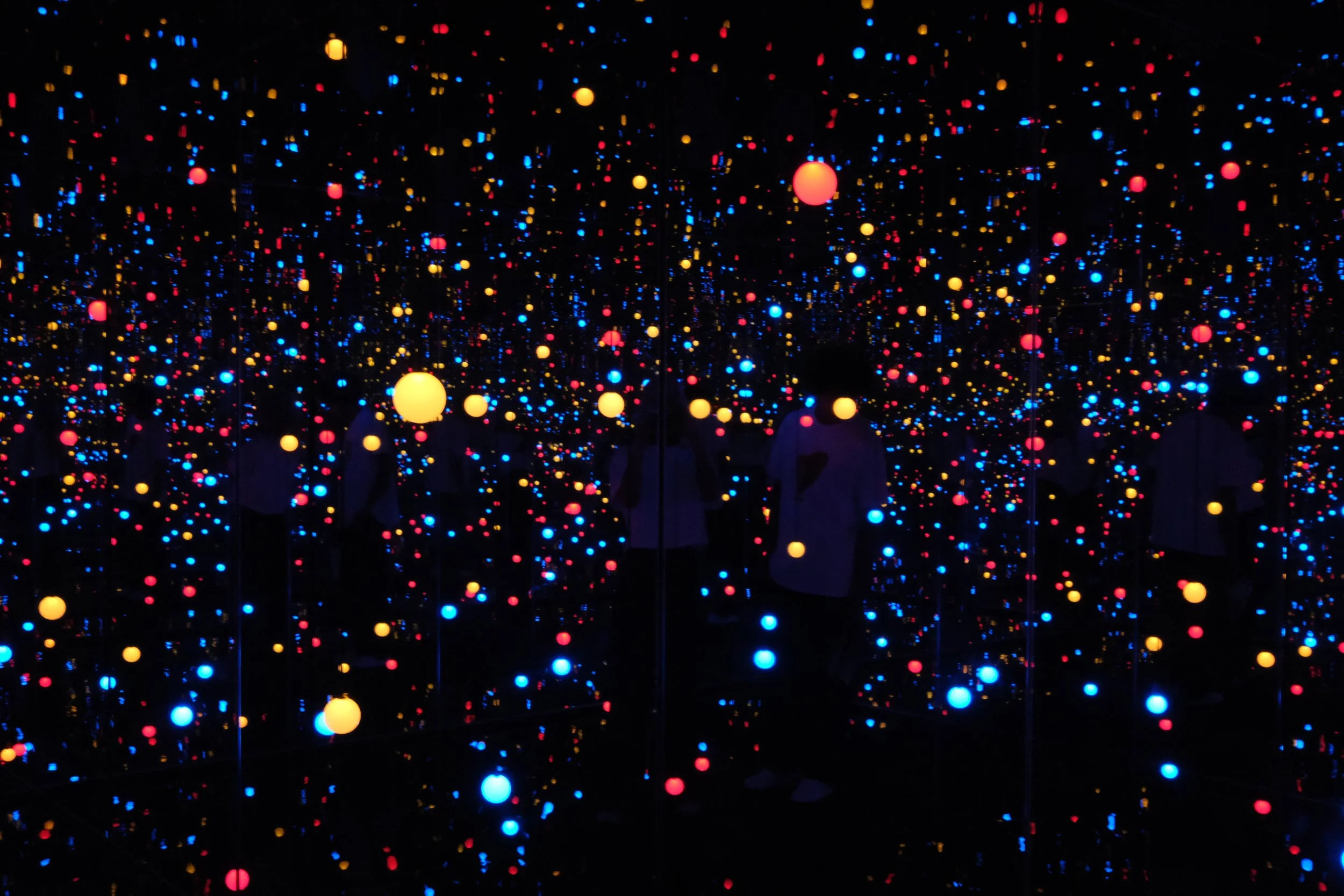
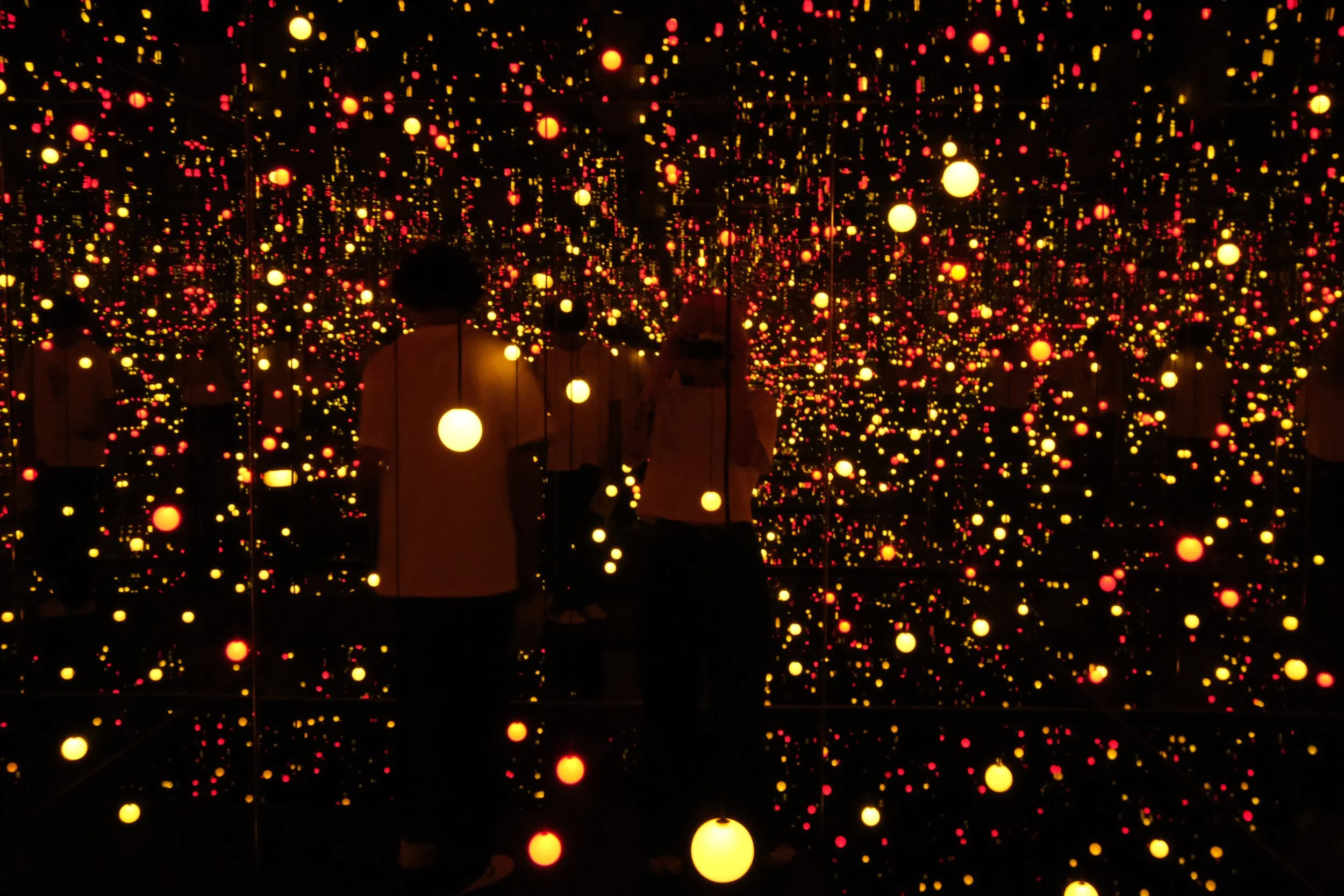
We were delightfully surprised that has a permanent Kusama installation: “Gleaming Lights of the Souls.” But like all good things, people generally ruin such experiences—even here.
It’s a 4-by-4-meter room lined entirely with mirrors. The floor is a shallow, reflecting pool of water with a small central platform where visitors stand. Overhead, 100 hanging bulbs gradually shift colors in a synchronized pulse, reflecting endlessly across the water and mirrors to create the illusion of infinite space.
Only two visitors are allowed inside at a time to ensure an intimate, immersive experience. No one obeyed the signs. It was a melee of idiots accidentally stepping into the shallow pool, screeching in shock, while bumping into each other.
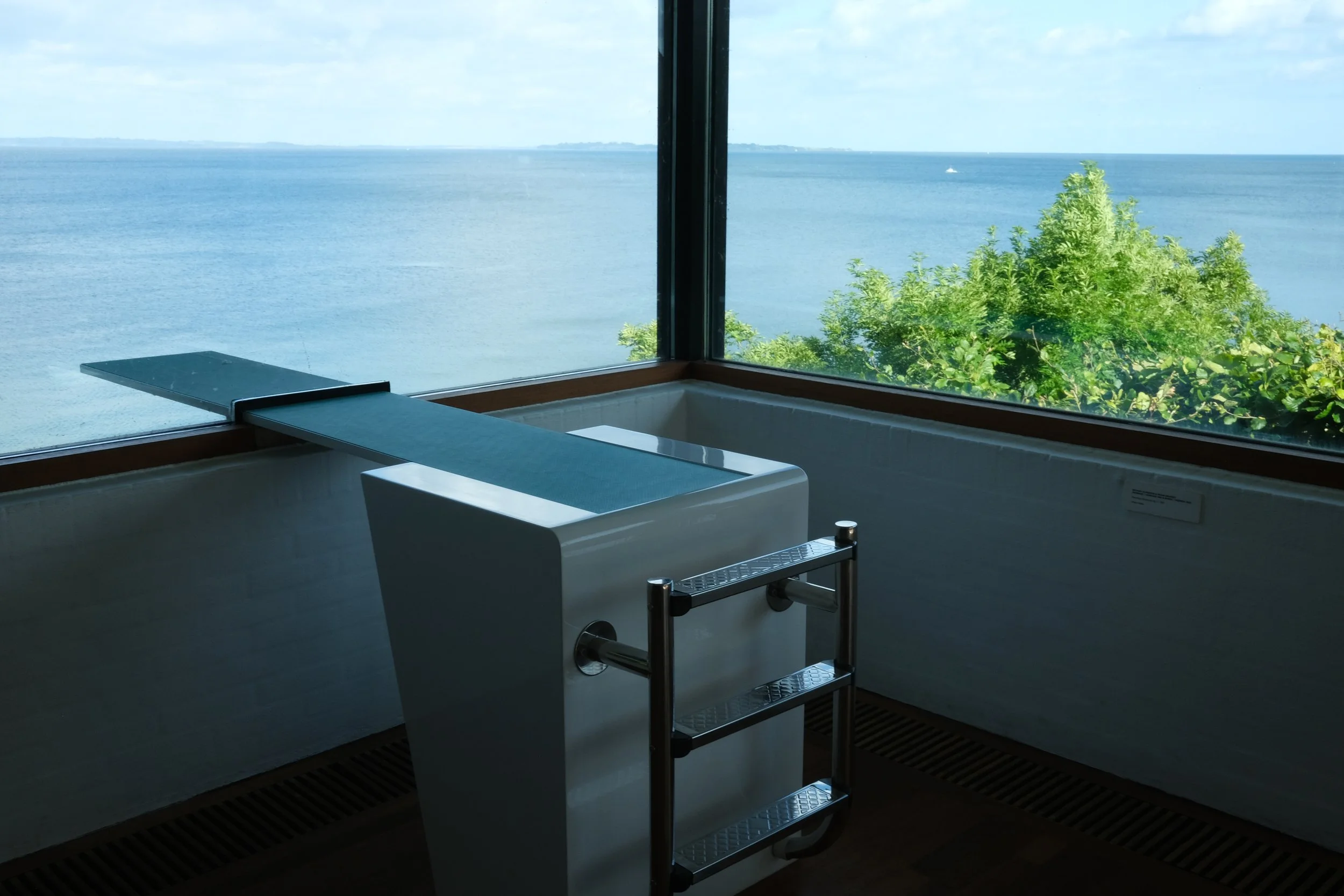
Below is a site-specific installation titled “Powerless Structures, Fig. 11,”created in 1997 by the Scandinavian artist duo Elmgreen & Dragset (Michael Elmgreen and Ingar Dragset). As you can see, the diving board extends out toward the panoramic floor-to-ceiling glass wall overlooking the Øresund Sound.
Rather than stopping before the glass, the diving board pierces directly through the windowpane. Half of the board hovers inside the gallery, while the outer half extends outdoors into thin air, pointing toward the sea.
I love art that takes a familiar object—in this case, associated with leisure and fun—and strips it of its utility. Such art questions the rules, behavior, and expectations enforced by snooty art institutions. It tempts the viewer's imagination to break through the rigid environment of the "white cube" gallery and leap into nature.
It physically bridges the boundary between the museum's interior architecture and the natural landscape outside—a core theme of Louisiana's overall architectural philosophy.
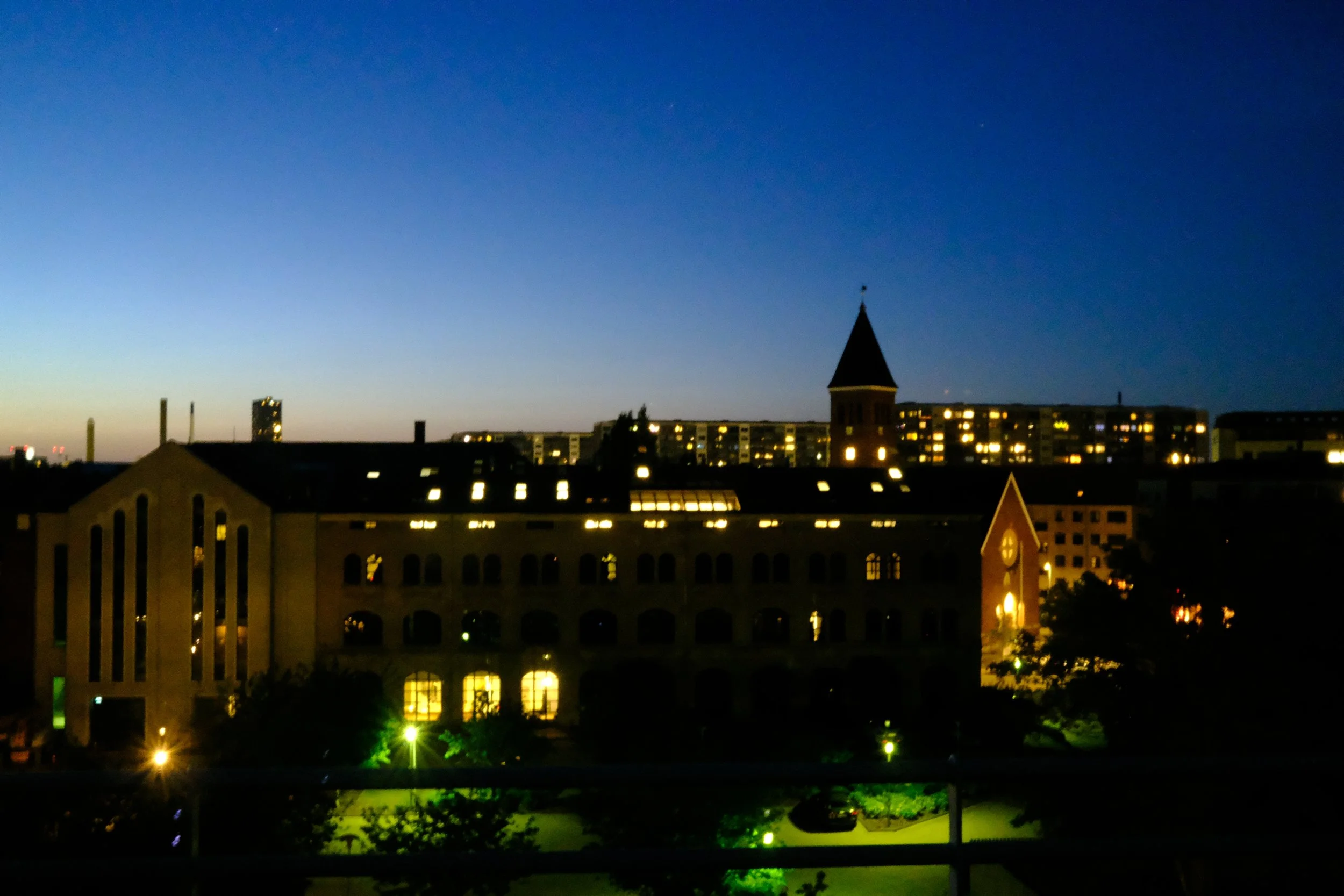
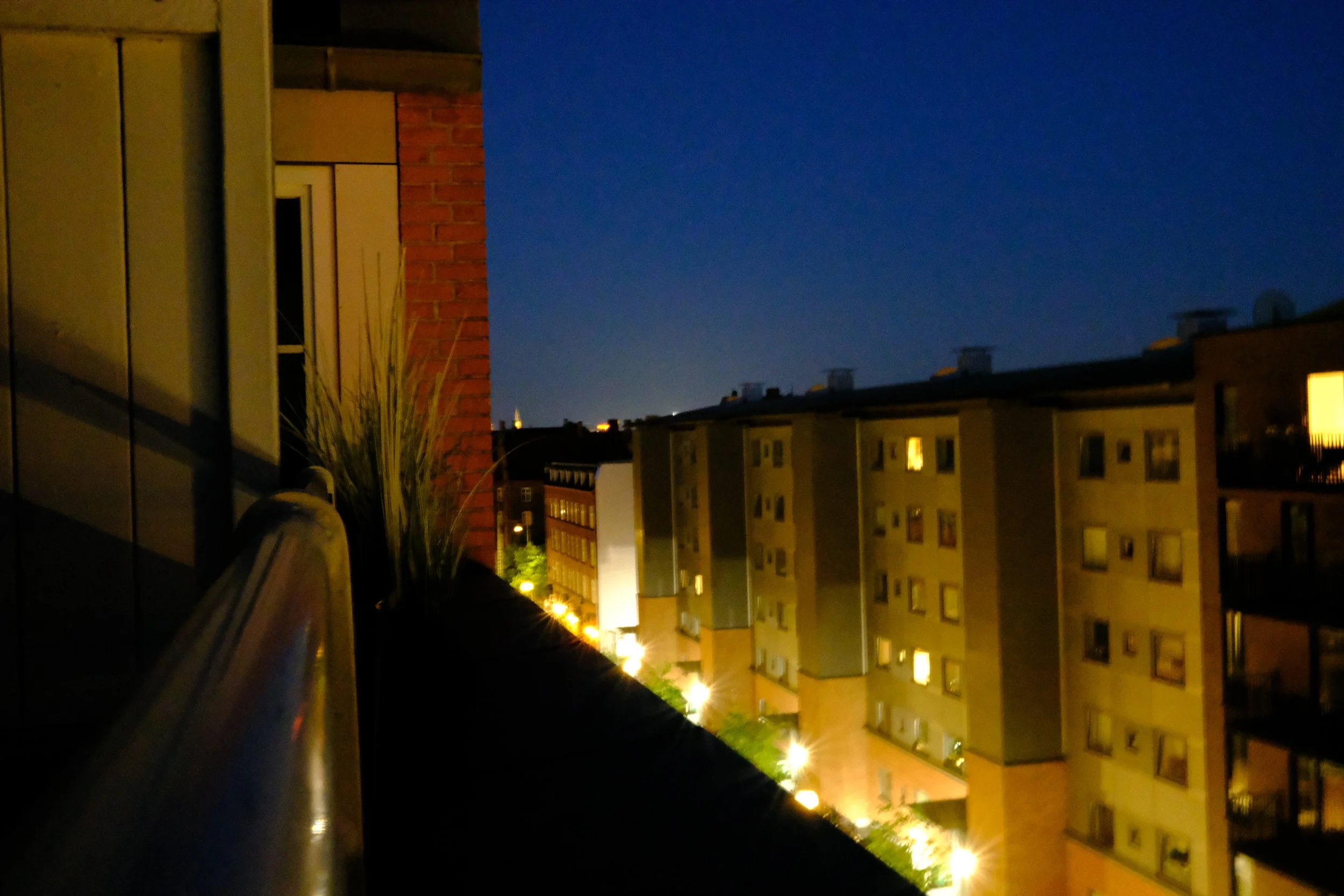
From dusk to dawn, Copenhagen’s summer light is a marvel. We spent much time out on the balcony of our flat being nosy and fascinated with the lit interiors of other domeciles.